
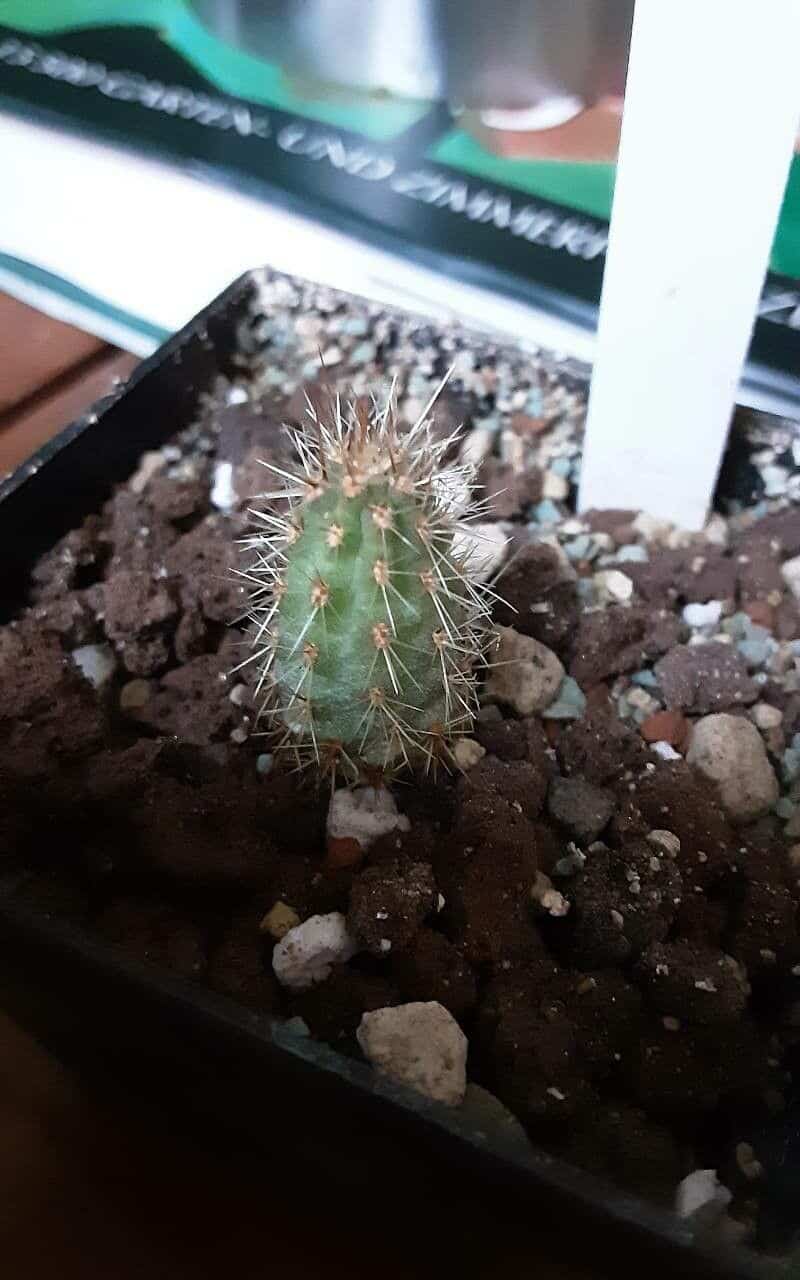
Raising a Rattail: Demystifying Cleistocactus Morawetzianus Propagation
Cleistocactus morawetzianus, affectionately known as the “Rattail Cactus” or “Golden Rat Tail,” is a truly captivating plant. Its long, cascading stems, covered in golden spines, add a whimsical charm to any sunny space. While admiring its unique beauty is a joy in itself, there’s a special satisfaction that comes with propagating and multiplying your own Rattail cacti.
This comprehensive guide delves into the fascinating world of Cleistocactus morawetzianus propagation. We’ll explore two popular methods, discuss the best time for propagation, and provide essential tips for success.
Two Paths to Propagation: Seeds vs. Cuttings
1. Seeds:
Propagating Cleistocactus morawetzianus from seeds is a rewarding experience, albeit a test of patience. Here’s what you’ll need:
- Fresh seeds: Source your seeds from reputable suppliers for optimal germination rates.
- Seed-starting mix: Use a well-draining mix formulated for cacti and succulents.
- Shallow tray or pot: Ensure adequate drainage holes are present.
- Warmth: A consistent temperature of 70-75°F (21-24°C) is ideal.
- Humidity dome or plastic wrap: To create a warm, humid environment.
Steps:
- Sprinkle the seeds evenly over the moist seed-starting mix, pressing them lightly.
- Cover the tray/pot with a humidity dome or plastic wrap to retain moisture.
- Place in a warm, bright location, out of direct sunlight.
- Mist the soil surface regularly, ensuring it doesn’t completely dry out.
- Germination can take several weeks or even months. Be patient!
- Once seedlings are large enough to handle, carefully transplant them into individual pots.
2. Cuttings:
Taking cuttings is a faster method, yielding quicker results:
- Sharp, sterile knife or shears: Prevents infection and ensures clean cuts.
- Rubbing alcohol: Sterilize your cutting tools.
- Well-draining potting mix: Same as for seeds.
- Small pots (2-3 inches): For individual cuttings.
- Rooting hormone (optional): Can encourage faster root development.
Steps:
- Choose a healthy stem and make a clean cut at a 45-degree angle.
- Allow the cut end to callus over for a few days to a week in a warm, dry location.
- (Optional) Dip the callused end in rooting hormone.
- Plant the cutting in the prepared pot, burying it about an inch deep.
- Water sparingly and provide bright, indirect sunlight.
- New growth indicates successful rooting.
When to Propagate: Timing is Key
The best time for Cleistocactus morawetzianus propagation is during its active growing season, which typically falls during spring and early summer. Avoid propagating in winter when the plant is dormant.
Tips for Successful Propagation:
- Patience is paramount: Propagation takes time. Don’t be discouraged if you don’t see results instantly.
- Light, but not too much: Bright, indirect sunlight is ideal for both seeds and cuttings.
- Less is more when it comes to watering: Overwatering is the biggest enemy. Allow the soil to dry out completely between waterings.
- Good air circulation is essential: This helps prevent rot and fungal diseases.
Reap the Rewards:
Propagating your Cleistocactus morawetzianus is a rewarding experience. It allows you to expand your plant family, share your love for this unique species with others, and cultivate even more of its captivating, whimsical beauty. So, grab your gardening tools, choose your method, and embark on your Rattail cactus propagation journey!