
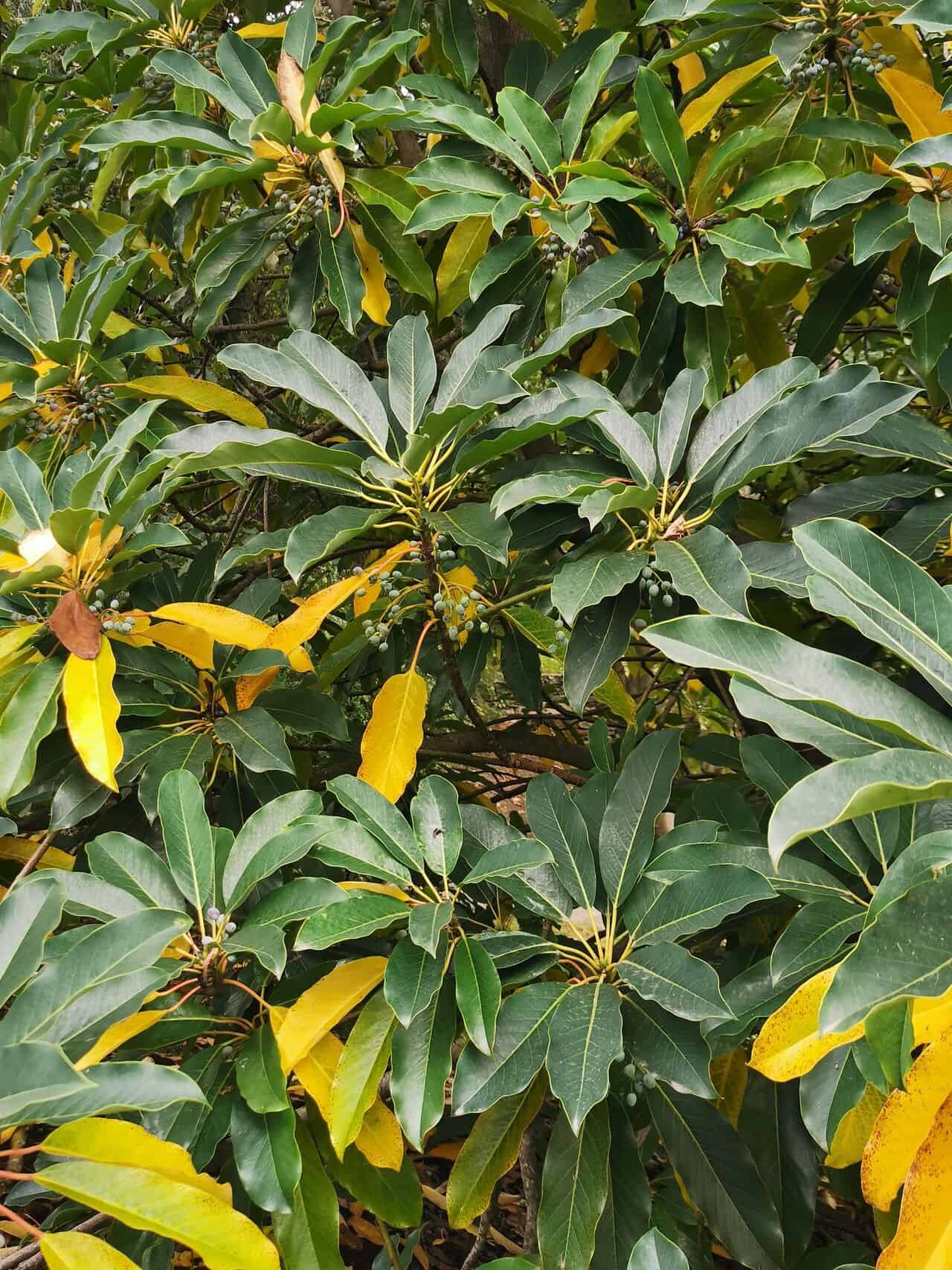
Unlocking the Secrets: How to Propagate Daphniphyllum macropodum
Daphniphyllum macropodum, also known as the “Umbrella Plant” or “Leatherleaf”, is an intriguing evergreen shrub cherished for its striking, large, leathery leaves that resemble those of a rhododendron. Native to Japan and China, this shade-loving beauty adds a touch of the Orient to gardens worldwide. While obtaining this unique plant might require a specialist nursery, the reward of successfully propagating your own Daphniphyllum is deeply satisfying. Here we delve into the techniques to master this rewarding, albeit slightly challenging, process.
Two Primary Paths: Seeds and Cuttings
Daphniphyllum macropodum can be propagated through seeds and semi-hardwood cuttings, each with its unique set of advantages and complexities.
1. The Art of Seed Propagation
While achievable, propagating Daphniphyllum macropodum from seed requires patience, as the seeds exhibit slow germination rates and the overall process can be lengthy. Here’s a step-by-step guide:
- Seed Collection: Collect mature seeds from ripe fruits in autumn. The fruits are small, fleshy, and turn black when ripe.
- Seed Treatment: Daphniphyllum seeds benefit from a period of cold stratification to break dormancy. Store the cleaned seeds in a moist paper towel inside a sealed plastic bag in the refrigerator for 6-8 weeks.
- Sowing: After stratification, sow the seeds in a well-draining seed starting mix. Gently press the seeds into the surface and cover lightly with the mix.
- Patience is Key: Maintain consistent moisture and place the seed tray in a warm, brightly lit location, out of direct sunlight. Germination can take several months, so don’t be discouraged if you don’t see results immediately.
- Transplanting: Once seedlings develop a few true leaves, carefully transplant them into individual pots filled with a well-draining potting mix.
2. Mastering Semi-Hardwood Cuttings
Propagating Daphniphyllum macropodum using semi-hardwood cuttings offers a faster method than seeds but demands precise timing and technique.
- Timing is Everything: The best time to take cuttings is in late summer or early autumn when the plant’s new growth has begun to harden.
- Choosing the Right Material: Select healthy, non-flowering stems that are approximately 4-6 inches long. Look for stems with a mix of old and new growth.
- Creating the Cutting: Using a sharp, sterilized knife or pruning shears, make a clean cut just below a node (where the leaf attaches to the stem). Remove the lower leaves, leaving only a couple of leaves at the top.
- Encouraging Root Development: Dip the cut end of the stem in rooting hormone powder to stimulate root growth. Plant the cuttings in a pot filled with a well-draining, sterile potting mix.
- Creating the Ideal Environment: Cover the pot with a plastic bag or humidity dome to maintain humidity. Place the cutting in a warm, bright location, out of direct sunlight.
- Patience and Observation: Keep the soil consistently moist but not waterlogged. Rooting can take several weeks. Once the cuttings show new growth, you can gradually acclimate them to normal humidity levels.
Essential Tips for Success
- Well-Draining Soil: Daphniphyllum macropodum prefers moist, well-drained soil that is slightly acidic.
- Partial Shade is Best: This plant thrives in shaded areas and can tolerate deep shade. Avoid direct sunlight, which can scorch the leaves.
- Be Patient: Propagating Daphniphyllum macropodum requires patience and care. Don’t be discouraged if it takes time for your chosen method to yield results.
Whether you choose to embark on the journey of propagating Daphniphyllum macropodum from seed or cuttings, the reward of nurturing a new plant from scratch is a fulfilling experience. With patience and diligent care, you can successfully propagate this stunning specimen and enjoy the unique beauty it brings to your garden for years to come.