
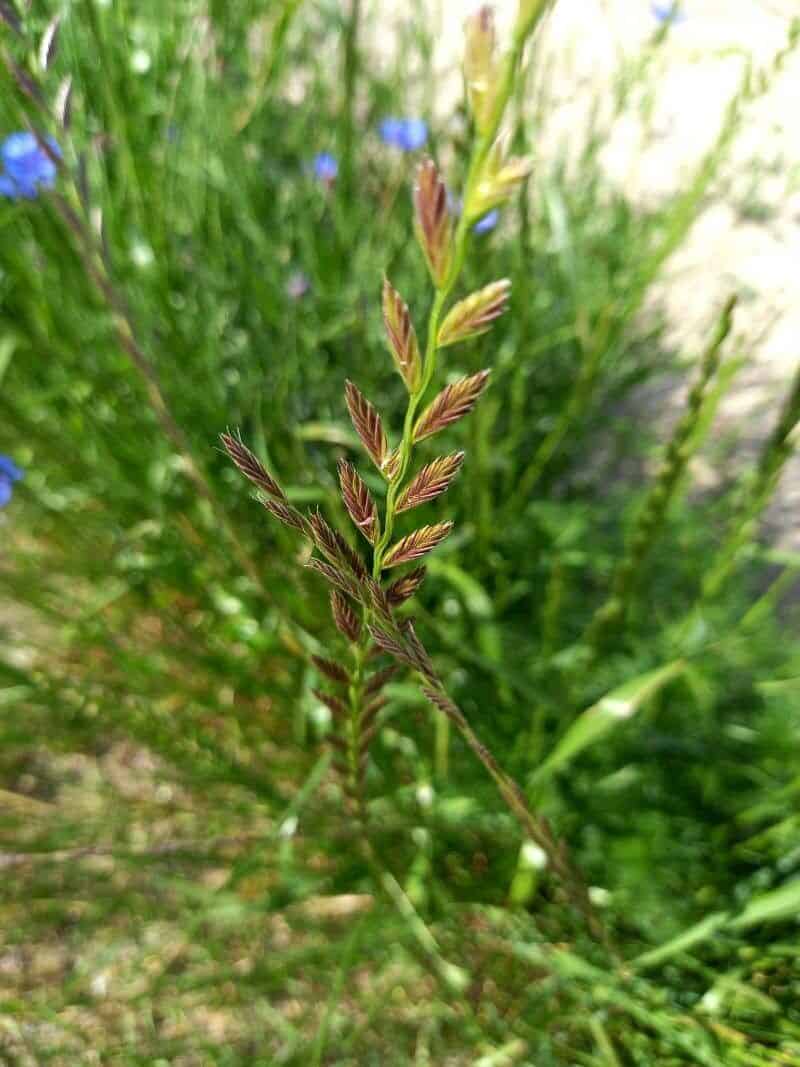
Seeding Success: A Simple Guide to Propagating Italian Ryegrass (Lolium multiflorum)
Italian ryegrass (Lolium multiflorum) is a versatile and fast-growing grass prized by gardeners and farmers alike. Whether you want to establish a temporary lawn, provide quick cover for erosion control, or offer nutritious forage for livestock, Italian ryegrass is an excellent option. The key to success? Understanding its simple propagation techniques!
Why Choose Seed Propagation?
While some grasses can be propagated through division, Italian ryegrass is best established from seed. This method is:
- Cost-effective: Seeds are generally more affordable than mature plants.
- Simple: Sowing seeds requires minimal effort and specialized knowledge.
- Produces a Uniform Stand: Seeding allows you to achieve an even distribution of plants.
Timing is Everything:
Knowing when to sow your Italian ryegrass seeds significantly impacts germination and establishment.
- Spring Sowing (For Cooler Climates): In regions with cooler temperatures, sow seeds in early spring, as soon as the ground can be worked. This allows the grass to establish itself before the heat of summer arrives.
- Fall Sowing (For Warmer Climates): In areas with milder winters, a fall sowing is ideal. The cooler temperatures and potential for increased rainfall favor strong root development before the following summer.
Preparing for Success: Site Preparation and Sowing
Proper site preparation ensures your Italian ryegrass seeds germinate quickly and thrive.
- Site Selection: Choose a sunny or partially shaded location. While adaptable to various soil types, Italian ryegrass prefers well-drained soil.
- Soil Preparation: Remove any existing weeds or debris from the area. Loosen the soil to a depth of 4-6 inches using a garden fork or tiller. This improves drainage and allows the roots to easily penetrate the ground.
- Sowing the Seeds: For a dense lawn, sow seeds at a rate of 1/4 to 1/2 pound per 1,000 square feet. Scatter seeds evenly over the prepared soil.
- Light Covering: Gently rake the area to cover the seeds with a thin layer of soil, about 1/4 inch deep. This prevents the seeds from drying out and being blown away.
- Watering: Water the area thoroughly but gently, using a sprinkler with a fine spray to avoid dislodging the seeds. Keep the soil consistently moist until the seedlings emerge.
Nurturing Growth: Maintenance Tips
- Watering: Once established, Italian ryegrass is relatively drought-tolerant. However, regular watering during periods of dry weather will promote healthy growth.
- Fertilizer: While not always necessary, a light application of nitrogen-rich fertilizer in early spring can enhance the color and vigor of your Italian ryegrass.
- Mowing: Regular mowing at a height of 2-3 inches will help maintain a dense and attractive appearance.
Troubleshooting:
- Poor Germination: This could be due to several factors, including insufficient watering, deep planting, or poor seed quality. Ensure consistent moisture, proper sowing depth, and use fresh seeds.
- Yellowing Leaves: This can indicate nutrient deficiencies, particularly nitrogen. Apply a balanced fertilizer according to the package instructions.
With these simple techniques, you can successfully propagate Italian ryegrass and reap the rewards of this versatile and attractive grass. Whether you’re a seasoned gardener or a novice, Italian ryegrass offers quick establishment, low maintenance, and multiple applications for a truly satisfying growing experience.