
Seaside Success: Propagating the Hardy Suaeda Foliosa
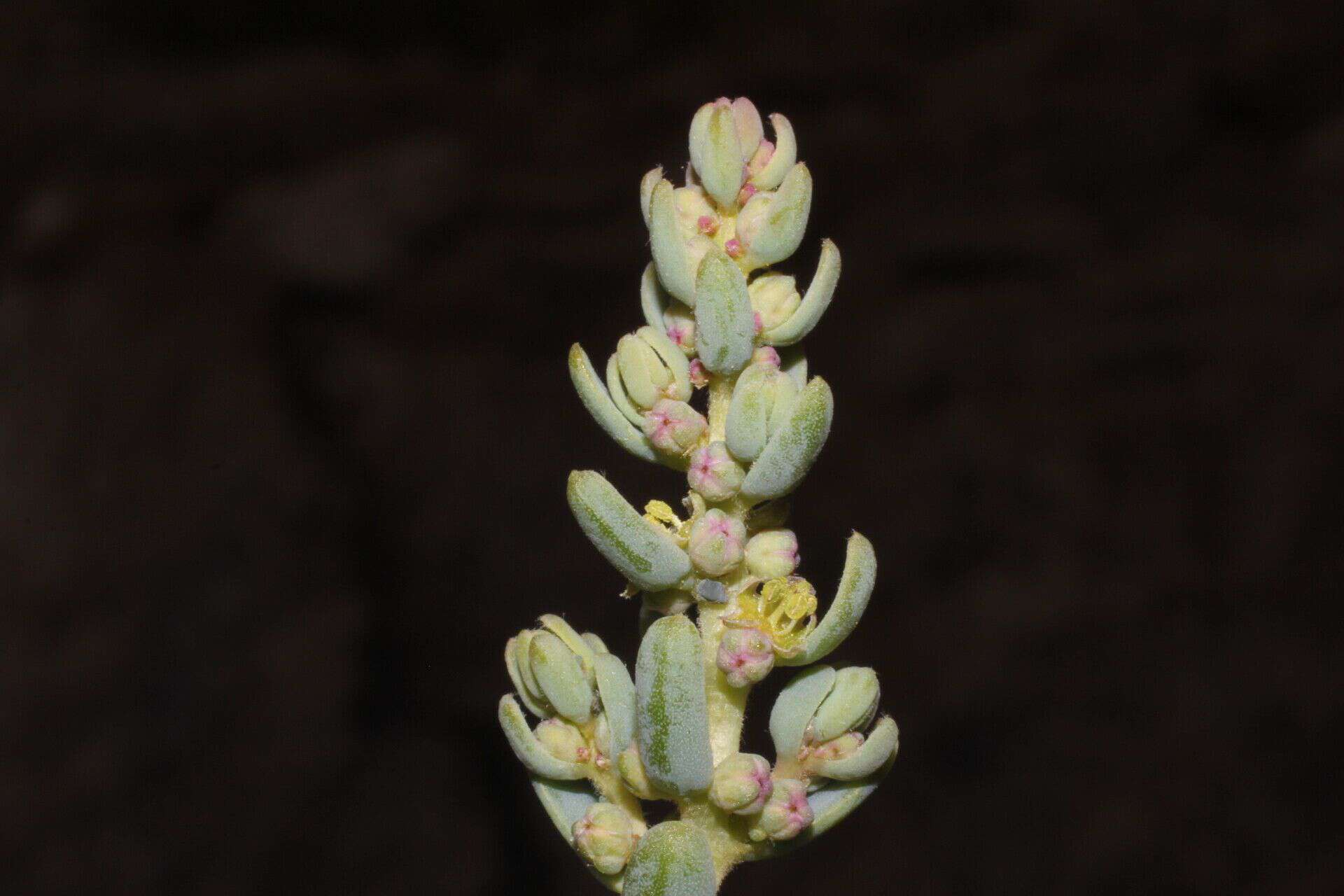
The Suaeda foliosa, more commonly known as the Seablite or Seafoam Saltwort, isn’t just a mouthful to say—it’s a fascinating and resilient plant that thrives in coastal environments. Its fleshy, succulent-like leaves and vibrant green hues, often tinged with red in autumn, bring a unique charm to gardens. Want to bring a touch of the seaside to your space? Let’s explore the rewarding process of propagating Suaeda foliosa.
Two Paths to Propagation:
Like many plants, Suaeda foliosa can be propagated in two primary ways: seeds and cuttings. Each method has its own advantages and quirks:
1. Starting from Seed: An Exercise in Patience
- Source Your Seeds: While you can try to collect seeds from existing plants, sourcing them from reputable suppliers ensures viability and sometimes offers unique varieties.
- The Timing Game: The ideal time to sow is late winter or early spring. This gives the seedlings a head start before the warmer months.
- Sowing the Seeds: Use a well-draining seed starting mix. Suaeda foliosa enjoys a saline environment, so you can even mist the seedlings with a very diluted saltwater solution (1 tsp sea salt per gallon of water).
- Patience is Key: Germination can be slow and erratic, taking anywhere from a few weeks to a few months. Don’t lose hope! Just maintain consistent moisture and warmth.
- Transplanting Time: Once your seedlings have developed a good root system and are a few inches tall, they are ready for their permanent home, ideally after the last frost.
2. Cuttings: A Quicker Route to Success
- Prime Time for Cuttings: The best time to take cuttings is in late spring or early summer when the plant is actively growing.
- Selecting the Right Cuttings: Look for healthy, non-flowering stems that are about 4-6 inches long. Using a clean, sharp knife or shears, make a cut just below a leaf node.
- Preparing the Cuttings: Remove the lower leaves from the cutting, leaving a few at the top. You can dip the cut end in rooting hormone to encourage faster growth, though it’s not always necessary.
- Potting Up: Plant your cuttings in a well-draining potting mix, burying at least one node below the surface. Keep the soil consistently moist.
- Rooting Success: With proper care, your cuttings should develop roots within a few weeks. Gently tug on the cutting; resistance means roots are forming.
Caring for Your New Suaeda Foliosa:
- Sun Lovers: Suaeda foliosa loves sunshine! Make sure it gets at least six hours of direct sunlight per day, whether grown indoors or outdoors.
- Well-Drained Paradise: As mentioned before, good drainage is crucial. Soggy soil will lead to root rot. Consider adding some sand or perlite to your potting mix.
- Water Wisely: While Suaeda foliosa is relatively drought tolerant, regular watering, especially during the first growing season, is essential. Allow the soil to dry out slightly between waterings.
- Salty Surprises (Optional): If you’re up for a bit of experimentation, you can occasionally water your established plants with a diluted saltwater solution to mimic their natural environment.
From Propagation to Flourishing Foliage:
Propagating Suaeda foliosa isn’t just about adding a beautiful plant to your garden or home; it’s a rewarding journey that connects you to the plant’s remarkable resilience and the beauty of coastal landscapes. Whether you choose the patient path of seeds or the quicker route of cuttings, remember that with a bit of care and attention, you’ll be rewarded with vibrant, salt-loving foliage for years to come!