
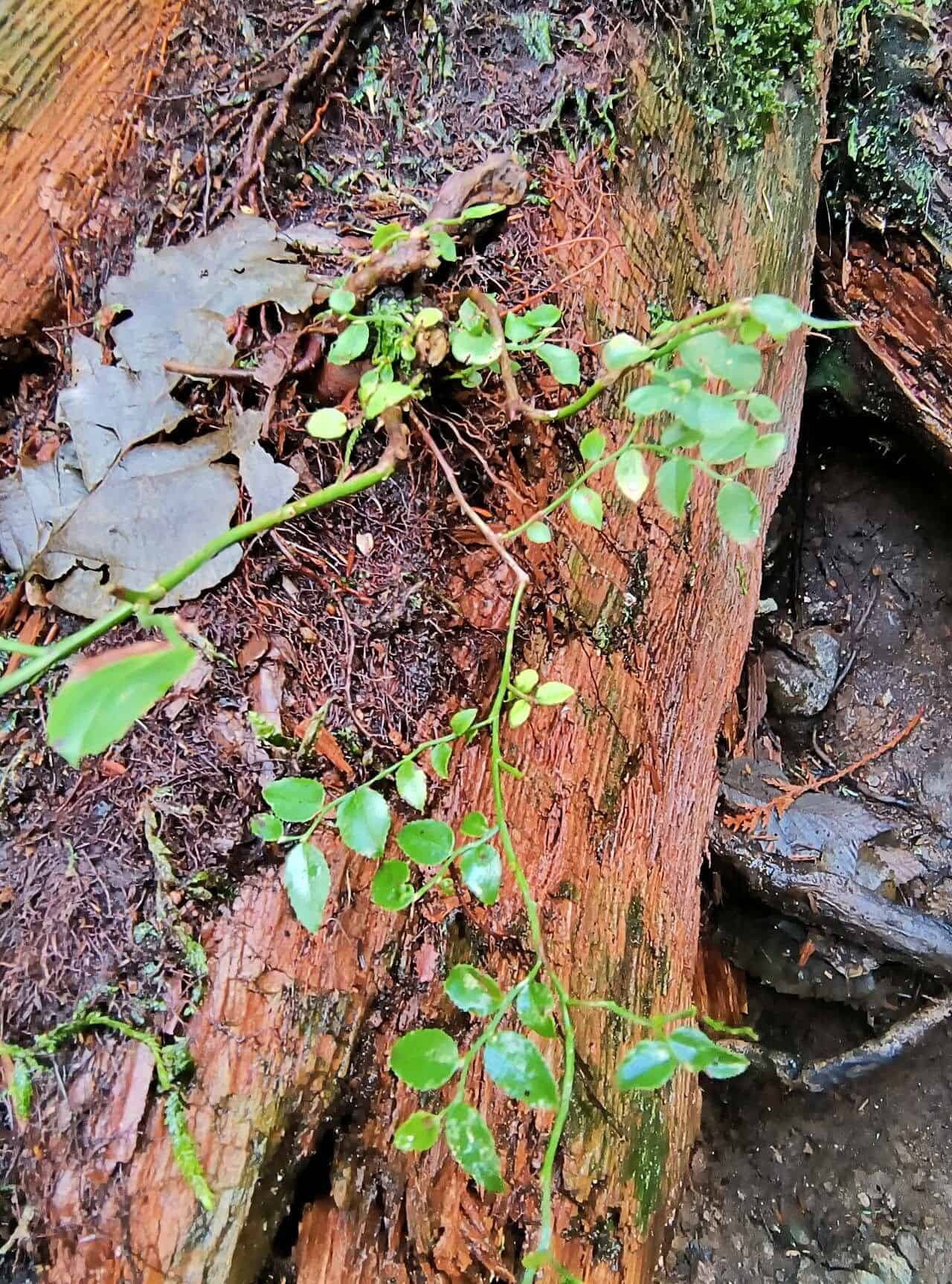
Berries of Patience: Propagating Red Huckleberries (Vaccinium parvifolium)
Red huckleberries (Vaccinium parvifolium), with their tart-sweet bursts of flavor, evoke memories of foraging in sun-dappled forests. While finding these treasures in the wild is a delight, wouldn’t it be wonderful to enjoy their bounty right in your backyard? Propagating your own red huckleberries, while requiring patience, is a rewarding journey for any plant enthusiast. Let’s explore the different methods that will have you welcoming these delightful shrubs to your garden.
Method 1: Seed Propagation – A Test of Time
Red huckleberry seeds require a period of cold stratification to break dormancy. Start by collecting ripe berries in late summer or early fall.
- Cleaning: Gently crush the berries and rinse away the pulp, leaving behind the tiny seeds.
- Stratification: Mix the seeds with moist sand or peat moss and store them in a sealed bag in the refrigerator (around 40°F) for 90-120 days.
- Sowing: In spring, sow the stratified seeds on the surface of a well-draining, acidic potting mix. Keep the soil consistently moist but not waterlogged.
- Patience: Germination can be slow and erratic, taking anywhere from a few weeks to several months.
Method 2: Taking Cuttings – Faster Results, Careful Technique
For quicker results, propagating red huckleberries from softwood cuttings is the preferred method.
- Timing is Key: Take cuttings in late spring or early summer from new growth that is pliable but not too soft.
- Cutting Technique: Using clean, sharp shears, snip a 4-6 inch section of stem just below a leaf node. Remove the lower leaves, leaving only 2-3 at the top.
- Hormone Boost (Optional): Dip the cut end in rooting hormone to encourage root development.
- Planting the Cutting: Insert the cutting into a pot filled with a well-draining, acidic rooting medium, making sure at least two nodes are below the soil line.
- Creating a Humid Environment: Cover the pot with a clear plastic bag or humidity dome to retain moisture and help the cutting establish roots.
- Be Patient & Observant: Keep the soil consistently moist and provide indirect sunlight. New growth indicates successful rooting, typically within 6-8 weeks.
Method 3: Layering – A Natural Approach
Layering, although less common, mimics the plant’s natural propagation process.
- Selecting a Branch: Choose a low-growing, flexible branch in spring.
- Wounding & Burying: Lightly wound the underside of the branch using a sterile knife, then bury the wounded portion in the soil. Secure it with a rock or landscape pin.
- Mother Plant Nourishment: The buried portion will develop roots while still receiving nutrients from the mother plant.
- Separation: After a year, check for root development. If sufficient roots have formed, carefully separate the newly rooted layer from the parent plant.
Essential Care for Your Huckleberry Offspring:
- Acidic Soil: Red huckleberries thrive in acidic soil (pH 4.5-5.5). Amend your soil with peat moss or elemental sulfur if needed.
- Well-Drained Soil: These plants dislike soggy roots. Choose a location with good drainage or amend the soil with organic matter to improve drainage.
- Sunlight & Shade: Red huckleberries prefer dappled sunlight. Aim for 4-6 hours of sunlight per day.
Propagating red huckleberries takes dedication and a touch of green-thumb magic. Whether you choose the rewarding journey of seed starting, the more predictable route of cuttings, or the natural approach of layering, your patience will be rewarded with years of delicious huckleberries.