
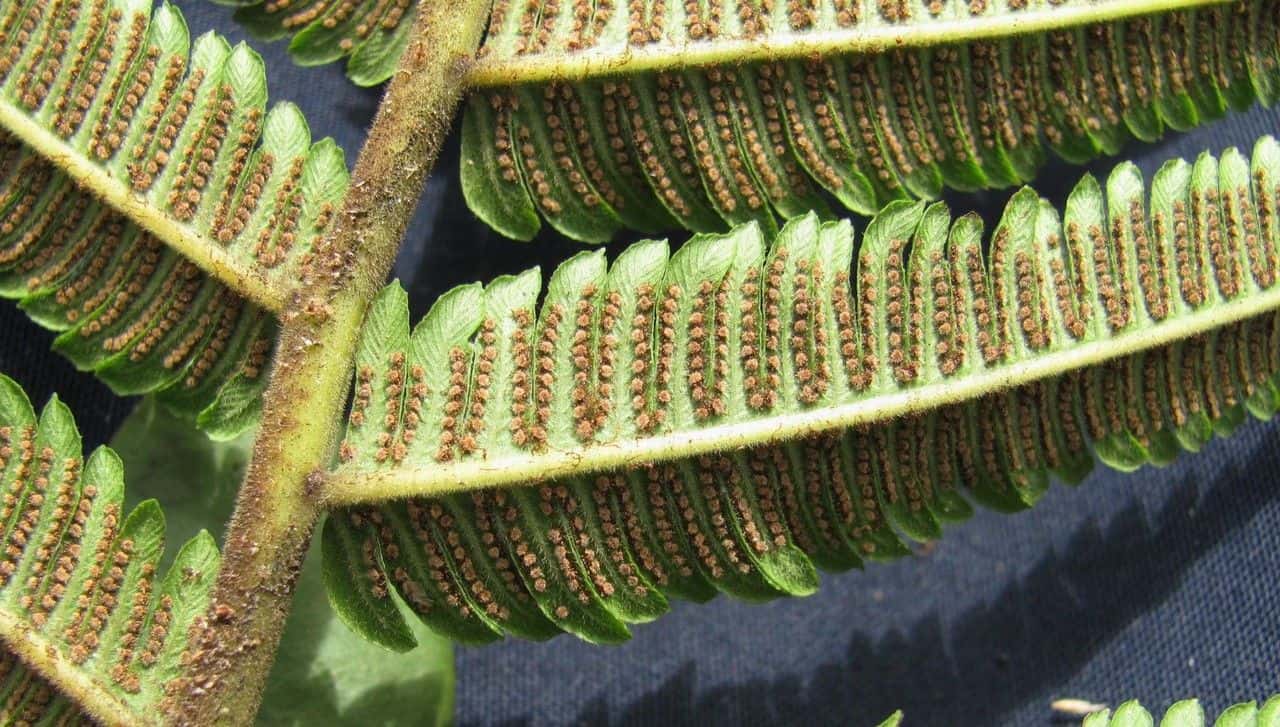
Unleashing the Giant: Propagating Thelypteris grandis Ferns for a Lush Landscape
Thelypteris grandis, known for its impressive size and graceful fronds, is a stunning addition to any shade garden. This fern, native to the Americas, brings a touch of prehistoric beauty with its vibrant green foliage. If you’re already lucky enough to have one gracing your garden, you might be wondering how to create more of these magnificent plants. Here’s your guide to successfully propagating Thelypteris grandis:
Understanding the Giant:
Before diving into propagation, it’s helpful to understand this fern’s growth habit. Thelypteris grandis spreads through rhizomes, underground stems that send up new fronds. This characteristic makes division the most straightforward and effective propagation method.
Propagation by Division:
- Timing is Key: The ideal time for dividing Thelypteris grandis is during its active growing season, typically spring or early fall.
- Tools of the Trade: You’ll need a sharp, clean garden spade or knife, gloves to protect your hands, and pots or prepared planting sites for your divisions.
- The Division Process:
- Water the Plant: Thoroughly watering the fern a day or two before division makes it easier to work with and reduces stress on the plant.
- Carefully Lift the Fern: Using your spade, gently loosen the soil around the fern’s base and lift the entire clump.
- Divide with Precision: Look for natural divisions in the rhizome, ensuring each section has a healthy set of fronds and roots. You can cut through the rhizome with your clean knife.
- Replanting the Divisions: Plant your divisions at the same depth they were originally growing. Water them well to settle the soil.
Providing the Ideal Growing Conditions:
Like the parent plant, divisions of Thelypteris grandis thrive in shady locations with moist, well-drained soil. Here’s a quick checklist for success:
- Light: Choose a spot that receives dappled shade or morning sun with afternoon shade.
- Soil: Amend heavy clay soil with compost or other organic matter to improve drainage.
- Water: Keep the soil consistently moist, but not waterlogged. Mulching around the plant can help retain moisture.
- Fertilizer: A light application of a balanced, slow-release fertilizer in spring is usually sufficient.
Patience is a Virtue:
While Thelypteris grandis is a relatively vigorous grower, it might take a season or two for your divisions to reach the impressive size of the parent plant. Be patient and continue to provide optimal growing conditions, and soon you’ll have a lush landscape filled with these magnificent ferns.
Beyond Division: Spore Propagation:
Propagating ferns from spores is an advanced technique best left to experienced gardeners. It’s a more time-consuming process with a lower success rate than division. However, if you’re feeling adventurous, you can collect spores from the underside of mature fronds.
By following these guidelines, you can unlock the secret to propagating Thelypteris grandis, expanding your fern collection and adding a touch of prehistoric grandeur to your garden.