
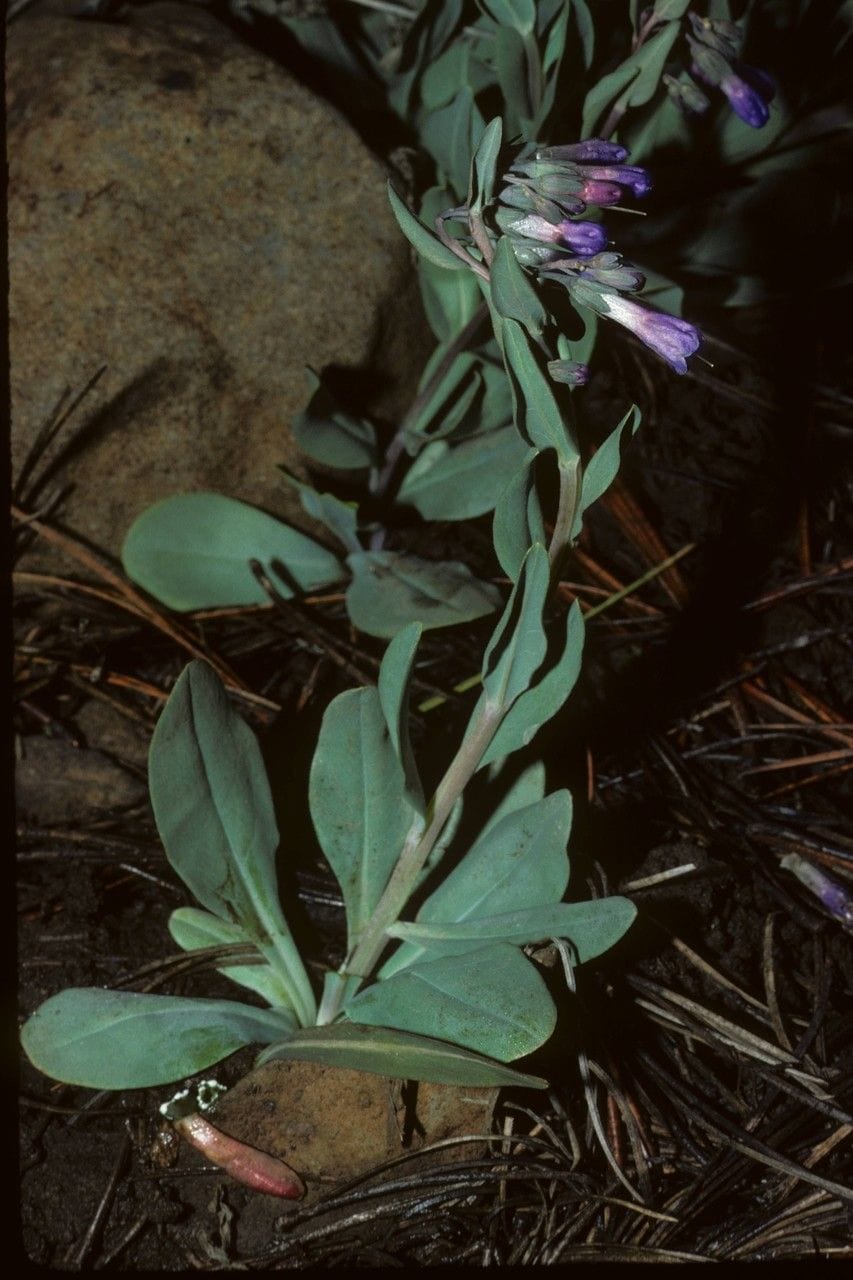
Unveiling the Secrets of Propagating the Charming Bluebells of MacDougall
Mertensia macdougalii, also known as MacDougall’s bluebells, is a captivating wildflower native to the western United States. Its clusters of delicate, bell-shaped flowers, ranging in hue from pale lavender to deep cobalt blue, grace meadows and mountain slopes, adding a touch of ephemeral beauty to the landscape. If you’re captivated by this charming wildflower and dream of inviting it into your garden, you’re in luck! Propagating Mertensia macdougalii, while not as common as with some plants, is achievable with a bit of patience and understanding of its lifecycle. Let’s delve into the secrets of successfully multiplying these enchanting bluebells.
Method 1: Seed Propagation – A Test of Patience
Propagating Mertensia macdougalii from seed is the most common method, but it requires careful timing and a touch of green-thumb magic.
Seed Collection: Timing is key. Collect mature seeds in late spring or early summer, just as the seed capsules turn brown and begin to split open. Look for healthy capsules containing plump, dark brown or black seeds.
Stratification – Mimicking Nature’s Touch: In their natural habitat, Mertensia seeds experience a period of cold dormancy over winter. To replicate this, stratify the seeds by placing them in a moistened mixture of sand and peat moss. Store this mixture in a sealed bag in your refrigerator for 8-12 weeks.
Sowing Time: Sow the stratified seeds in late fall or early spring, directly into prepared garden beds or in pots filled with well-draining soil. Gently press the seeds into the soil surface, leaving them uncovered as light can aid germination.
- Patience is Key: Germination can be erratic, taking anywhere from a few weeks to several months. Be patient and keep the soil consistently moist but not waterlogged.
Method 2: Division – Sharing the Beauty
Dividing established clumps is another effective method for propagating Mertensia macdougalii. However, this method is best done in early fall when the plants are dormant.
Careful Extraction: Gently dig up a mature clump, ensuring to dig wide to avoid damaging the roots.
Division with Care: Carefully separate the clump into smaller sections, each with healthy roots and shoots.
- Replanting: Replant the divided sections at the same depth they were originally growing and water them thoroughly.
Nurturing Your Bluebell Haven
Once you’ve successfully propagated your Mertensia macdougalii, provide them with the right conditions to thrive. Opt for a location with partial shade to full sun, mimicking their natural woodland habitat. Ensure well-drained soil, as these beauties are susceptible to root rot in overly soggy conditions. Water regularly during the growing season, but allow the soil to dry out slightly between waterings.
Propagating Mertensia macdougalii might require some effort, but the reward of these enchanting bluebells gracing your garden is well worth it. With patience, care, and a touch of luck, you’ll be able to enjoy these ephemeral beauties year after year, transforming your garden into a haven of delicate, blue-hued splendor.