
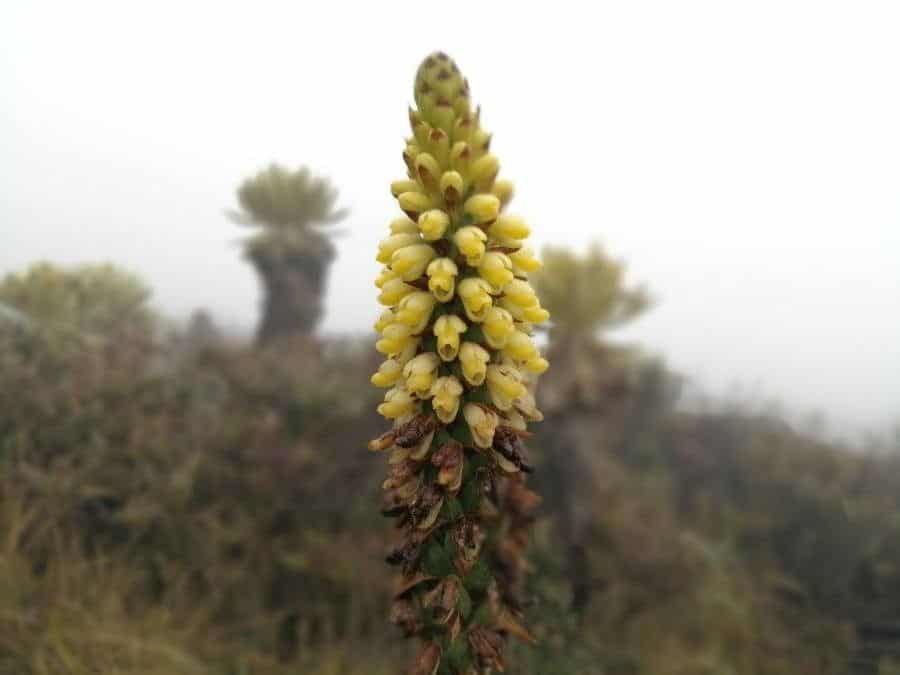
Unlocking the Secrets: Propagating the Elusive Gomphichis cundinamarcae
The world of orchids is filled with an astounding array of colors, shapes, and sizes, each more captivating than the last. Among these botanical wonders lies the Gomphichis cundinamarcae, a terrestrial orchid native to the Andean cloud forests of Colombia. With its subtle beauty and intriguing biology, the Gomphichis cundinamarcae presents a unique challenge and an alluring reward for orchid enthusiasts keen on expanding their collection.
Propagating orchids can be notoriously tricky, and the Gomphichis cundinamarcae is no exception. Its natural habitat, characterized by high humidity, cool temperatures, and specific mycorrhizal fungi associations, presents a difficult environment to replicate. However, armed with knowledge and patience, dedicated growers can increase their chances of success.
Understanding the Biology:
Gomphichis cundinamarcae reproduces both sexually through seed and asexually through vegetative propagation. Let’s delve into both methods:
1. Sexual Propagation (Seed Germination):
Germinating orchid seeds in a home environment is considered advanced orchid husbandry. Gomphichis cundinamarcae seeds are dust-like and lack endosperm, meaning they rely entirely on a symbiotic relationship with specific mycorrhizal fungi for germination and initial growth.
- The Challenge: Recreating the precise fungal environment in a home setting can prove difficult and often requires specialized lab equipment and techniques.
- The Reward: Successfully germinating seeds allows for genetic diversity within your collection, potentially leading to unique color variations or increased resilience.
2. Asexual Propagation (Vegetative Propagation):
Vegetative propagation focuses on creating new plants from existing plant parts. In the case of Gomphichis cundinamarcae, division is the most common method.
- Division: Mature plants sometimes produce side growths or “offsets.” These offsets can be carefully separated from the mother plant and potted individually, ensuring each division has adequate roots and leaves.
- The Benefit: This method preserves the genetic makeup of the parent plant, ensuring you maintain the characteristics of the original. It also generally results in a faster growth rate compared to seed germination.
Tips for Success:
- Mimic the Natural Environment: Aim for cool temperatures (55-65°F), high humidity (70-80%), and bright, indirect light.
- Well-draining Media: A mix of fine bark, perlite, and sphagnum moss is often recommended.
- Patience: Remember that orchids are slow growers. Be prepared to provide consistent care and don’t be discouraged if you don’t see immediate results.
Conservation Note:
It’s essential to remember that Gomphichis cundinamarcae is a vulnerable species facing habitat loss in its natural environment. If you choose to cultivate this orchid, always source your plants responsibly from reputable growers who propagate ethically and sustainably.
Propagating Gomphichis cundinamarcae is a rewarding endeavor for dedicated orchid enthusiasts. While challenges exist, the satisfaction of cultivating this unique and beautiful species makes the effort worthwhile. With patience, persistence, and a genuine passion for these botanical wonders, you too can contribute to the preservation and appreciation of this captivating orchid.