
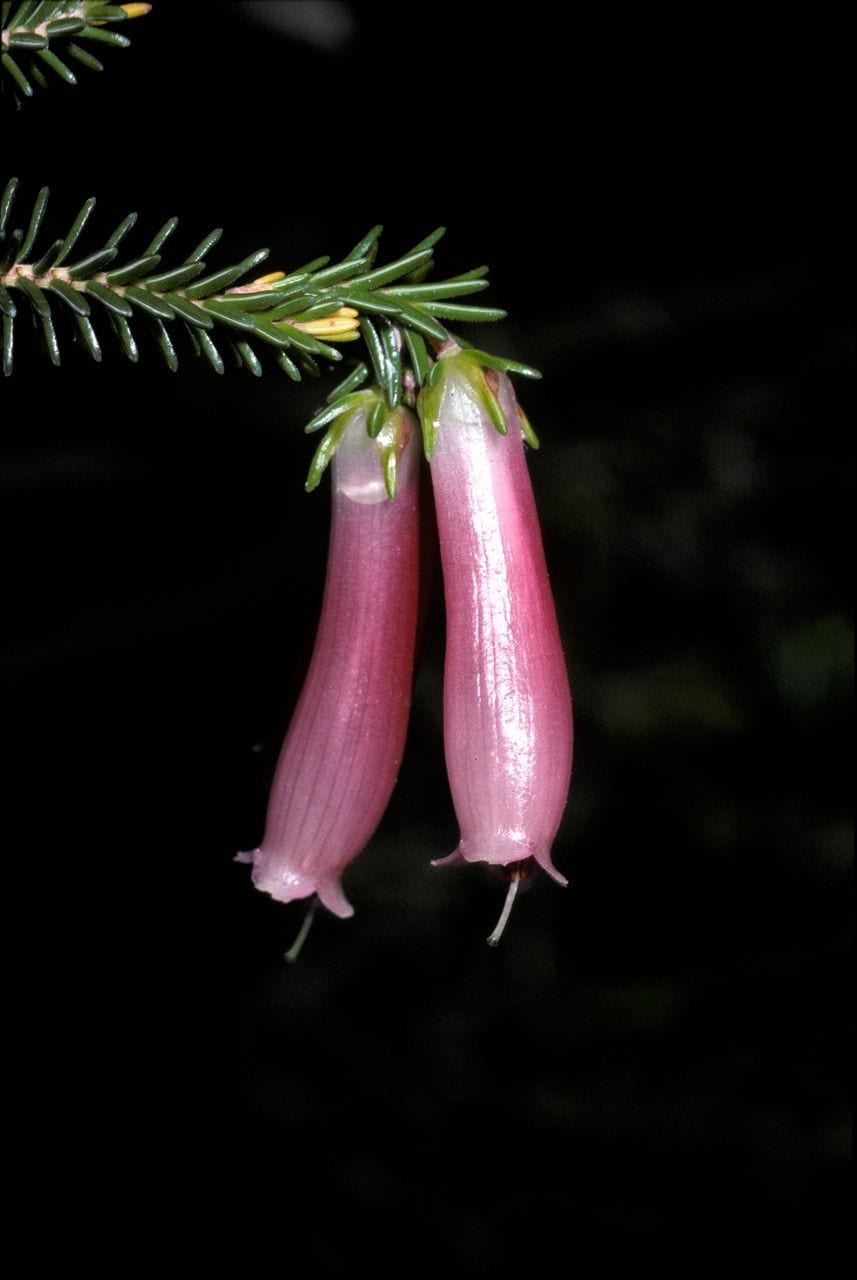
Unlocking the Beauty of Porcelain Heath: Propagating Erica diaphana at Home
Erica diaphana, fondly known as Porcelain Heath, is a captivating South African native with its delicate, translucent flowers resembling tiny porcelain bells. This charm, however, can make it seem intimidating to propagate. Fear not, fellow plant enthusiasts! This guide will demystify the process, empowering you to expand your Porcelain Heath collection and share its beauty.
Two Roads Diverge: Seed vs. Cutting Propagation
While Erica diaphana can be propagated by both seeds and cuttings, cuttings are generally preferred for their higher success rate and faster results, allowing you to enjoy new blooms within a year.
Seed Propagation: A Test of Patience
- Harvesting the Dust: Erica diaphana seeds are incredibly fine, almost like dust. Gently collect them from dried seed capsules by holding them over a piece of paper and lightly tapping.
- Sowing the Seeds: Employ a well-draining seed-starting mix and scatter the seeds on the surface. Don’t bury them – they need light to germinate.
- Patience is Key: Mist the soil regularly and keep it consistently moist. Germination can be erratic and take anywhere from a few weeks to a couple of months.
- Transplanting: Once seedlings develop a few sets of true leaves, carefully transplant them into individual pots, handling them by the leaves to avoid damaging the delicate stems.
Cutting Propagation: A Path to Quicker Success
- Timing is Everything: The best time to take cuttings is in late spring or early summer when the plant is actively growing.
- Selecting the Perfect Candidates: Choose healthy, non-flowering stems about 3-4 inches long. Ideally, select semi-ripe cuttings – those that are flexible but beginning to firm up at the base.
- Preparing the Cuttings: Carefully remove the bottom leaves, leaving only a few pairs at the top. This minimizes water loss and encourages root development.
- Hormone Boost (Optional): Dipping the cut ends in rooting hormone powder can significantly improve the success rate, but it’s not strictly necessary.
- Planting the Cuttings: Fill small pots with a well-draining mix of peat moss and perlite. Make a small hole with a pencil and gently insert the cutting, ensuring at least one node is buried.
- Creating a Humid Environment: High humidity is crucial for successful rooting. Cover the pots with a clear plastic bag or place them in a propagator to maintain moisture.
- Patience Rewarded: After about 6-8 weeks, gently tug on the cuttings. Resistance indicates root development. Once you see new growth, you can transplant them into larger pots.
Essential Tips for Success:
- Well-draining soil is paramount: Erica diaphana despises soggy roots, so ensure your soil mix allows for excellent drainage.
- Light, but not too bright: Provide bright, indirect light for both seeds and cuttings. Harsh, direct sunlight can scorch the delicate foliage.
- Water consistently, but sparingly: Keep the soil moist but not waterlogged. Allow the top inch to dry out between watering.
Propagating Erica diaphana might seem daunting at first, but with patience and care, you can successfully multiply these charming plants. Enjoy the process of nurturing new life and witnessing the beauty of Porcelain Heath grace your home and garden!