
Unlocking the Secrets of Aporosa Nervosa Propagation: A Guide for Plant Enthusiasts
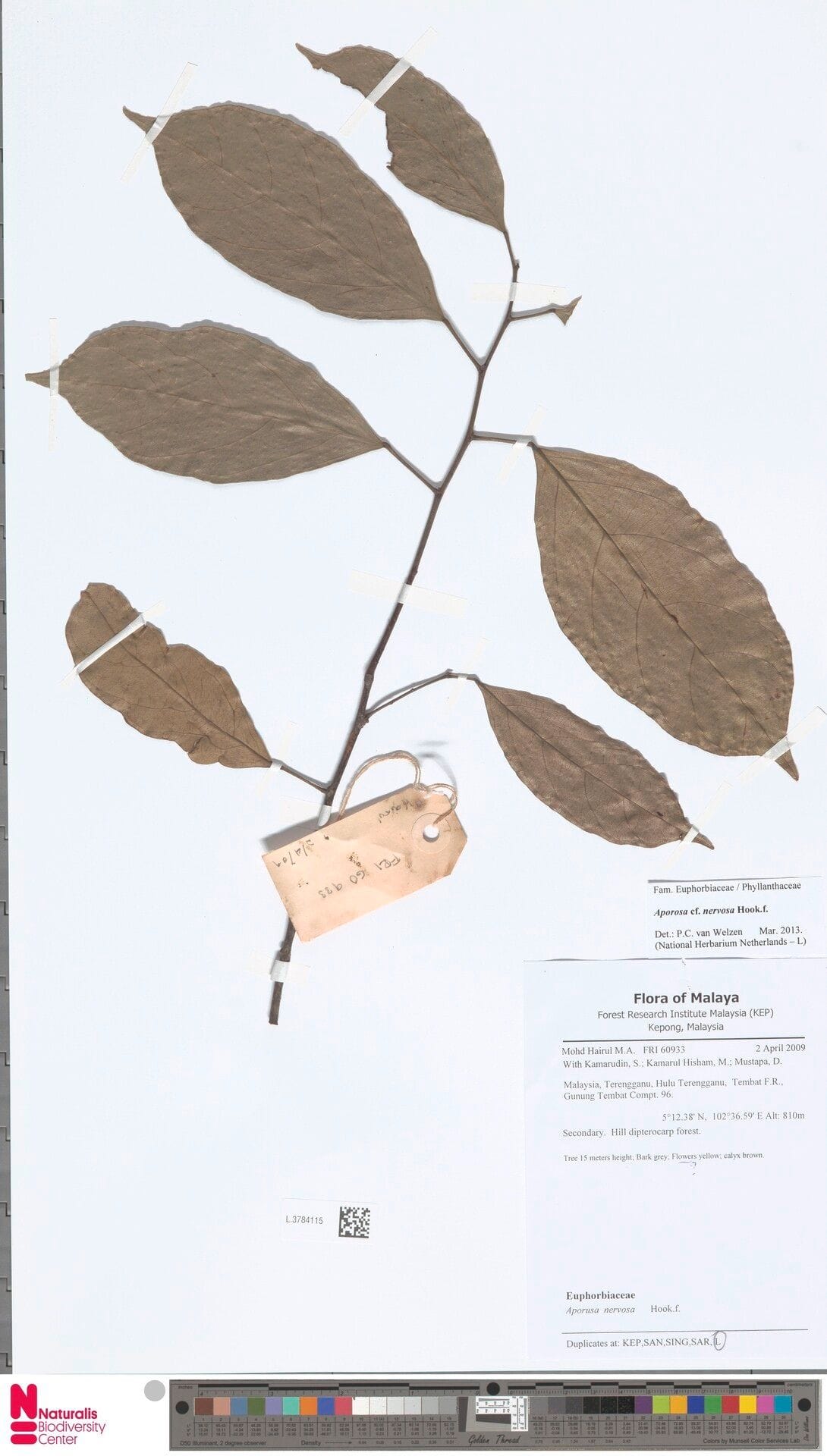
Aporosa nervosa, with its delicate foliage and subtle beauty, isn’t your typical household plant. Originating from the tropical rainforests of Southeast Asia, this evergreen shrub possesses an alluring charm that captivates plant lovers seeking something unique. But if you’re hoping to expand your collection or share the joy of this botanical gem, understanding its propagation methods is key.
While information on Aporosa nervosa might seem scarce compared to more common houseplants, getting the hang of its propagation isn’t as daunting as you might think. This guide delves into the techniques that can be used to grow new plants.
Two Paths to Propagation:
1. Seed Propagation: A Journey of Patience and Reward
Propagating Aporosa nervosa from seed is considered the more traditional method. While it demands patience, witnessing the germination and growth from a tiny seed is an immensely rewarding experience for any plant enthusiast.
- Source your seeds: Sourcing seeds can be tricky, as they’re not readily available commercially. You might need to connect with specialist nurseries or passionate collectors online.
- Prepare for sowing: Once you acquire seeds, soak them in warm water for 24 hours to enhance germination rates. Using a seed starting mix that’s well-draining is crucial.
- Sowing the seeds: Sow the seeds about half an inch deep in the moist mix. Cover the tray or pot with a clear plastic lid or wrap to create a humid environment.
- Patience is key: Place the tray in a warm, brightly lit location, but out of direct sunlight. Germination can be unpredictable, potentially taking several weeks to months.
- Transplanting: Once the seedlings develop a few sets of true leaves, transplant them into individual pots with well-draining soil.
2. Cutting Propagation: A Faster Route to Success
Propagating Aporosa nervosa from cuttings is another viable option, often preferred for its quicker results. This method involves taking a piece of a healthy mother plant to encourage root development.
- Timing is everything: The ideal time for taking cuttings is during the plant’s active growing season, typically spring or early summer.
- Select the right cutting: Choose a healthy stem that’s semi-hardwood, meaning it’s mature but still flexible, about 4-6 inches long.
- Prepare the cutting: Remove the leaves from the lower portion of the cutting to prevent them from rotting in the growing medium.
- Hormone boost (optional): Dipping the cut end in rooting hormone can promote faster and healthier root development.
- Planting the cutting: Insert the cut end of the stem into a pot filled with a well-draining rooting mix or a mixture of perlite and peat moss.
- Creating humidity: Cover the pot with a clear plastic bag or a humidity dome to create a warm and humid environment, essential for root development.
- Monitor and wait: Place the pot in a brightly lit location but away from direct sunlight. Check the moisture level regularly and mist the cutting to maintain humidity.
- Transplanting: In a few weeks, gently tug on the cutting; resistance indicates root development. Once the roots are established, transplant the new plant into a larger pot with well-draining soil.
Caring for Your New Aporosa Nervosa:
Regardless of your chosen propagation method, providing the right care is crucial for the success of your new Aporosa nervosa plant. This includes:
- Bright, indirect light: Mimic its natural rainforest habitat by keeping it in a bright location away from harsh direct sunlight.
- Well-draining soil: This plant thrives in soil that drains well, preventing waterlogging and root rot.
- Consistent moisture: Keep the soil evenly moist but not soggy. Allow the topsoil to dry slightly between waterings.
- Warm temperatures: Being a tropical plant, Aporosa nervosa prefers warm temperatures and doesn’t tolerate frost.
- Humidity is key: Maintain humidity around the plant by misting regularly or using a humidifier, especially during dry months.
Propagating Aporosa nervosa might require effort and patience, but the reward of seeing new life emerge and thrive makes it a journey worth taking for any plant enthusiast. With the right techniques and dedicated care, you’ll be well on your way to expanding your collection and enjoying the unique beauty of this rainforest treasure.