
Cracking the Code: Propagating the Elusive Sanicula saxatilis
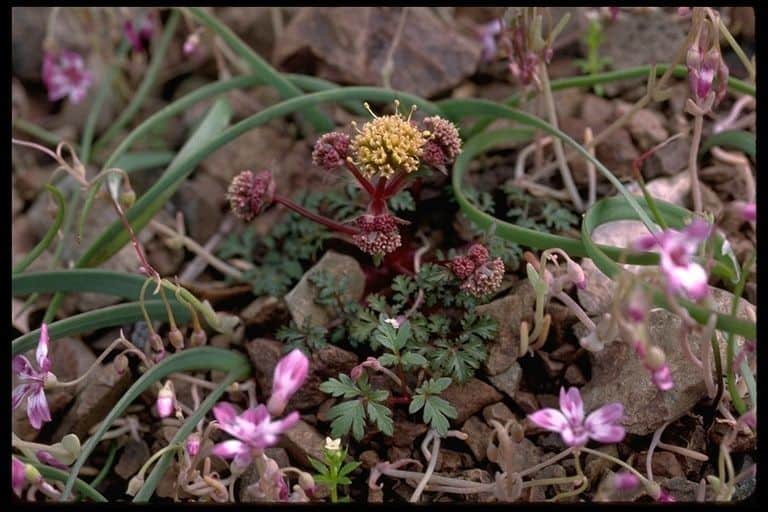
Sanicula saxatilis, also known as the Devil’s blacksnakeroot or the Sandstone blacksnakeroot, is not your typical garden variety plant. Its delicate, umbel-like clusters of greenish-yellow flowers and intricately lobed leaves hold a quiet beauty that captivates plant enthusiasts. But captivating as it may be, propagating this North American native is often considered a challenging endeavor.
Fear not! While propagating Sanicula saxatilis does require patience and a bit of finesse, it’s not an impossible feat. Let’s delve into the two main methods you can use to expand your collection of this unique plant:
1. Seed Propagation: A Game of Patience
- Timing is Key: Collect seeds from mature plants in the late summer or early fall. Look for the distinctive, spiky seed heads that turn brown upon ripening.
- Cold Stratification: A Necessary Dormancy Break: Sanicula saxatilis seeds require a period of cold stratification to mimic natural winter conditions and break their dormancy. You can achieve this by:
- Sowing Outdoors: Sow the seeds directly in prepared garden beds in the fall. Natural winter temperatures will provide the necessary chilling.
- Simulating Winter Indoors: Mix the seeds with a moist (not soggy) medium like vermiculite or sand, place them in a sealed plastic bag, and store them in the refrigerator (around 40°F) for 6-8 weeks.
- Sowing & Germination: After stratification, sow the seeds about ¼ inch deep in a well-draining seed starting mix. Keep the medium consistently moist but not waterlogged. Germination can be erratic and may take several weeks or even months.
2. Division: For the Impatient Gardener (Sort Of)
- Timing & Technique: Dividing established clumps is best done in early spring or fall. Carefully dig up the entire plant, ensuring you get as much of the root system as possible. Using a sharp, clean knife or garden shears, divide the plant into smaller sections, making sure each section has a good amount of roots and shoots.
- Replanting: Replant the divisions at the same depth they were originally growing. Water thoroughly and keep the soil consistently moist as the divisions establish themselves.
Essential Tips for Success:
- Well-Drained Soil: Sanicula saxatilis thrives in well-drained soil. Avoid heavy clay soils, as they can lead to root rot.
- Light Shade is Best: These plants prefer dappled shade or morning sun with afternoon shade.
- Patience, Patience, Patience: Whether you choose seed propagation or division, remember that Sanicula saxatilis can be slow to establish. Don’t be discouraged if you don’t see immediate results; with time and proper care, your efforts will be rewarded.
Propagating Sanicula saxatilis might require some extra effort, but the reward of seeing this intriguing plant flourish in your garden is well worth the journey. So, embrace the challenge and enjoy the process of expanding your plant family with this unique and beautiful species.