
Unleash the Butterfly Effect: Propagating Aquatic Milkweed (Asclepias perennis)
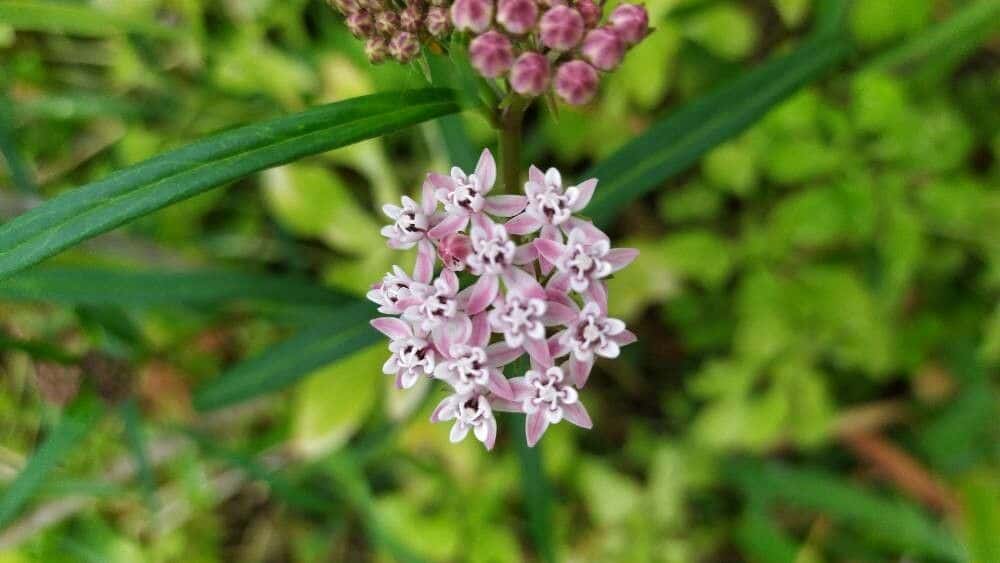
Aquatic milkweed (Asclepias perennis), also known as swamp milkweed, is a beautiful and vital plant for any wildlife-friendly garden. Not only does it boast delicate white blooms that attract a myriad of pollinators, but it’s also a critical host plant for the iconic monarch butterfly. Ready to spread the love (and milkweed) further? Let’s explore the fascinating world of propagating Asclepias perennis!
Two Roads Diverge: Seed vs. Division
Like many perennials, Asclepias perennis can be propagated in two primary ways: by seed or by division. Each method has its own set of advantages and best practices:
1. Seeding a Legacy: Starting from Scratch
- The Process: Harvest mature seed pods from existing plants in the fall, recognizing them by their brown, boat-like shape. After drying and extracting the fluffy seeds, you have two options: direct sow in late fall for natural stratification (cold treatment) or start indoors 6-8 weeks before the last frost.
- Pro-Tip: Soaking the seeds in water for 24 hours before planting improves germination rates.
- Pros: This method is ideal for generating many new plants and is relatively straightforward.
- Cons: Seed germination can be a bit unpredictable, and you’ll need some patience as plants will take longer to mature compared to divisions.
2. Dividing and Conquering: Sharing the Bounty
- The Process: In early spring or fall, carefully dig up an established clump of Asclepias perennis. Using a sharp spade or garden knife, divide the plant into sections, ensuring each division has a good root system and several growth points. Replant immediately in amended soil.
- Pro-Tip: Dividing every 3-4 years can actually enhance the plant’s vigor and prevent overcrowding.
- Pros: Division offers a quicker route to flowering plants and guarantees successful establishment.
- Cons: This method yields fewer new plants compared to starting from seed.
Essential Care Tips for Thriving Milkweed
No matter your chosen propagation method, remember these essential tips to set your Asclepias perennis up for success:
- Sun Soaked Location: These sun-loving plants thrive in at least 6 hours of direct sunlight per day.
- Water Wisely: While “aquatic” is in its name, Asclepias perennis prefers consistently moist but well-drained soil.
- Fertilize Sparingly: A light feeding in spring with a balanced fertilizer is usually sufficient. Avoid over-fertilizing as it can lead to weak growth and reduced flower production.
Propagating Asclepias perennis: A Rewarding Endeavor
By propagating your own Asclepias perennis, you’re not just expanding your garden’s beauty but also contributing to the well-being of vital pollinators like the monarch butterfly. With a little patience and care, you’ll soon have a thriving patch of this essential plant, buzzing with life and playing a crucial role in the ecosystem. Now, that’s a propagation tale worth sharing!