
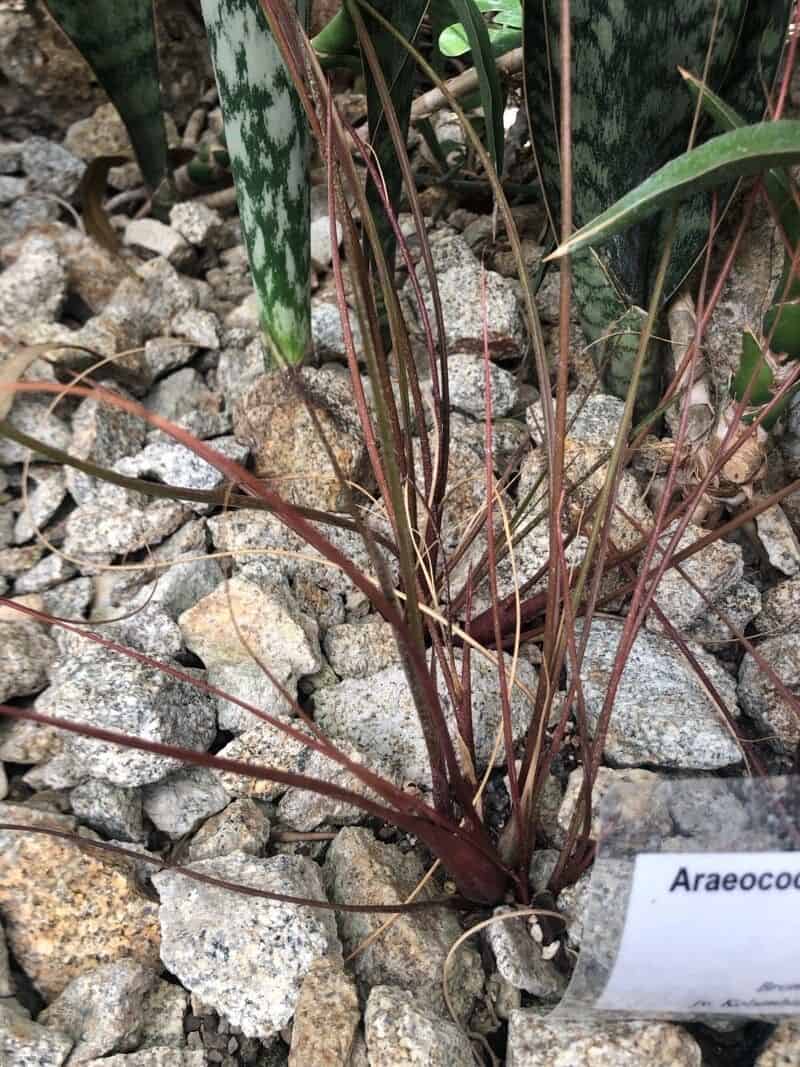
Unfurling the Secrets of the Araeococcus flagellifolius: A Propagation Guide
The Araeococcus flagellifolius, with its captivating rosette of slender, arching leaves and vibrant berry clusters, is a sight to behold. Native to the Brazilian Atlantic Forest, this bromeliad species remains relatively uncommon in cultivation but offers a unique charm for adventurous plant enthusiasts. Want to multiply your Araeococcus flagellifolius and share its beauty? Let’s dive into the fascinating world of bromeliad propagation.
Understanding the Life Cycle
Like many bromeliads, the Araeococcus flagellifolius blooms only once in its lifetime. After this spectacular floral display, the mother plant gradually declines, but not before producing “pups” – offshoots that emerge at the base. These pups are your ticket to propagating this stunning species.
Methods of Propagation
- Pup Removal & Planting (The Most Common Method)
- Timing is Key: Wait until the pups are at least one-third the size of the mother plant, typically 6-12 months after flowering. This ensures they’ve developed a strong enough root system for independent growth.
- Gently Remove the Pups: Using a clean, sharp knife or pruning shears, carefully detach the pup from the mother plant. Ensure you capture some roots with each pup for optimal success.
- Potting Mix: Choose a well-draining mix specifically formulated for bromeliads or orchids. A suitable combination includes bark chips, perlite, and peat moss.
- Planting: Place the pup in the potting mix, ensuring the base sits just above the soil line. Water thoroughly and allow excess water to drain completely.
- Bright, Indirect Light: Place your newly potted pup in a location with bright, indirect light. Direct sunlight can scorch the delicate leaves.
- Seed Propagation (For the Patient Gardener):
- Araeococcus flagellifolius produces small seeds after flowering. While possible, propagating from seed is a longer and less predictable process.
- Sow seeds on the surface of a moist seed starting mix. Do not bury the seeds as they require light to germinate.
- Provide warmth and humidity: Cover the seed tray with a humidity dome or plastic wrap to maintain moisture and warmth.
- Germination can take several weeks to months. Be patient and ensure the seed starting mix remains consistently moist but not soggy.
Care for Your New Propagations:
- Watering: Water your Araeococcus flagellifolius pups when the top inch of the potting mix feels dry. Ensure proper drainage to prevent root rot.
- Humidity: Being a tropical plant, it thrives in humid environments. Consider misting your plant regularly or placing it on a humidity tray.
- Fertilization: Use a diluted, balanced fertilizer formulated for bromeliads during the growing season (spring and summer).
- Patience is Key: Remember that it takes time for pups to establish themselves and reach maturity. With proper care and attention, you’ll eventually be rewarded with their own stunning foliage and, eventually, beautiful blooms.
Share the Beauty
Propagating Araeococcus flagellifolius is a rewarding endeavor for any plant enthusiast. By understanding its life cycle and utilizing these propagation techniques, you can multiply your collection and share the unique beauty of this captivating bromeliad.