
Rooting for Success: Effortless Petrosedum Rupestre Propagation Techniques
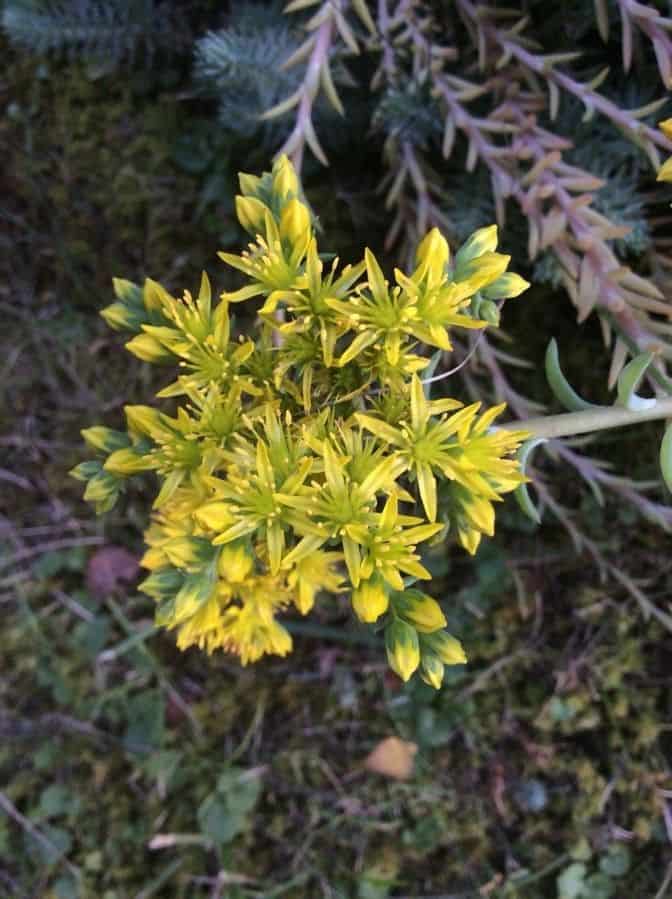
Petrosedum rupestre, also known as Blue Spruce Stonecrop or Jenny’s Stonecrop, is a delightful succulent admired for its captivating blue-green foliage, vibrant yellow flowers, and hardy nature. This low-maintenance beauty is a fantastic addition to rock gardens, borders, and even containers. If you’re looking to multiply your Petrosedum rupestre and spread its charm, you’ll be delighted to know that this succulent is incredibly easy to propagate. Let’s dive into the world of Petrosedum rupestre propagation and discover just how simple it is to grow new plants from existing ones.
Understanding Petrosedum Rupestre
Before we delve into the “how-to,” let’s get familiar with what makes this succulent special. Petrosedum rupestre is a mat-forming succulent, meaning it spreads horizontally, creating a carpet-like effect. This characteristic plays a key role in its propagation, as you’ll soon learn.
Methods of Propagation: Simple and Effective
One of the most remarkable things about Petrosedum rupestre is its ability to propagate easily through various methods:
1. Stem Cuttings: A Classic Approach
- Timing: Spring and early summer offer the optimal conditions for successful stem cuttings.
- Process:
- Identify healthy stems and, using a clean, sharp knife or shears, cut a section about 3-4 inches long.
- Remove the lower leaves, leaving a couple of pairs at the top.
- Allow the cuttings to callous over for a day or two in a cool, dry place. This allows the cut end to dry and reduces the risk of rot.
- Plant the cuttings in a well-draining potting mix, burying the nodes where the leaves were removed.
- Water sparingly and place the cuttings in a location with bright, indirect light.
- Rooting Time: Within a few weeks, you should start noticing new growth, indicating successful rooting.
2. Division: Leveraging its Mat-Forming Nature
- Best Time: Spring is the ideal time for dividing Petrosedum rupestre, as the plant is entering its active growing season.
- Process:
- Gently dig up the entire plant, being careful not to damage the roots.
- Using your hands or a clean knife, carefully divide the plant into smaller sections, ensuring each section has roots attached.
- Replant the divisions in the desired location or containers, providing adequate spacing for growth.
- Advantages: Division offers a quick way to obtain established plants ready to thrive in their new home.
3. Leaf Cuttings: A Less Common but Effective Method
- The Process:
- Carefully twist or cut a healthy leaf from the stem.
- Allow the leaf to callus for a day or two.
- Lay the leaf on top of a well-draining potting mix.
- Mist the soil lightly every few days, ensuring it doesn’t become overly wet.
- Rooting: Be patient! Leaf cuttings take longer to develop roots, sometimes several weeks or even months. You’ll know it’s working when you see tiny plantlets emerging from the base of the leaf.
Caring for Your Newly Propagated Plants
Once your Petrosedum rupestre cuttings or divisions have rooted, care for them as you would mature plants:
- Watering: These succulents prefer infrequent but deep watering. Allow the soil to dry out completely between waterings.
- Sunlight: Provide at least 6 hours of bright, indirect sunlight daily.
- Fertilizer: Fertilize sparingly during the growing season with a balanced, diluted fertilizer.
Propagating your own Petrosedum rupestre is an immensely rewarding experience. Not only is it incredibly easy, but it’s also a cost-effective way to expand your succulent collection and share the joy of this beautiful plant with others. So go ahead, embrace the world of plant propagation, and watch your succulent garden flourish!