
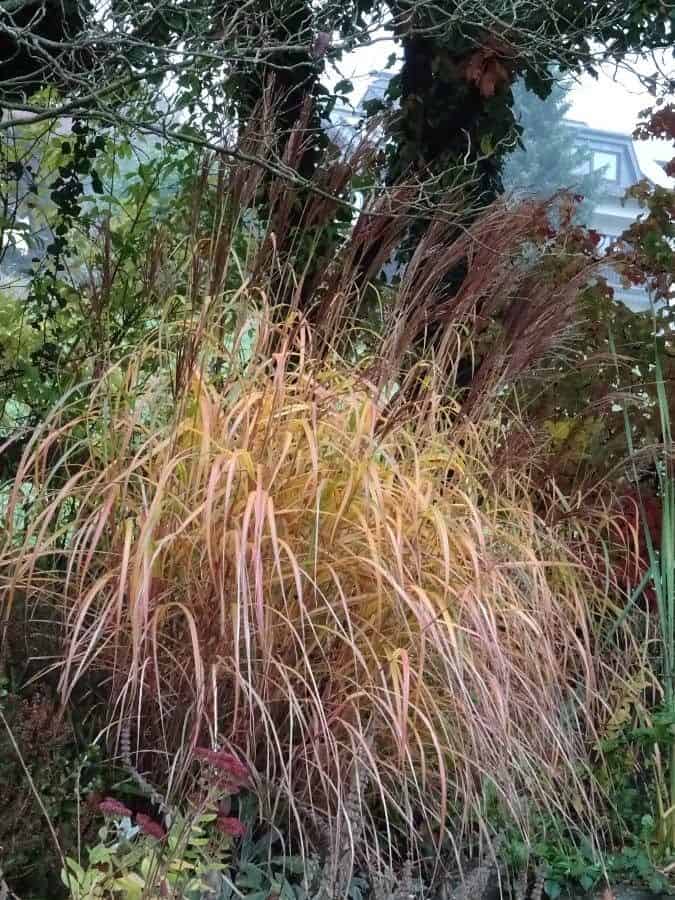
Unleashing the Fluff: Propagating Plume Grass (Miscanthus sacchariflorus) for a Lush Landscape
Plume grass (Miscanthus sacchariflorus) is a showstopper. Its feathery plumes sway gracefully in the breeze, adding movement and texture to any garden. This easy-care ornamental grass, also known as Amur silvergrass, is remarkably hardy and adaptable. But did you know that multiplying your stand of Miscanthus sacchariflorus is surprisingly achievable? Let’s explore the two main methods of propagation: division and seed.
Division: The Go-To Method for Guaranteed Success
Division is the most straightforward and reliable way to propagate plume grass. This technique involves digging up a portion of an existing plant and separating it into smaller sections, each capable of independent growth. Here’s a step-by-step guide:
When to Divide: Spring is the optimal time, just as new growth begins to emerge. This allows the plant ample time to establish itself before winter.
What You’ll Need:
- Sharp spade or garden fork
- Gardening gloves
- Clean, sharp knife or pruning shears
Steps:
- Prepare the New Planting Site: Choose a location with well-drained soil and full sun to partial shade. Amend the soil with compost for optimal results.
- Dig Up a Section: Using a spade or garden fork, carefully dig around the perimeter of the clump you wish to divide. Try to keep a good root ball intact.
- Divide the Clump: Gently pull apart the clump into smaller sections. Each section should have a healthy portion of roots and shoots. For larger clumps, a sharp knife or saw may be needed.
- Replant: Place the divisions in their new locations at the same depth they were originally growing. Backfill the holes with soil and water thoroughly.
Seed Starting: A Longer, Yet Rewarding, Journey
While division offers instant gratification, starting plume grass from seed can be a fulfilling experience. Keep in mind that this process takes longer and may not yield identical results to the parent plant.
Seed Collection:
- Plume grass blooms in late summer or early fall, producing fluffy, silver-white seed heads.
- Collect the seed heads once they are dry and brown.
- Store the seeds in a paper bag in a cool, dry place until you are ready to plant.
Sowing the Seeds:
- Indoors: Start seeds indoors 6-8 weeks before the last frost. Sow seeds in seed-starting mix, lightly pressing them into the surface. Maintain moisture and warmth (around 70°F).
- Direct Sowing: After the last frost, you can sow seeds directly outdoors. Scatter seeds on prepared soil, lightly rake them in, and keep moist.
Patience is Key: Germination can take anywhere from 2-8 weeks. Thin seedlings to their optimal spacing (about 2-3 feet apart).
Continuing Care:
Whether you choose division or seed starting, plume grass requires minimal care once established. Provide regular watering during the first year, and fertilize annually in spring for best results. Divide mature clumps every few years to maintain vigor and prevent overcrowding.
With a little effort, you can propagate Miscanthus sacchariflorus and enjoy its graceful beauty for years to come. So go ahead, unleash the fluff and watch your landscape transform with this stunning ornamental grass.