
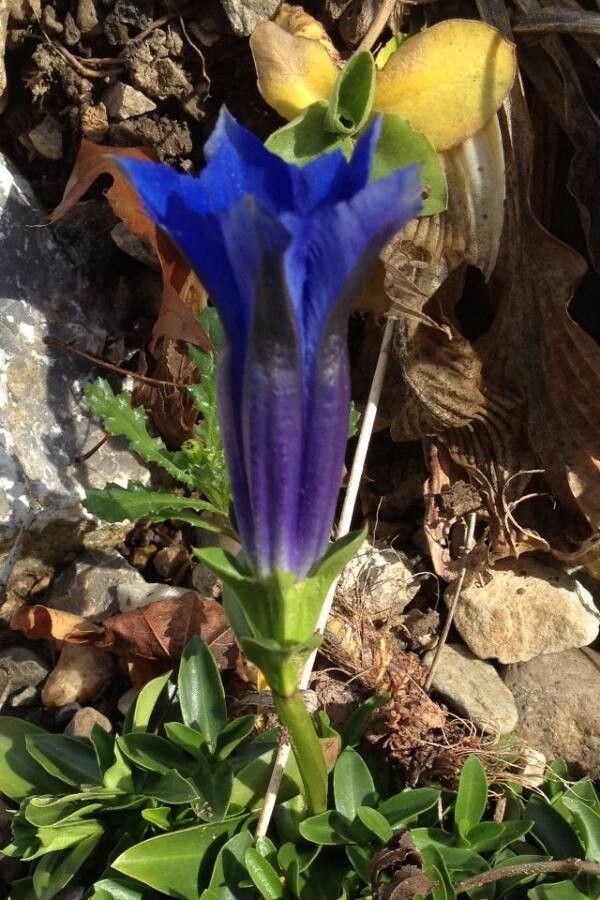
Unlocking the Secrets to Propagating the Exquisite Gentiana angustifolia
Gentiana angustifolia, with its captivating sky-blue, trumpet-shaped flowers, is a sight to behold. This alpine gem, also known as the Trumpet Gentian, can transform any rock garden or alpine trough into a mesmerizing display. While acquiring this beauty might be easier from a nursery, the satisfaction of propagating your own Gentiana angustifolia is unparalleled.
This guide delves into the different methods you can employ to propagate this stunning plant, unveiling the secrets to success and helping you cultivate more of these alpine treasures.
Understanding the Plant
Before diving into propagation, it’s crucial to understand the plant’s life cycle. Gentiana angustifolia is a perennial, meaning it lives for more than two years. It thrives in well-drained, slightly acidic soil and prefers full sun to partial shade. Understanding its preferred growing conditions is essential for successful propagation.
Methods of Propagation
While a bit more challenging than for some plants, propagating Gentiana angustifolia is achievable through two primary methods:
1. Seed Propagation:
- Seed Collection: Collect seeds from mature plants in late summer or early fall as seed pods turn brown and begin to split.
- Stratification: Gentiana angustifolia seeds require a period of cold stratification to simulate natural winter conditions. Sow seeds in a seed tray filled with a well-draining seed compost, lightly pressing them into the surface. Place the tray in a plastic bag and store it in the refrigerator for 6-8 weeks.
- Sowing: After stratification, remove the tray from the refrigerator and place it in a bright location out of direct sunlight. Keep the soil consistently moist but not waterlogged.
- Germination: Germination can be slow and erratic, taking anywhere from a few weeks to several months. Be patient and continue providing optimal moisture and light conditions.
- Transplanting: Once seedlings develop a few true leaves, carefully transplant them into individual pots filled with a well-draining potting mix. Harden them off gradually before planting them outdoors.
2. Basal Cuttings:
- Timing: The ideal time to take basal cuttings is in late spring or early summer when the plant is actively growing.
- Cuttings: Choose healthy, non-flowering shoots and use a sharp, sterilized knife or shears to take cuttings about 3-4 inches long. Make the cut just below a leaf node.
- Preparation: Remove the lower leaves from the cutting, leaving only 2-3 pairs of leaves at the top. Dip the cut end in rooting hormone to encourage root development.
- Planting: Plant the cuttings in a pot filled with a well-draining mix of peat moss and perlite or sand. Gently water them in and cover the pot with a clear plastic bag to create a humid environment.
- Rooting: Place the pot in a bright location out of direct sunlight and maintain consistent moisture. Rooting may take several weeks.
- Transplanting: Once the cuttings have developed a strong root system, carefully transplant them into individual pots or your desired outdoor location.
Tips for Success
- Be patient: Propagating Gentiana angustifolia takes time and patience. Don’t be discouraged if you don’t see results immediately.
- Provide optimal conditions: Ensure adequate light, moisture, and drainage throughout the propagation process.
- Protect from pests: Monitor for pests like slugs and snails, which are attracted to new growth.
Conclusion
Propagating Gentiana angustifolia might require a bit of effort, but the rewards are well worth it. By mastering these techniques, you can expand your collection of these exquisite alpine beauties and enjoy their captivating blue blooms year after year. So, embrace the challenge and embark on the rewarding journey of propagating your very own Gentiana angustifolia!