
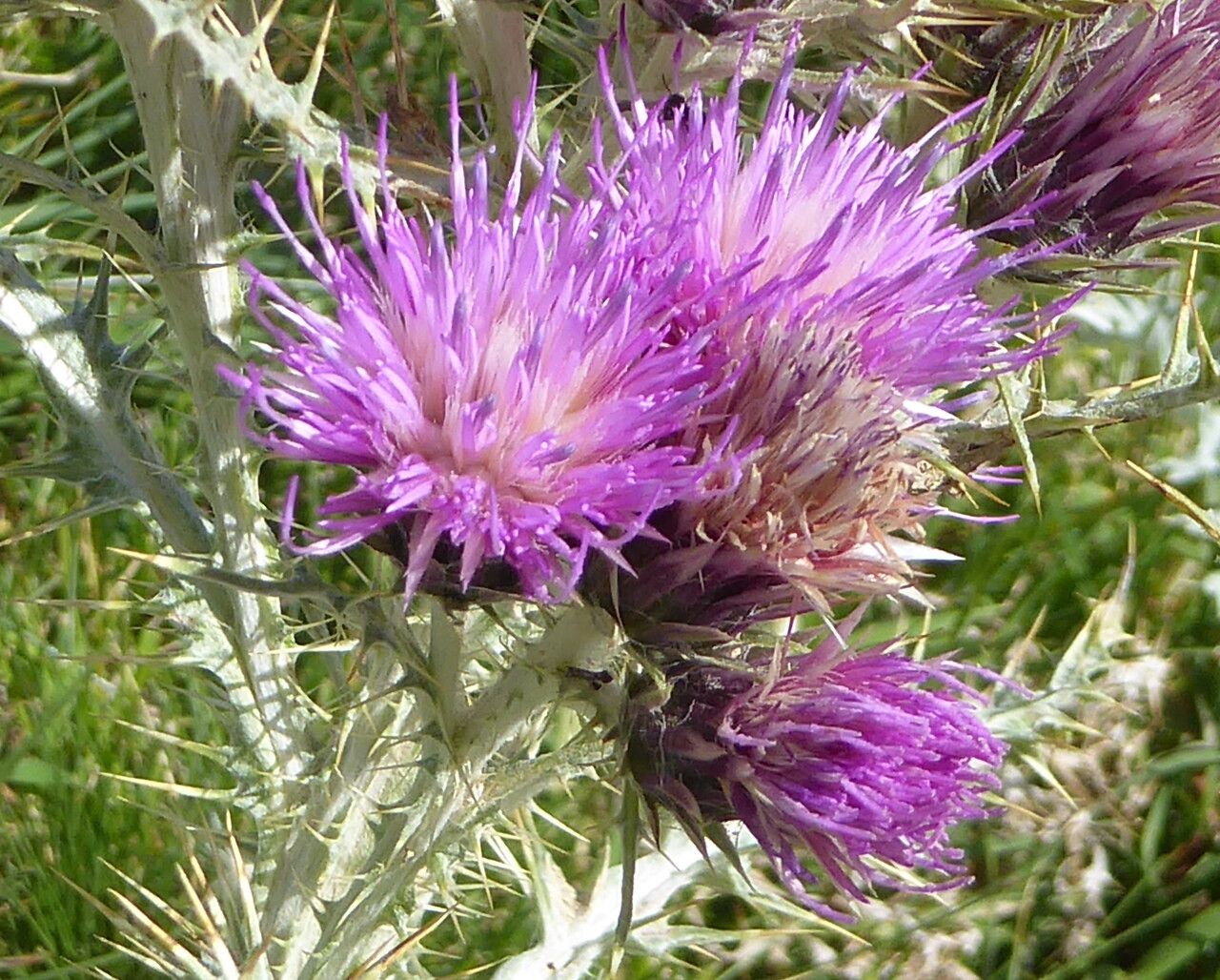
Taming the Thistle: A Guide to Propagating Carduus carlinoides
Carduus carlinoides, also known as the Dwarf Carline Thistle, might sound like something out of a medieval fairytale, but this charming little thistle is easier to invite into your garden than you might think. Unlike its larger, more unruly cousins, Carduus carlinoides stays compact, reaching a maximum height of around 30cm, making it ideal for rockeries, gravel gardens, or even containers. But how do you go about getting your hands on one of these diminutive thistles, and more importantly, how do you propagate them? Read on to unravel the mysteries of Carduus carlinoides propagation!
Seeds: Embracing the Thistle’s Wild Side
The most common method for propagating Carduus carlinoides is through seed. Fortunately, this thistle is a willing self-seeder, scattering its seeds with the help of the wind. But don’t worry, it’s not aggressively invasive. You can easily collect the seeds yourself in late summer or early autumn. Look for the fluffy seed heads – a sure sign that the seeds are mature and ready for dispersal.
Here’s how to sow your Carduus carlinoides seeds:
- Prepare your seed trays: Use a well-draining seed compost and moisten it evenly.
- Sow the seeds: Sprinkle the seeds thinly across the surface, aiming for a spacing of about 2-3cm.
- Light covering: Cover the seeds lightly with a fine layer of compost or vermiculite.
- Warm and bright: Place the tray in a warm, bright location, but out of direct sunlight.
- Patience: Germination can take anywhere from a couple of weeks to a couple of months, so be patient.
Transplanting: Giving Your Thistles Space to Thrive
Once your seedlings have developed their first set of true leaves, it’s time to transplant them into individual pots. Choose pots that are at least 10cm in diameter to give the young plants plenty of room to grow. When handling your seedlings, be sure to wear gloves as the thistles have prickles that can irritate the skin.
Division: Sharing the Thistle Love
If you already have a mature Carduus carlinoides plant, division is another method you can employ in spring or autumn. Here’s how:
- Lift the plant: Carefully lift the plant from the ground, ensuring you get as much of the root system as possible.
- Divide with care: Using a sharp knife or spade, carefully divide the plant into smaller sections, each with a good amount of roots and shoots.
- Replant: Replant the divided sections into their desired locations, ensuring they are at the same depth they were previously growing. Water them in well and watch them flourish.
Caring for Your Thistle Treasures
Carduus carlinoides is a relatively low-maintenance plant. It prefers a sunny location and thrives in well-drained soil. Once established, it’s fairly drought-tolerant and doesn’t require much watering. However, during particularly dry periods, providing some supplemental water will help keep your thistle looking its best.
By following these simple steps, you can successfully propagate Carduus carlinoides and enjoy the unique charm of this compact thistle in your garden. So, embrace the wild side and give this delightful thistle a try! You might be surprised by how easy it is to cultivate and how much visual interest it adds to your outdoor space.