
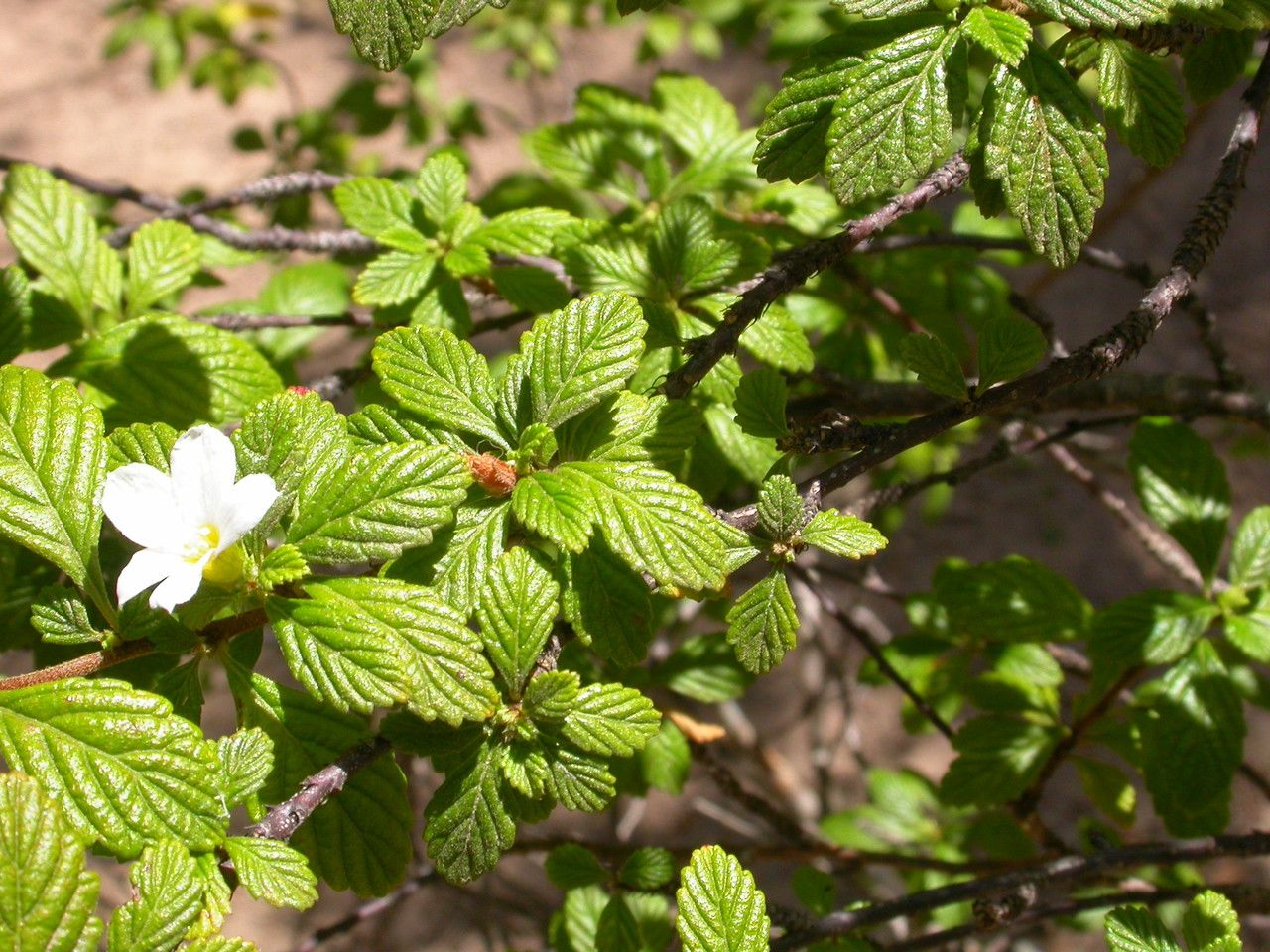
Unlocking the Secrets of the “Hairy Walnut”: Propagation Tips for Oxossia calyptrocarpa
The “Hairy Walnut,” scientifically known as Oxossia calyptrocarpa, is not your typical backyard tree. This rare and fascinating species, native to Australia, boasts distinctive “hairy” fruits that enclose edible nuts. If you’re intrigued by the prospect of nurturing this unique tree, understanding its propagation is key.
While information specifically for Oxossia calyptrocarpa is limited due to its rarity, we can draw from general propagation techniques used for trees in the same family (Proteaceae) and adapt them.
Seed Propagation: A Test of Patience
Harvesting: The first hurdle is obtaining viable seeds. The hairy walnut fruits need to be fully mature. Look for fruits that have fallen from the tree and have begun to dry. Carefully extract the seeds, ensuring they are free from any damage or pests.
Seed Dormancy: Like many Australian natives, Hairy Walnut seeds likely exhibit dormancy, a natural mechanism delaying germination. To break this dormancy, you can try the following:
- Scarification: Gently nick or sand the seed coat, being careful not to damage the embryo inside. This allows moisture to penetrate and trigger germination.
- Smoke Treatment: Briefly expose the seeds to smoke (using a specialized tool or by placing them near a smoking fire). Smoke contains chemicals that stimulate germination in some Australian natives.
- Warm Water Soaking: Soak the seeds in lukewarm water for 24 hours to soften the seed coat and potentially leach out germination inhibitors.
- Sowing: Plant the treated seeds in a well-draining seed-raising mix, lightly covering them with the medium. Maintain consistent moisture and a warm temperature (around 20-25°C or 68-77°F).
Germination can be erratic and may take several months, so patience is crucial.
Cutting Propagation: A Quicker Route?
Propagating from cuttings involves taking a piece of the parent plant and encouraging it to develop roots.
- Timing: The best time for taking cuttings is usually late spring or early summer when the plant is actively growing.
- Cutting Selection: Select healthy, semi-hardwood cuttings from the current season’s growth. These cuttings, approximately 4-6 inches long, should be taken from non-flowering branches.
- Hormone Treatment: Dipping the base of the cutting in rooting hormone powder can significantly increase the chances of successful root development.
- Planting: Insert the cutting into a well-draining potting mix, ensuring at least one node is buried. Cover the cutting loosely with a plastic bag or humidity dome to retain moisture.
Keep the cuttings in a warm, well-lit location out of direct sunlight and maintain consistent moisture.
Challenges and Considerations
It’s important to manage expectations when propagating Oxossia calyptrocarpa. The rarity of the species means there’s a lack of comprehensive propagation information, and success rates might vary.
Preserving a Unique Species
By learning about and experimenting with propagation techniques for Oxossia calyptrocarpa, we contribute to the understanding and conservation of this unusual species. While challenging, successfully growing a Hairy Walnut from seed or cutting can be an incredibly rewarding experience.