
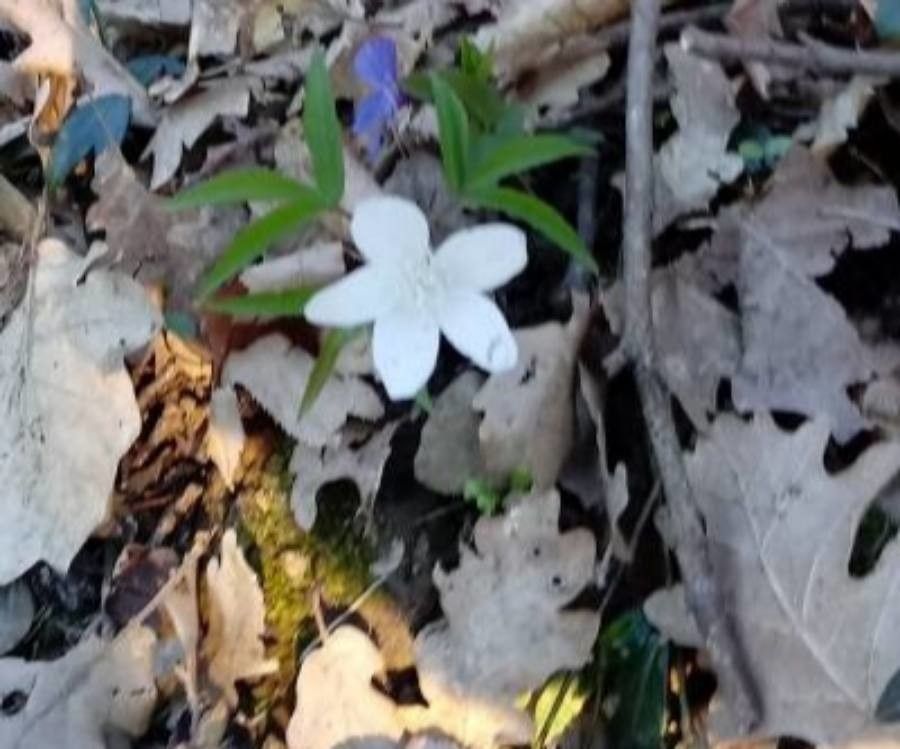
Propagating Anemonoides trifolia: A Gardener’s Guide to the Three-leaved Anemone
Introduction:
Anemonoides trifolia, commonly known as the three-leaved anemone or wood anemone, is a captivating spring ephemeral prized for its delicate, snow-white (occasionally pale pink or lilac) flowers and attractive, trifoliate leaves. Its charming appearance and relatively low maintenance requirements have made it a popular choice among gardeners, particularly those seeking woodland-style plantings. However, its propagation can present unique challenges, requiring patience and attention to detail. This article explores various methods, evaluating their viability and offering practical advice for successful cultivation.
Seed Germination:
Currently, there are no known reliable methods for seed germination propagation of Anemonoides trifolia. While the plant produces seeds, their germination rate is notoriously low and unpredictable, even under ideal conditions. Factors such as embryo dormancy and the delicate balance of moisture and temperature needed for successful germination appear to be significant hurdles. Further research is needed to establish viable seed germination protocols for this species.
Cuttings:
Cuttings are also generally considered an unreliable method for propagating Anemonoides trifolia. The plant’s delicate nature and the susceptibility of its cuttings to rot significantly reduce the success rate. While some anecdotal evidence suggests that root cuttings might show limited success, these results are not consistent enough to be considered a reliable propagation technique.
Division:
Division is the most reliable and commonly practiced method for propagating Anemonoides trifolia. The plant forms small clumps or colonies over time, allowing for division of these clumps during dormancy (late summer or early autumn).
Challenges: Careful handling is crucial to avoid damage to the delicate roots. Each division needs to include a healthy portion of rhizome with sufficient buds or shoots to ensure survival.
Tips: Use a sharp, clean knife or spade to divide the rhizomes. Plant the divisions immediately in well-drained, humus-rich soil in a partially shaded location. Ensure each division is adequately spaced to prevent overcrowding.
Rewards: Division offers a high success rate, allowing for a relatively quick increase in the number of plants. The method preserves the genetic characteristics of the parent plant.
Tissue Culture:
Tissue culture propagation offers the potential for large-scale multiplication of Anemonoides trifolia, though it requires specialized equipment, sterile conditions, and expertise in plant tissue culture techniques.
Challenges: Establishing sterile cultures and developing suitable media formulations for optimal shoot proliferation and rooting can present considerable hurdles. Contamination remains a significant risk, requiring careful attention to aseptic procedures.
Tips: Specialized knowledge and access to a laboratory equipped for plant tissue culture are essential. Protocols need to be optimized for Anemonoides trifolia, considering factors like media composition, light intensity, and temperature.
Rewards: Tissue culture offers the potential for producing disease-free plants and propagating rare cultivars on a large scale.
Conclusion:
Propagating Anemonoides trifolia presents unique challenges but is ultimately achievable, particularly through division. While seed germination and cuttings are not currently reliable methods, the rewards of successfully nurturing these charming plants from divisions or, potentially, through tissue culture are significant. The effort involved in mastering these techniques is rewarded by the satisfaction of nurturing these delicate wildflowers and contributing to their preservation. For aspiring propagators, starting with division is the most practical approach, honing skills and patience before exploring the complexities of tissue culture. The beauty and ethereal quality of these plants make the challenge well worth the effort.