
Propagating Anemonoides lancifolia: A Gardener’s Guide to the Lance-leaved Anemone
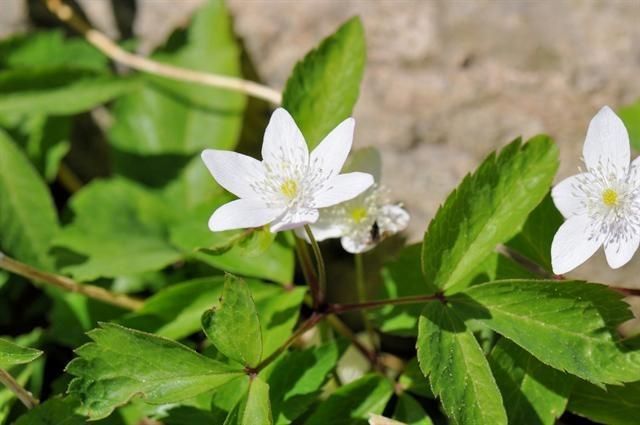
Anemonoides lancifolia, also known as the lance-leaved anemone or simply the wood anemone, is a charming woodland perennial prized for its delicate, white, bowl-shaped flowers that appear in early spring. Its graceful foliage, comprised of sharply-toothed, lance-shaped leaves, adds to its ornamental appeal. This relatively low-maintenance plant is a popular choice among gardeners for its ability to naturalize in shady areas, creating a captivating carpet of blooms. However, its propagation presents unique challenges and rewards, depending on the chosen method.
Seed Germination:
Currently, there are no known reliable methods for seed germination propagation of Anemonoides lancifolia. While the plant does produce seeds, their germination rate is notoriously low, and successful propagation from seed is considered unpredictable and unreliable. Further research into specific germination requirements might yield results in the future, but for now, relying on seed propagation is not recommended.
Cuttings:
Propagating Anemonoides lancifolia from cuttings presents significant challenges. The plant’s stems are quite brittle and don’t readily root. While some anecdotal evidence suggests possible success with softwood cuttings taken in early summer, the success rate is very low. Challenges include maintaining high humidity levels to prevent desiccation, using rooting hormone to encourage root development, and providing optimal conditions for root initiation, including warmth and consistent moisture. Even with these efforts, the success rate remains considerably low. The rewards, if successful, include obtaining genetically identical plants to the mother plant, but this method is largely considered impractical for most gardeners.
Division:
Division is the most reliable and commonly used method for propagating Anemonoides lancifolia. This involves carefully separating the plant’s rhizomes (underground stems) during dormancy (late autumn or early spring). Each division should contain several healthy buds to ensure successful establishment.
- Challenges: Incorrect division can damage the rhizomes, leading to plant failure. The rhizomes are somewhat fragile and need to be handled gently.
- Practical Tips: Use a sharp, clean knife or trowel to divide the rhizomes. Plant the divisions immediately in well-drained, moist soil in a shady location. Ensure each division is adequately spaced to prevent overcrowding.
- Rewards: Division offers a high success rate, is relatively easy to perform, and allows for quick increase in plant numbers. It’s the most efficient way to propagate larger quantities for gardeners or landscapers.
Tissue Culture:
Tissue culture propagation is a sophisticated technique that could theoretically be used for Anemonoides lancifolia, offering the potential for mass production of genetically identical plants. However, this method requires specialized equipment, sterile conditions, and expertise in plant tissue culture techniques.
- Challenges: This is a complex and expensive method requiring specialized knowledge and resources, making it unsuitable for the average home gardener.
- Practical Tips: This propagation method is best left to professional plant nurseries or research facilities.
- Rewards: Mass production of disease-free plants and the preservation of rare or desirable genotypes.
Conclusion:
Propagating Anemonoides lancifolia presents different levels of difficulty depending on the chosen method. While seed propagation is unreliable and cuttings challenging, division proves to be the most successful and practical approach for the home gardener. Tissue culture, though offering high propagation rates, remains an option mainly for professionals. The rewarding aspect of successfully propagating these delicate woodland gems lies in the satisfaction of nurturing them from a small division into a thriving clump, overcoming the inherent challenges to enjoy their ethereal spring blooms year after year. If you are an aspiring propagator, don’t be discouraged by the challenges. Start with division; it’s the most accessible and rewarding route to expanding your collection of these beautiful plants.