
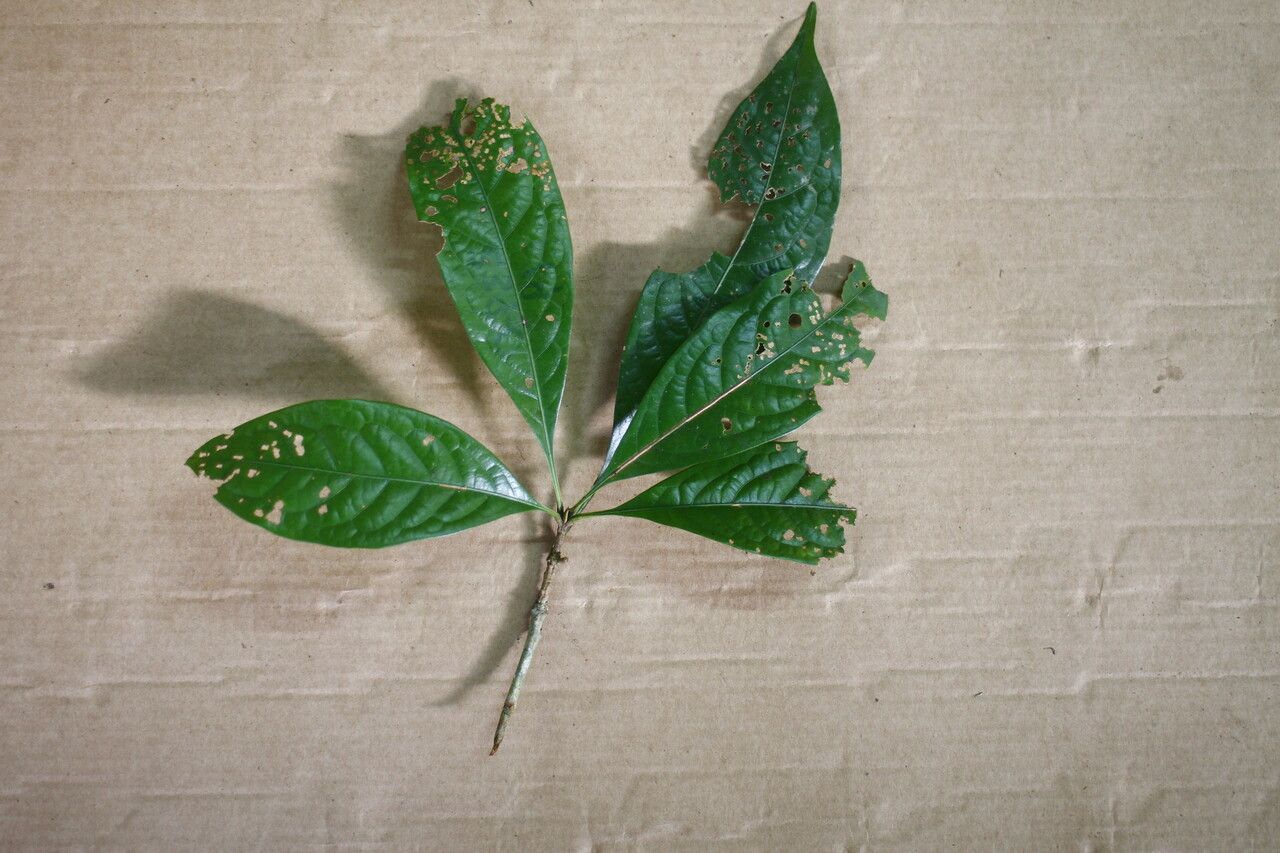
Propagating Aniba guianensis: A Guide to Cultivating the Brazilian Rosewood
Introduction:
Aniba guianensis, commonly known as Brazilian Rosewood or sometimes simply as rosewood, is a majestic tree prized for its rich, aromatic wood and its contribution to rainforest ecosystems. Its striking, often buttressed trunk and dense foliage make it a desirable addition to larger gardens where space allows, though its large size precludes it from most domestic settings. While not as commonly cultivated as some other species, its unique beauty and ecological importance have garnered increasing interest among horticulturists and conservationists, making successful propagation a crucial step in its preservation and wider appreciation. Propagating Aniba guianensis, however, presents distinct challenges due to its specific environmental needs and recalcitrant nature.
Seed Germination:
Currently, there are no known reliable methods for seed germination propagation of Aniba guianensis. While seeds may be produced, their viability is notoriously low, and germination rates are extremely poor, even under optimal conditions. Further research into pre-treatment techniques and germination requirements is necessary to establish a viable seed propagation method for this species.
Cuttings:
Propagating Aniba guianensis from cuttings presents significant challenges. The success rate is generally low due to the tree’s hardiness and the difficulty in rooting stem cuttings. Challenges include the susceptibility to fungal infections during the rooting phase and the long time required for root development.
- Challenges: Low success rate, fungal infections, slow rooting.
- Practical Tips: While not reliably successful, using semi-hardwood cuttings taken in late summer or early autumn, treating with rooting hormone, and providing a high-humidity environment with bottom heat may marginally improve chances. Using a well-draining propagation mix is crucial to avoid rot.
- Rewards: If successful, cuttings offer a relatively quick method of clonal propagation, preserving desirable genetic traits.
Division:
Division is not a viable propagation method for Aniba guianensis. This tree possesses a robust, deep taproot system, making division impractical and highly likely to result in the death of the plant.
Tissue Culture:
Tissue culture offers the best potential for reliable propagation of Aniba guianensis. This advanced technique allows for the creation of many genetically identical plants from a small sample of tissue.
- Challenges: Requires specialized equipment, sterile conditions, and expertise. Finding suitable growth media and identifying appropriate plant growth regulators for optimal shoot proliferation and root development are critical.
- Practical Tips: Collaborating with a research institution or commercial tissue culture laboratory is highly recommended due to the specialized nature of this technique.
- Rewards: High success rate, rapid multiplication of genetically identical plants, and the potential for mass production, particularly beneficial for conservation efforts and reforestation projects.
Conclusion:
Propagating Aniba guianensis presents a unique set of challenges. While seed germination has proven unreliable, and cuttings offer a low success rate, tissue culture emerges as the most promising method for reliable propagation. The rewards, however, are significant: the preservation of this ecologically important species, the ability to cultivate this magnificent tree in gardens and landscapes, and the contribution to reforestation efforts. The journey of successfully cultivating Aniba guianensis may require patience, persistence, and potentially access to specialized resources, but the beauty and significance of this tree make the effort worthwhile for the determined propagator. Don’t be discouraged by early setbacks; exploring tissue culture, or collaborating with experts, significantly increases the chances of success in growing this remarkable plant.