
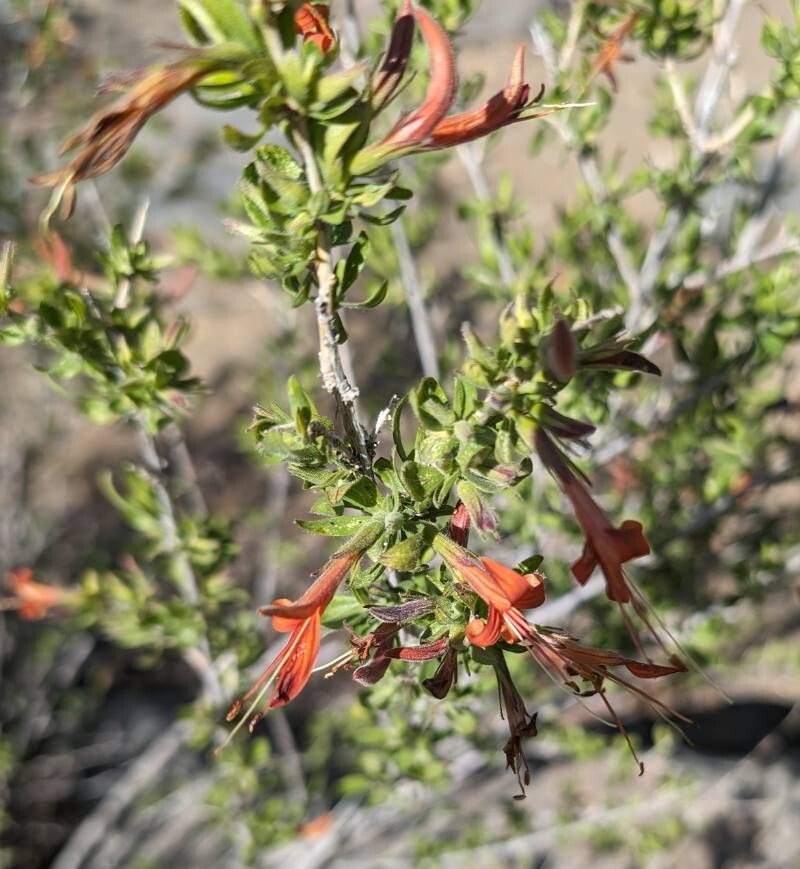
Propagating Anisacanthus thurberi: Bringing the Desert’s Fire to Your Garden
Anisacanthus thurberi, commonly known as Chuparosa, is a captivating shrub native to the southwestern United States and Mexico. This striking plant boasts vibrant, tubular flowers in shades of scarlet, orange, and crimson, attracting hummingbirds and adding a splash of desert intensity to any garden. Its tolerance to drought and full sun makes it a popular choice for xeriscaping, and its unique, almost architectural branching structure adds visual interest even when not in bloom. However, its propagation can present some challenges, making successful cultivation all the more rewarding.
Seed Germination:
Currently, there are no known reliable methods for seed germination propagation of Anisacanthus thurberi. While the plant does produce seeds, their germination rate is notoriously low, and successful germination in a controlled environment has not been consistently documented. Further research into specific seed treatments or germination requirements is needed to determine if this method can be made viable for widespread propagation.
Cuttings:
Cuttings represent a significantly more reliable method for propagating Anisacanthus thurberi.
Challenges: Success relies on proper timing and technique. Using semi-hardwood cuttings taken in late summer or early fall is crucial. Improper handling can result in rotting or fungal infections.
Practical Tips: Take 4-6 inch cuttings from non-flowering stems, removing lower leaves to prevent rot. Dip the cut ends in a rooting hormone powder before planting in a well-draining propagation mix (e.g., perlite and peat moss). Maintain high humidity—a humidity dome or regular misting is recommended—and ensure consistent moisture without overwatering. Rooting typically occurs within 4-6 weeks.
- Rewards: Cuttings offer a relatively quick and reliable method of producing genetically identical plants, preserving desirable traits. This is ideal for larger-scale propagation for landscaping projects or for sharing with fellow gardeners.
Division:
Division is a viable option for propagating established Anisacanthus thurberi plants.
Challenges: This method is only suitable for mature plants with well-developed root systems, limiting its applicability. Improper division can damage the plant’s roots, hindering its recovery.
Practical Tips: The best time for division is during the dormant season (late fall or early spring). Carefully dig up the plant, gently separate the root ball into smaller sections, ensuring each section has healthy roots and stems. Replant the divisions in well-prepared soil, ensuring adequate spacing. Water thoroughly after planting.
- Rewards: Division offers a relatively quick way to increase the number of plants, and, similar to cuttings, preserves the parent plant’s genetics.
Tissue Culture:
Tissue culture offers the potential for large-scale propagation of Anisacanthus thurberi, potentially overcoming the limitations of germination and offering disease-free plants.
Challenges: Tissue culture requires specialized equipment, sterile conditions, and expertise in plant tissue culture techniques. It is the most complex and expensive method.
Practical Tips: Establishing sterile cultures and selecting appropriate growth media are critical steps. The use of growth regulators is usually necessary to induce shoot and root development.
- Rewards: Tissue culture allows for rapid multiplication of genetically identical plants, producing a large number of plants from a small starting material. This method can ensure disease-free plants and is valuable for rare or endangered cultivars.
Conclusion:
Propagating Anisacanthus thurberi presents a diverse range of challenges and rewards depending on the chosen method. While seed propagation remains unreliable, cuttings and division provide practical alternatives for the home gardener. Tissue culture offers a potentially high-yield approach but demands significant expertise and resources. The process, regardless of method, necessitates patience and attention to detail; the eventual success, however, is profoundly satisfying. Knowing that you have successfully nurtured a vibrant, hummingbird-attracting Chuparosa from a cutting or division, born from your own care and effort, is a unique reward that surpasses the ease of purchasing a mature plant. So, embrace the challenge, experiment with the methods that suit your resources and skills, and enjoy the journey of cultivating this fiery desert gem.