
Propagating Madeira Vine: A Gardener’s Guide to Anredera cordifolia
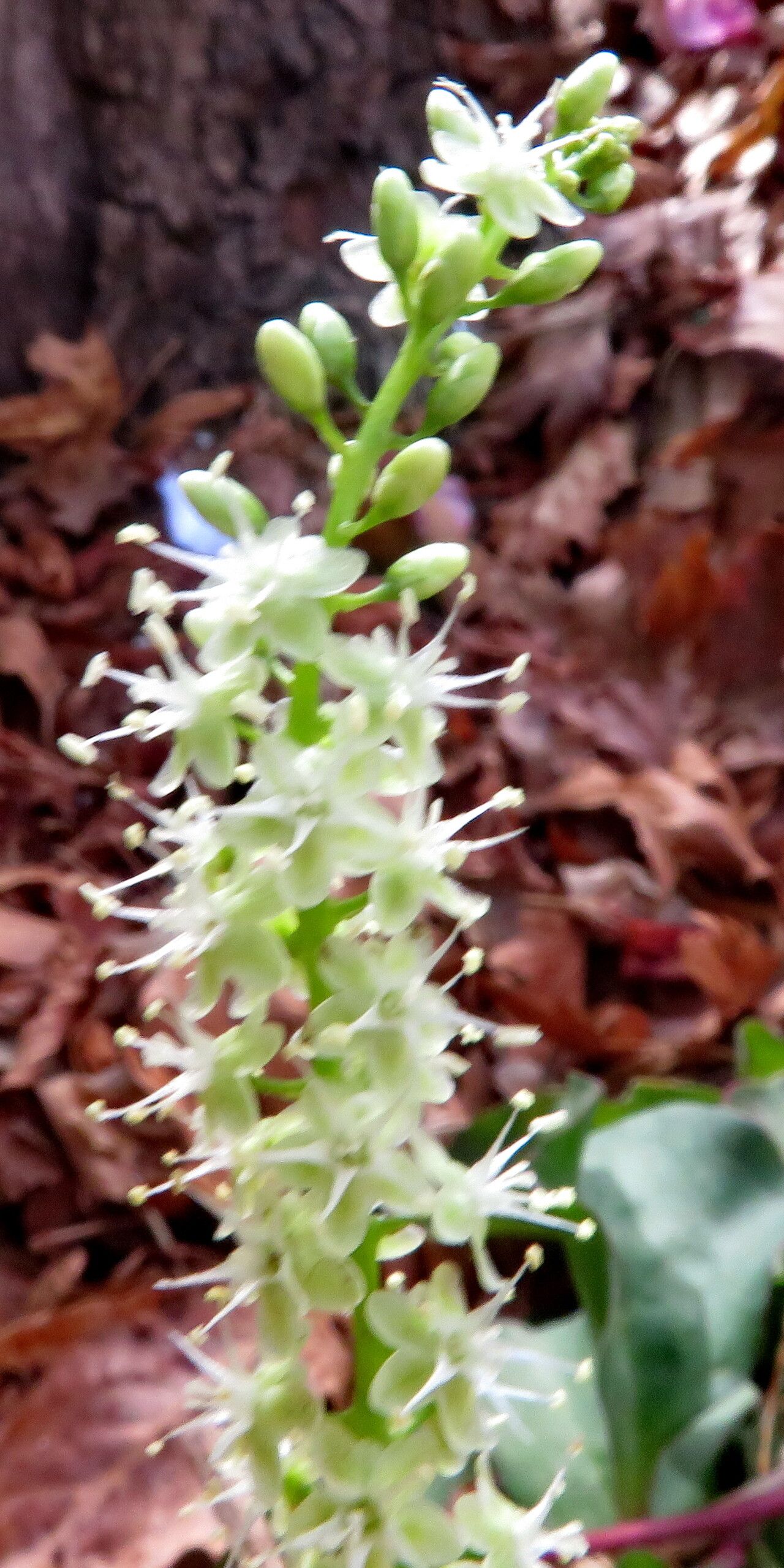
Anredera cordifolia, commonly known as Madeira vine, Madeira winter vine, or mignonette vine, is a vigorous, perennial climbing plant prized for its rapid growth and heart-shaped leaves. Its delicate, small white flowers are followed by small, edible berries, adding to its horticultural appeal. Its tenacious nature, however, also makes it a potentially invasive species in some regions, a factor gardeners should consider. While its prolific growth is a boon in some contexts, it also presents a unique set of challenges when it comes to propagation. This article explores different methods for propagating Anredera cordifolia, weighing their advantages and disadvantages.
Seed Germination:
Currently, there are no known reliable methods for seed germination propagation of Anredera cordifolia. While the plant produces seeds, germination rates are notoriously low, and successful propagation from seed is rarely reported. The challenges likely stem from seed dormancy mechanisms that haven’t been effectively overcome.
Cuttings:
Cuttings offer a highly successful method for propagating Madeira vine. This is by far the most reliable and commonly used technique.
- Challenges: While generally easy, the success rate can depend on factors like the age and health of the parent plant, the timing of the cutting, and the quality of the rooting medium. Overwatering can lead to rot.
- Practical Tips: Take semi-hardwood cuttings of approximately 10-15 cm in length, removing lower leaves to prevent rot. Dip the cut end in rooting hormone to encourage root development. Plant the cuttings in a well-draining potting mix consisting of peat moss and perlite, keeping the soil consistently moist but not waterlogged. Place the cuttings in a humid environment, ideally under a propagator or covered with a plastic bag to maintain high humidity. Rooting typically takes several weeks.
- Rewards: Cuttings provide a quick way to produce many plants, maintaining the exact genetic characteristics of the parent plant. This is ideal for preserving desirable traits and scaling up propagation efforts efficiently.
Division:
Division is another viable method for propagating Anredera cordifolia. This is best done during the dormant period (depending on your climate).
- Challenges: Successful division relies on carefully separating the plant’s extensive root system without damaging the individual sections. Each section needs sufficient roots and shoots to establish itself. Careless division can result in weakened plants that struggle to survive.
- Practical Tips: Carefully dig up the parent plant, making sure to unearth as much of the root system as possible. Gently separate the plant’s rhizomes into smaller divisions, ensuring each section has several healthy shoots and a substantial portion of roots. Replant the divisions immediately in well-prepared soil. Ensure each division has enough space to avoid overcrowding.
- Rewards: Division offers a potentially quick propagation method, especially when dealing with established, mature plants. It allows the gardener to effectively increase the number of plants without waiting for cuttings to root.
Tissue Culture:
Tissue culture is theoretically possible but rarely utilized for Anredera cordifolia propagation.
- Challenges: Establishing a sterile culture and optimizing the growth medium for consistent shoot multiplication would require specialized laboratory facilities and expertise, making this method extremely challenging and expensive for the average home gardener.
- Practical Tips: This is not a DIY method and requires substantial investment in equipment and knowledge. Consult with tissue culture experts for detailed protocols.
- Rewards: Tissue culture offers the potential for large-scale propagation and the elimination of pathogens, but its complexity and cost make it impractical for most situations.
Conclusion:
Propagating Anredera cordifolia presents both challenges and rewards. While seed germination is unreliable, cuttings and division are effective methods readily accessible to home gardeners. The relative ease of vegetative propagation, contrasted with the difficulty, if not impossibility, of successful seed propagation, highlights the plant’s unique attributes. The satisfaction of successfully cultivating this vigorous vine, overcoming the initial hurdles of propagation, is immensely rewarding. Aspiring propagators should start with the cutting method—a reliable and rewarding way to enjoy the beauty and unique characteristics of Madeira vine. Remember to consider the plant’s invasive potential and choose your planting location accordingly.