
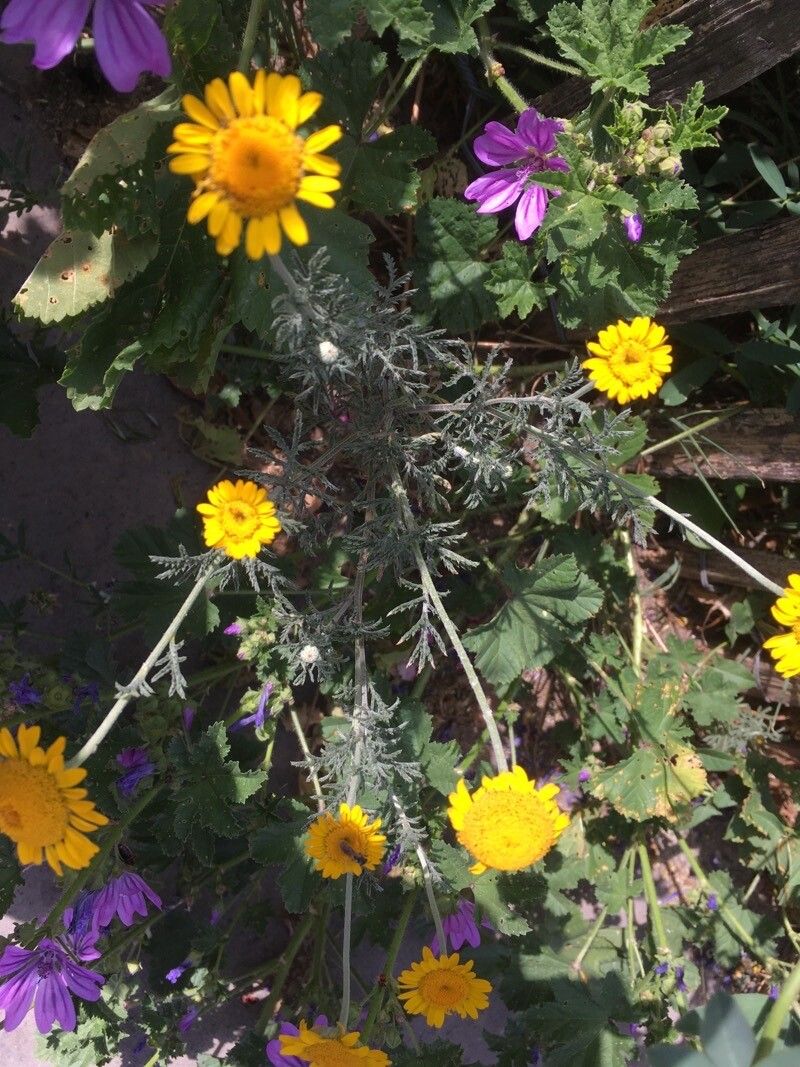
Propagating Anthemis chrysantha: Golden Marguerite’s Challenges and Rewards
Anthemis chrysantha, commonly known as the Golden Marguerite, is a captivating perennial boasting vibrant, golden-yellow daisy-like flowers. Its striking blooms and relatively low maintenance requirements have garnered it significant popularity among gardeners. However, successfully propagating this beauty presents certain challenges, making the process all the more rewarding. Its unusual propagation quirks, compared to other members of the Anthemis genus, warrant a detailed exploration of various techniques.
Seed Germination:
Currently, there are no known reliable methods for seed germination propagation of Anthemis chrysantha. While the plant produces seeds, their germination rate is notoriously low, and even under optimal conditions, success is unpredictable. This is likely due to factors like dormancy mechanisms within the seed itself, requiring further research to unlock consistent germination.
Cuttings:
Propagation via cuttings offers a more reliable method than seed germination.
Challenges: Rooting cuttings of Anthemis chrysantha can be slow and inconsistent. Success rates are improved when using semi-hardwood cuttings taken in late summer or early autumn.
Practical Tips: Take cuttings of approximately 4-6 inches long, removing lower leaves to prevent rot. Dip the cut ends in rooting hormone powder to stimulate root development. Plant the cuttings in a well-draining propagation mix, keeping it consistently moist but not waterlogged. A humidity dome or propagation tray can significantly improve rooting success.
Rewards: Cuttings preserve the exact genetic characteristics of the mother plant, ensuring uniformity in the resulting plants. This is especially valuable if you have a particularly desirable cultivar.
Division:
Division is arguably the most successful and straightforward propagation method for Anthemis chrysantha.
Challenges: Division is best done in the early spring or autumn, during periods of cooler temperatures and before new growth initiates. Mature, established plants (at least 3 years old) are essential for successful division. Improper division can damage the plant, leading to poor establishment or even death.
Practical Tips: Carefully dig up the established plant, gently separating the root ball into individual crowns with their own root systems and several shoots. Replant the divisions immediately, ensuring sufficient spacing. Water thoroughly after planting.
Rewards: Division provides a rapid way to increase the number of plants, maintaining the desired characteristics of the parent plant.
Tissue Culture:
Tissue culture offers a highly controlled environment for propagation.
Challenges: Tissue culture requires specialized equipment, sterile conditions, and a thorough understanding of plant tissue culture techniques. This method is expensive and time-consuming. Successful protocols for Anthemis chrysantha are not widely available, necessitating potentially significant experimentation.
Practical Tips: Developing a successful protocol requires expertise in plant tissue culture and likely experimentation with various media components and growth regulators.
Rewards: Like cuttings, tissue culture allows for the mass production of genetically identical plants, preserving desirable traits. It is also useful for rapidly multiplying plants from rare or endangered cultivars.
Conclusion:
Propagating Anthemis chrysantha presents unique challenges, with seed germination proving largely unreliable. Cuttings, though offering a viable option, require patience and careful technique. Division, however, emerges as the most readily accessible and successful method for the home gardener. While tissue culture holds significant potential, the expertise and resources required make it less practical for most hobbyists. The inherent difficulties in propagating Golden Marguerite underscore its special qualities; the satisfaction of successfully nurturing these plants, overcoming the inherent hurdles, far outweighs the effort. For aspiring propagators, we strongly recommend starting with the simpler division method, gradually exploring cuttings as experience and confidence grow. The vibrant reward of a flourishing Golden Marguerite in your garden is the perfect testament to your horticultural dedication.