
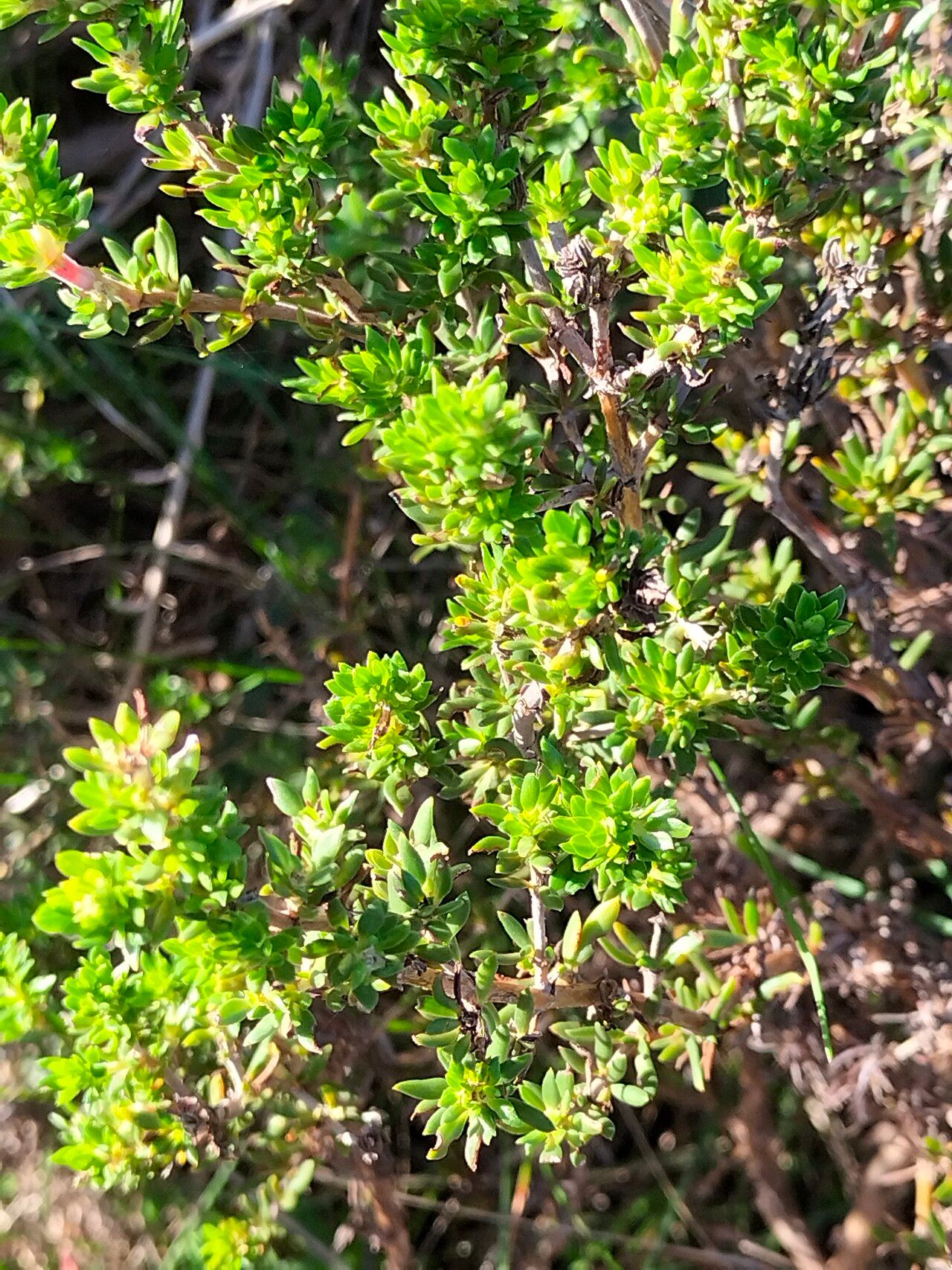
Propagating Anthospermum aethiopicum: A Gardener’s Guide
Anthospermum aethiopicum, commonly known as Cape Snowflower, is a charming, low-growing shrub prized for its delicate, star-shaped white flowers that bloom profusely in winter. Its fine foliage and ability to thrive even in harsh conditions make it a popular choice among gardeners, particularly those seeking drought-tolerant and low-maintenance options. However, its propagation presents some unique challenges, making successful cultivation a rewarding experience.
Seed Germination:
Currently, there are no known reliable methods for seed germination propagation of Anthospermum aethiopicum. While seeds may be produced, their germination rate is exceptionally low, and successful germination under cultivated conditions has not been widely documented. Further research into specific stratification techniques and germination requirements would be necessary to determine the viability of this propagation method.
Cuttings:
Cuttings represent a potentially more viable method for propagating Anthospermum aethiopicum.
Challenges: Success with cuttings often depends on timing and technique. The ideal time for taking cuttings is likely during the spring or early summer when the plant is actively growing. Hardwood cuttings may be less successful than semi-hardwood cuttings.
Practical Tips: Take 8-10cm semi-hardwood cuttings from healthy, actively growing stems. Remove lower leaves and treat the cut ends with a rooting hormone. Plant the cuttings in a well-draining propagation mix, ensuring good humidity levels using a propagator or covering the cuttings with a clear plastic bag. Maintain consistent moisture but avoid overwatering, which can lead to rotting.
Rewards: Successfully rooting cuttings offers a relatively quick way to increase the number of plants, preserving the genetic characteristics of the parent plant. This is particularly useful for propagating desirable cultivars.
Division:
Division of established Anthospermum aethiopicum plants is a feasible method, particularly for larger, well-rooted specimens.
Challenges: Care must be taken to avoid damaging the roots during division, which can stress the plant and reduce its chances of survival. The plant must be sufficiently large and established to be successfully divided.
Practical Tips: The best time for division is during the spring or early autumn. Gently dig up the plant and carefully separate it into smaller sections, ensuring each section has sufficient roots and foliage. Replant the divisions immediately, ensuring good soil contact and adequate watering.
Rewards: Division allows for rapid propagation of established plants, resulting in multiple plants that are genetically identical to the parent.
Tissue Culture:
Tissue culture presents a potential, albeit complex, method for propagating Anthospermum aethiopicum.
Challenges: Tissue culture requires specialized equipment, aseptic techniques, and expertise in plant tissue culture procedures. It is a time-consuming and costly method. Finding optimal media and growth regulators for Anthospermum aethiopicum would require experimentation.
Practical Tips: While details are unavailable without specific research on this species, general tissue culture methods involving shoot-tip or nodal segment cultures could be investigated.
Rewards: Tissue culture offers the potential for large-scale propagation and the ability to produce disease-free, genetically uniform plants.
Conclusion:
Propagating Anthospermum aethiopicum presents hurdles; seed germination is currently unreliable. Cuttings and division are more likely to succeed with careful attention to techniques and timing. Tissue culture offers high potential but requires specialized knowledge and resources. The success of any method requires patience, attention to detail, and a good understanding of the plant’s needs. Despite the challenges, the satisfaction of nurturing a cutting into a thriving plant, or successfully dividing a mature specimen, is a unique reward. The delicate beauty of the Cape Snowflower, once achieved, makes the effort worthwhile. Aspiring propagators should start with cuttings or division and proceed to tissue culture only after gaining practical experience.