
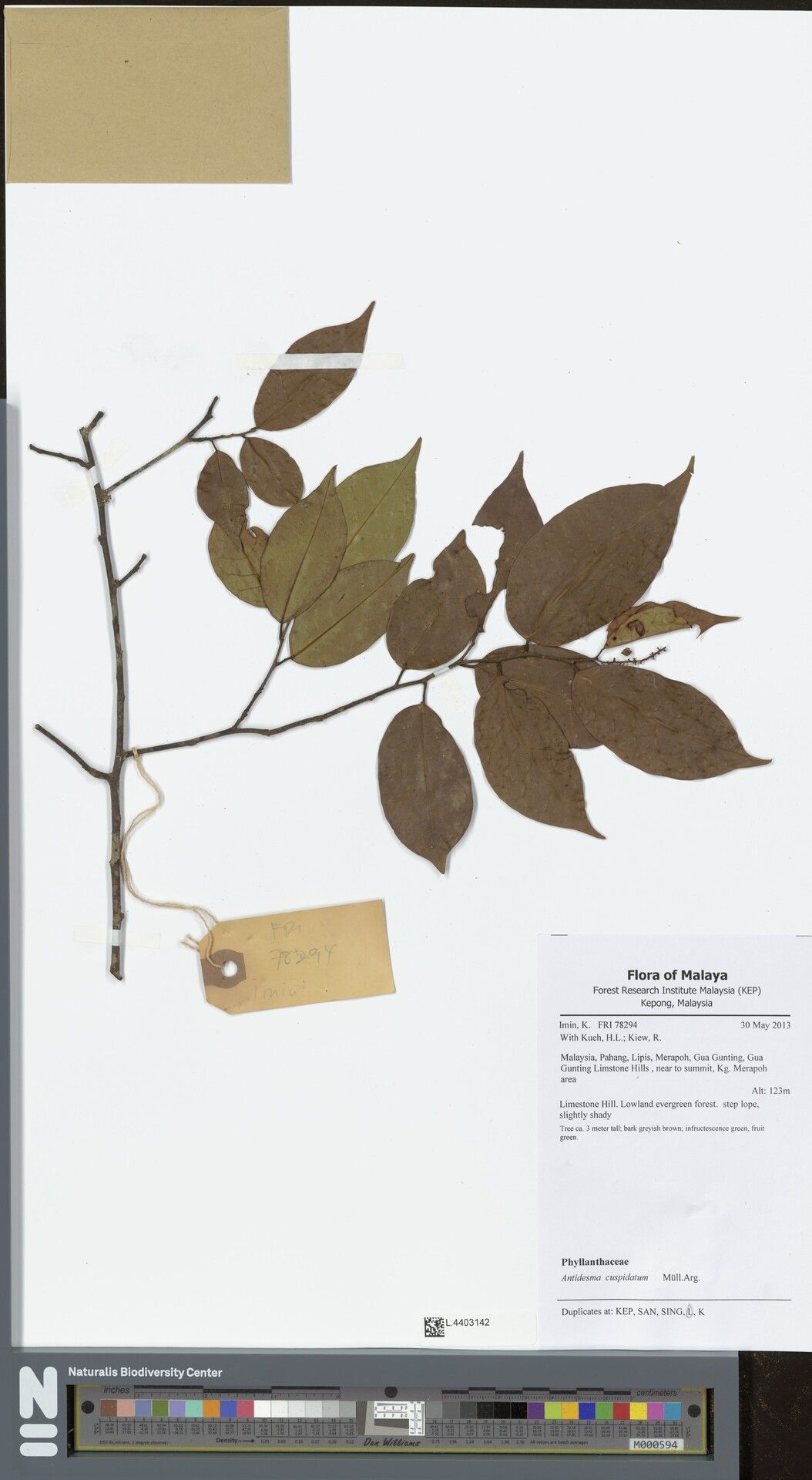
Propagating Antidesma cuspidatum: A Gardener’s Challenge
Antidesma cuspidatum, commonly known as the shrubby antidesma or coral bush, is a captivating plant prized for its striking appearance. Its clusters of vibrant red berries, contrasting against its glossy green foliage, make it a desirable addition to any garden. However, propagating this intriguing species presents a unique set of challenges and rewards for the dedicated gardener. Its relative rarity in cultivation contributes to the interest around its propagation.
Seed Germination:
Currently, there are no known reliable methods for seed germination propagation of Antidesma cuspidatum. While seeds may be produced, their dormancy and germination requirements remain largely unstudied. Further research is needed to determine if specific pre-treatments, such as scarification or stratification, could improve germination rates. The potential reward of using seeds, however, is significant: it would offer the possibility of obtaining genetically diverse plants and achieving large-scale propagation more economically than other methods.
Cuttings:
Propagating Antidesma cuspidatum via cuttings shows some promise. The challenges lie in achieving a high success rate. Hardwood cuttings, taken in late autumn or winter from mature, dormant branches, might yield better results than softwood cuttings. The use of rooting hormone is highly recommended, and maintaining high humidity (e.g., using a propagation cloche or misting frequently) is crucial for success. The planting medium should be well-draining yet consistently moist. Patience is key, as rooting may take several months. The reward for successful cutting propagation is the ability to produce genetically identical plants, which is particularly useful for maintaining desirable cultivars.
Division:
Division is a viable option only if the Antidesma cuspidatum plant is already established and has developed multiple stems from its base. Careful division, ensuring each section has a robust root system, is essential for successful establishment. Replanting divided sections immediately after division, and providing ample watering and shading during the initial establishment period, maximizes chances of survival. This method, while simple for established plants, is limited by the availability of mature, multi-stemmed specimens. The benefit is its relative speed and ease compared to other methods.
Tissue Culture:
Tissue culture offers the potential for mass propagation of Antidesma cuspidatum. However, this method requires specialized equipment, a sterile work environment, and a detailed understanding of plant tissue culture techniques. Identifying appropriate growth media and hormones is crucial. The rewards are significant – large-scale production of disease-free plants and the preservation of genetic material. However, the high initial investment and specialized knowledge required make this technique less accessible to the average home gardener.
Conclusion:
Propagating Antidesma cuspidatum presents distinct challenges across all methods. Seed propagation currently appears infeasible. Cuttings offer a more practical approach for home gardeners but require patience and attention to detail. Division is viable only for established plants. While tissue culture offers the best chance for mass propagation, it requires advanced expertise and resources.
The unique satisfaction of successfully cultivating this beautiful shrub comes from overcoming these challenges. The vibrant red berries and glossy foliage are a richly deserved reward for the persistent gardener. For aspiring propagators, I recommend starting with softwood or hardwood cuttings and focusing on maintaining consistent moisture and humidity. Don’t be discouraged by initial setbacks; the journey of propagation is as rewarding as the final result. Through careful attention and persistence, the beauty of Antidesma cuspidatum can flourish in your garden.