
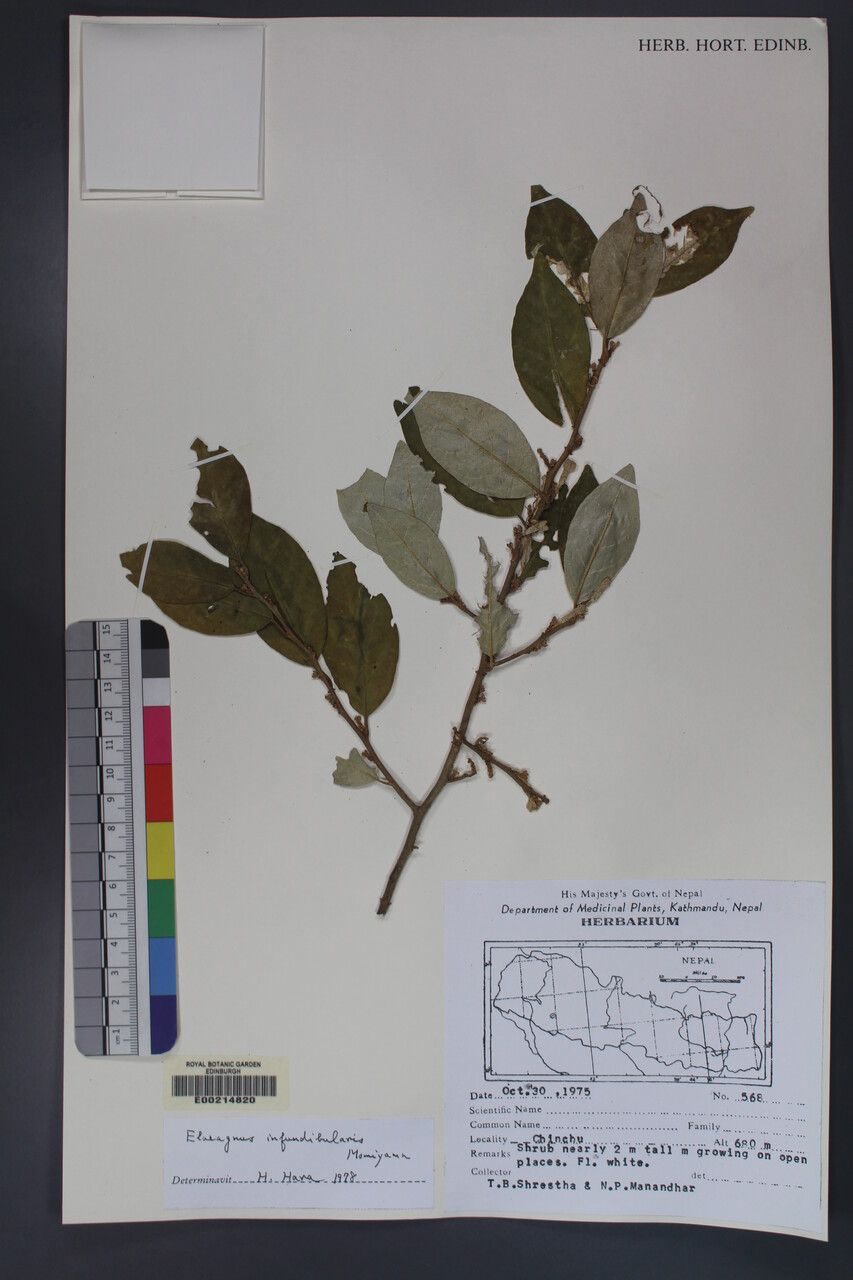
Unveiling the Secrets of Elaeagnus Infundibularis Propagation: A Guide for Gardeners
Elaeagnus infundibularis, also known as the funnel silverberry, is a deciduous shrub prized for its silvery foliage, fragrant flowers, and ability to thrive in challenging conditions. If you’re enchanted by this resilient beauty and want to expand its presence in your garden, understanding its propagation methods is key. While not as common as other landscape shrubs, propagating Elaeagnus infundibularis is achievable with a bit of patience and the right techniques.
Three Paths to Propagation Success
1. Seed Propagation: Embracing the Element of Time
Propagating Elaeagnus infundibularis from seed offers a rewarding, albeit lengthy, journey. Here’s how:
- Harvesting: Collect ripe fruits in the fall and extract the seeds.
- Stratification: Mimic winter conditions by storing seeds in a moist medium like vermiculite in the refrigerator for 60-90 days.
- Sowing: In spring, sow seeds about 1/2 inch deep in a well-draining seed starting mix.
- Patience: Germination can be slow and sporadic, sometimes taking several months.
2. Semi-Hardwood Cuttings: A Quicker Route to New Plants
For faster results, semi-hardwood cuttings taken in late summer or early fall offer a higher success rate. Here’s a step-by-step guide:
- Cuttings: Select healthy, non-flowering stems from the current year’s growth. Cut sections about 4-6 inches long, making the cut just below a leaf node.
- Preparation: Remove the lower leaves, leaving 2-3 pairs at the top. Dip the cut end in rooting hormone to encourage root development.
- Planting: Insert cuttings into a pot filled with a moist, well-draining rooting mix.
- Environment: Cover the pot with a plastic bag or use a humidity dome to maintain moisture. Place in a warm, bright location out of direct sunlight.
- Rooting: Cuttings should root within 6-8 weeks. Once rooted, you can transplant them into individual pots.
3. Layering: Letting Nature Lend a Hand
Layering is a natural propagation method that takes advantage of the plant’s ability to root from its stems while still attached to the parent plant.
- Selection: Choose a flexible, low-growing branch in spring.
- Wounding: Make a small wound on the underside of the branch.
- Bending and Burying: Bend the branch gently and bury the wounded section in the soil. Use a rock or landscape pin to secure it.
- Patience: Leave the layered branch undisturbed for a full growing season. By the following spring, roots should have developed.
- Separation: Carefully sever the rooted branch from the parent plant and transplant it.
Tips for Success
- Well-draining soil is essential for Elaeagnus infundibularis, as it is susceptible to root rot.
- These shrubs prefer a sunny location but can tolerate partial shade.
- Water regularly during the first year after planting to establish a strong root system.
Propagating Elaeagnus infundibularis might require some effort, but the rewards are well worth it. By following these techniques and embracing the plant’s natural resilience, you can welcome more of these captivating shrubs into your garden, enjoying their beauty and versatility for years to come.