
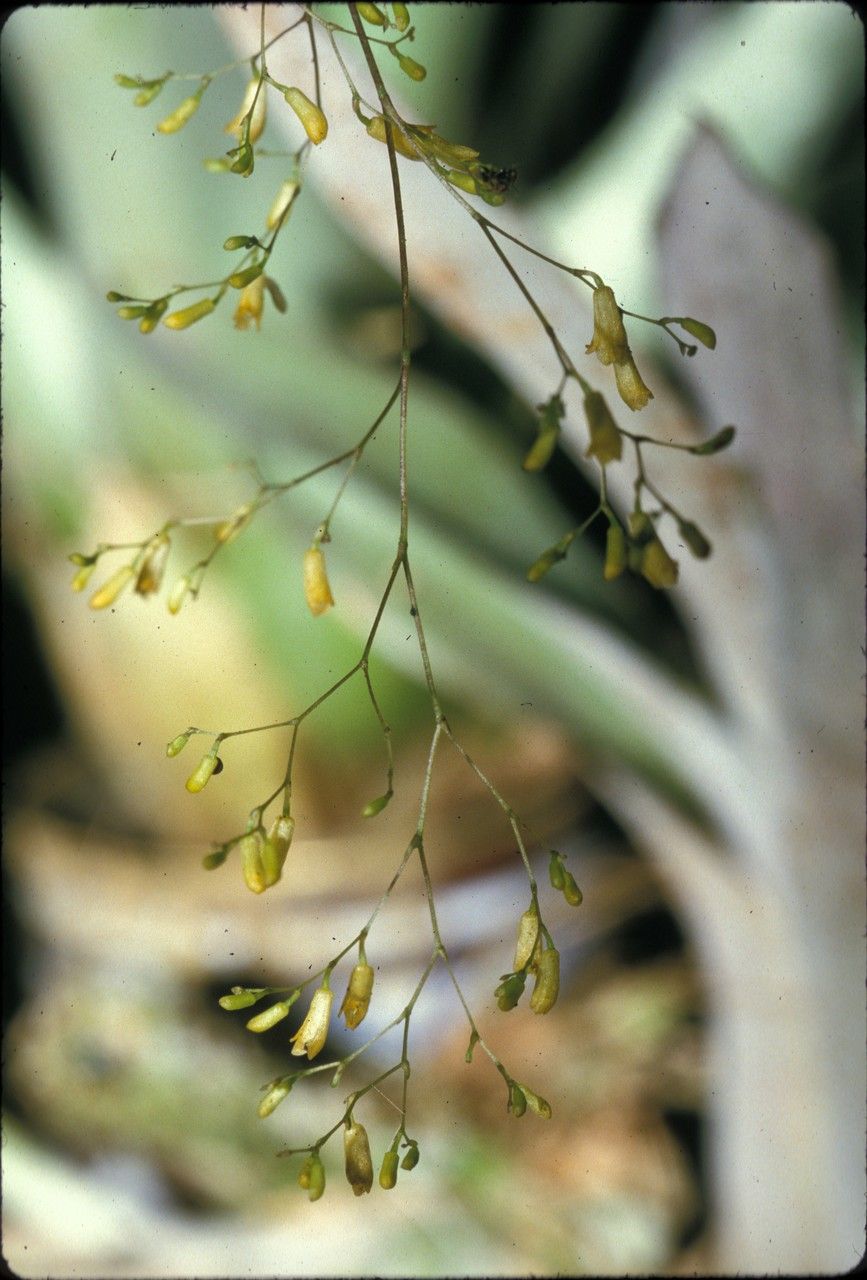
Unlocking the Miniature Marvel: Propagating the Tiny Dancer Orchid (Quekettia microscopica)
The orchid world is a captivating one, filled with diverse blooms boasting intricate patterns and captivating colors. But within this world of grandeur, there exists a miniature marvel that steals hearts with its diminutive charm – the Quekettia microscopica, also known as the Tiny Dancer Orchid. While its size may fool you, this epiphytic orchid, native to the rainforests of South America, possesses a delicate beauty and an intriguing propagation process that captures the imagination of orchid enthusiasts.
Before diving into propagation, it’s important to understand the unique nature of this miniature orchid. True to its name, Quekettia microscopica is tiny! Its pseudobulbs, small storage organs, are often no larger than a grain of rice, with delicate leaves that resemble tiny blades of grass. This orchid thrives in warm, humid environments, mimicking its natural rainforest habitat.
Propagating the Tiny Dancer, while slightly challenging, is a rewarding endeavor for dedicated orchid lovers. Here’s a look at the two most common methods:
1. Division:
This method involves separating mature clumps of the orchid into smaller divisions.
- Timing is Key: The ideal time for division is during the spring growth period when the orchid is actively producing new roots.
- Gentle Separation: Carefully remove the plant from its pot and gently tease apart the pseudobulbs, ensuring each division has at least 3-4 healthy pseudobulbs with attached roots.
- Potting Up: Plant each division in a well-draining orchid mix, ensuring the base of the pseudobulbs sits slightly above the potting medium.
- Patience is a Virtue: Keep the newly potted divisions in a warm, humid environment with indirect light. Water sparingly until new growth emerges, indicating successful establishment.
2. Back Bulbs:
Quekettia microscopica occasionally produces small back bulbs, miniature versions of the mature pseudobulbs. These back bulbs offer another avenue for propagation.
- Careful Removal: Once a back bulb develops noticeable roots, it can be carefully detached from the mother plant.
- Specialized Care: Plant the back bulb in a separate pot with a fine-grade orchid mix, providing it with similar conditions as mature orchids.
- Gradual Development: Be patient, as back bulbs can take months or even a year to develop into blooming-sized plants.
Essential Tips for Success:
- Mimicking the Rainforest: Maintaining a warm, humid environment is crucial. Consider using a humidity tray, placing the orchid near a humidifier, or growing it in a terrarium to replicate its natural habitat.
- Bright, Indirect Light: Place your Tiny Dancer in a location with bright, indirect light. Direct sunlight can scorch its delicate leaves.
- Air Flow is Key: Ensure good air circulation around the plant to prevent fungal issues, which can be detrimental to these miniature orchids.
- Patience, Patience, Patience: Propagation of Quekettia microscopica takes time and dedication. Be patient and don’t get discouraged if you don’t see results immediately.
Successfully propagating this miniature orchid species is a true testament to an orchid grower’s patience and dedication. The process, though requiring a gentle touch and a watchful eye, yields the immense satisfaction of watching these tiny dancers flourish and eventually grace your growing space with their miniature blooms – a testament to the wonders hidden within the miniature marvels of the orchid world.