
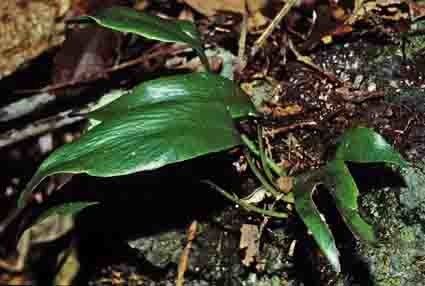
Propagating the Tongue Fern: A Guide to Antrophyum plantagineum
Introduction
Antrophyum plantagineum, commonly known as the tongue fern or lance fern, is a captivating epiphytic fern prized for its unique, strap-like fronds and relatively low maintenance requirements. Its simple elegance makes it a popular choice among both seasoned fern enthusiasts and beginner gardeners. However, its propagation presents some interesting challenges, making successful cultivation a rewarding experience. Unlike many ferns that readily spread via spores, Antrophyum plantagineum propagation is primarily achieved through vegetative methods, although success rates can vary.
Seed Germination:
Currently, there are no known reliable methods for seed germination propagation of Antrophyum plantagineum. While the plant does produce spores, these are notoriously difficult to germinate under standard horticultural conditions. Further research into specialized techniques might be needed to achieve successful seed germination.
Cuttings:
Cuttings are also not a particularly effective method for propagating Antrophyum plantagineum. While some limited success might be achieved by taking stem cuttings and placing them in moist, humid conditions, the chances of rooting are low, and the process is slow and unreliable.
Division:
Division is the most commonly used and generally most successful method for propagating Antrophyum plantagineum. This involves carefully separating the plant’s rhizomes into smaller sections, each possessing several healthy fronds and roots.
Challenges: Successfully dividing the rhizome without damaging the delicate roots is crucial. Overly aggressive division can lead to the death of the separated portions.
Practical Tips: The best time for division is during the active growing season. Use a sharp, clean knife or shears to divide the rhizome, ensuring each section has a good root system. Plant the divisions immediately in well-draining, moist potting mix suitable for epiphytes, such as a mix of peat moss, perlite, and orchid bark. Maintain high humidity levels.
Rewards: Division offers a relatively high success rate compared to other propagation methods, allowing for relatively quick multiplication of the plant.
Tissue Culture:
Tissue culture offers the potential for large-scale propagation of Antrophyum plantagineum and is a promising avenue for future research.
Challenges: Establishing a sterile tissue culture environment and developing appropriate culture media are technically demanding tasks requiring specialized knowledge and equipment.
Practical Tips: This method typically involves the use of aseptic techniques to cultivate plant tissues in a nutrient-rich medium. Successful tissue culture depends on the expertise of the cultivator and requires access to a laboratory setting.
Rewards: This method allows for the rapid mass propagation of genetically identical plants, vital for commercial production or conservation efforts.
Conclusion:
Propagating Antrophyum plantagineum presents unique challenges, with division appearing as the most reliable method for the home propagator. While seed germination and cuttings are currently not viable options, tissue culture offers exciting possibilities for large-scale cultivation. The rewards, however, are immense. Successfully nurturing a new tongue fern from a rhizome division, or even mastering the complexities of tissue culture, provides a profound sense of accomplishment. The patience and dedication required are well worth the effort of cultivating this elegant and unique fern. Don’t be discouraged by initial setbacks; persistent experimentation and careful observation will significantly increase your chances of success. Embrace the learning curve, and enjoy the journey of cultivating this fascinating plant.