
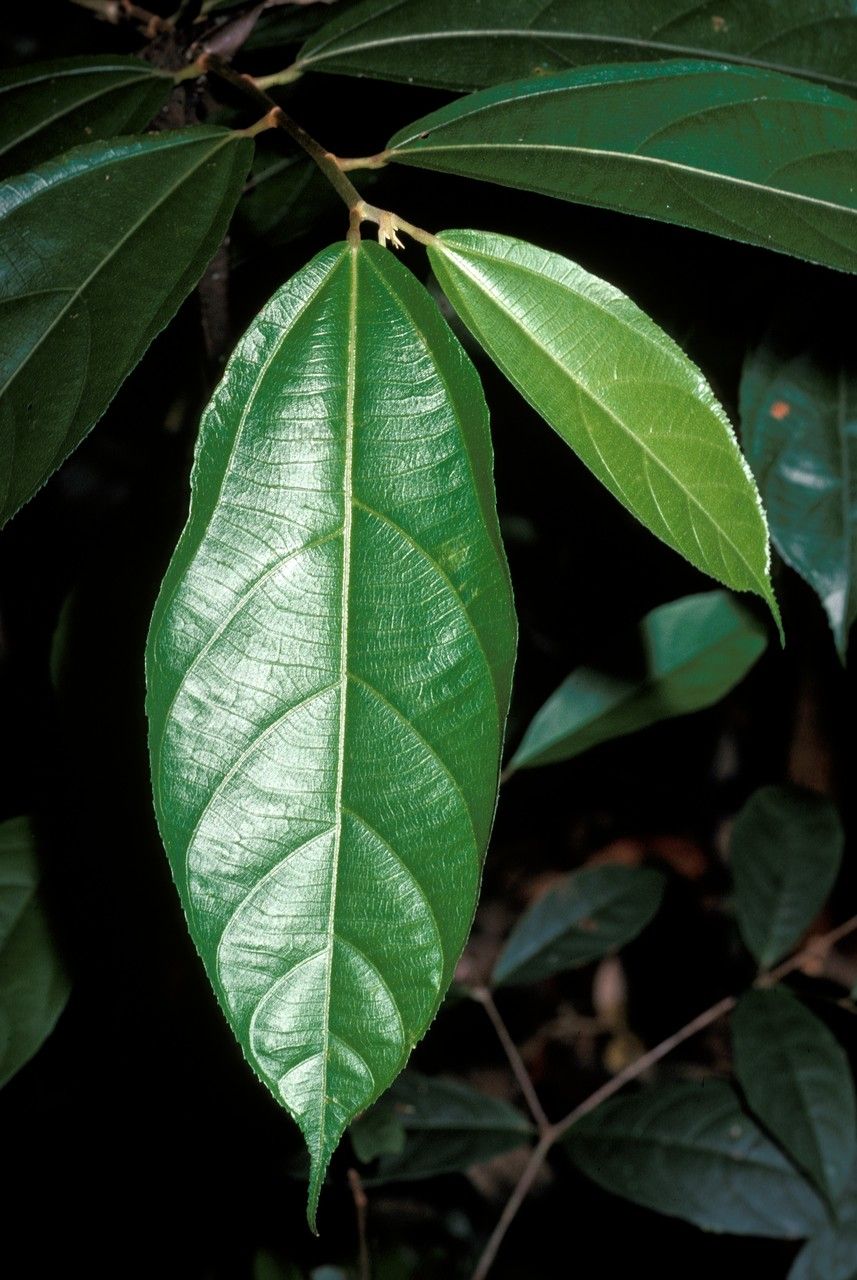
Propagating the Smooth-barked Apeiba: A Guide to Cultivating Apeiba glabra
Introduction
Apeiba glabra, also known as the smooth-barked apeiba or palo de sangre (bloodwood), is a striking neotropical tree prized for its attractive bark, which peels to reveal distinctive patterns of reddish-brown and lighter tones. Its fast growth rate and relatively easy maintenance contribute to its growing popularity among gardeners interested in unique, visually interesting specimens. While not widely cultivated, its inherent beauty and potential for ecological restoration projects make successful propagation particularly rewarding. The challenging aspects of propagation, however, contribute to its relative rarity in cultivation. This article explores the various methods available for propagating Apeiba glabra.
Seed Germination
Seed germination for Apeiba glabra is a viable but challenging method. Challenges include a relatively short seed viability window and potential for fungal infections. Seeds require pre-treatment before sowing. Practical tips include:
- Seed Collection: Collect mature seeds directly from the tree after the pods have naturally opened and dried. Avoid collecting seeds from damaged or diseased pods.
- Pre-treatment: Soaking the seeds in warm water (approximately 40°C) for 24 hours can improve germination rates. Gentle scarification (nicking the seed coat with a sharp knife and then soaking) might also enhance imbibition, but proceed with caution to avoid damaging the embryo.
- Sowing Technique: Sow seeds in a well-draining seed starting mix. Maintain consistently moist (not waterlogged) conditions and warm temperatures (25-30°C). Good ventilation is also crucial to prevent fungal growth.
- Rewards: Successful seed germination offers the potential for high genetic diversity and allows for large-scale propagation, beneficial for restoration projects targeting degraded areas where Apeiba glabra plays a critical role in the ecosystem.
Cuttings
Propagation through cuttings is possible, but success rates are variable. Challenges include the difficulty in rooting cuttings and potential for fungal or bacterial infections.
- Cutting Technique: Semi-hardwood cuttings taken from actively growing shoots in the spring or summer show higher chances of success. The use of rooting hormone is recommended.
- Environment: High humidity and bottom heat are essential to encourage root development. Propagators should use a well-draining propagation mix and maintain moderate warmth and light conditions.
- Rewards: Cuttings offer a faster way to obtain plants compared to seed propagation, preserving the characteristics of a desirable parent plant.
Division
Division is not a feasible method for propagating Apeiba glabra. This tree does not naturally produce offsets or suckers that readily separate for propagation.
Tissue Culture
Tissue culture propagation of Apeiba glabra is potentially viable, but research is limited. While successful tissue culture protocols exist for other tree species, specialized knowledge and laboratory facilities are essential, creating a significant barrier for home propagators.
Conclusion
Propagating Apeiba glabra presents unique challenges across all methods. While seed germination offers a route to genetic diversity, it demands careful attention to pre-sowing techniques and disease prevention. Cuttings are a viable alternative, but require an understanding of appropriate propagation techniques. Both methods demonstrate that patience and care are paramount. Successfully cultivating this stunning tree, after overcoming these hurdles, offers a profound sense of accomplishment. The rewards of witnessing these visually striking trees thrive in your care are great. To aspiring propagators, we suggest starting with several seeds or cuttings to improve your chances of success, and embracing the learning process as an integral part of the journey. The unique beauty of Apeiba glabra makes the endeavor worthwhile.