
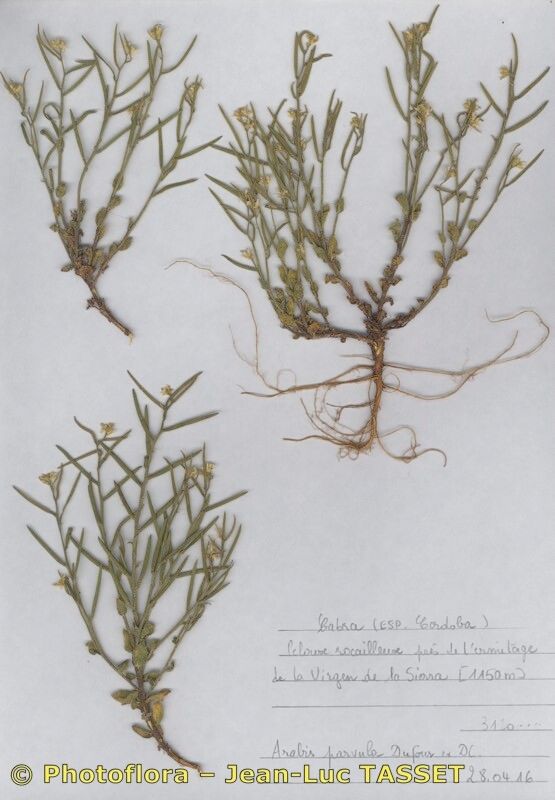
Propagating Arabis parvula: Challenges and Rewards of Cultivating the Small Rockcress
Arabis parvula, commonly known as small rockcress, is a charming alpine perennial prized for its low-growing habit, attractive foliage, and delicate white flowers. Its compact form makes it ideal for rock gardens, crevices, and even as groundcover in well-drained areas. While its relative ease of cultivation makes it a popular choice among gardeners, propagation presents some unique challenges. This article explores various methods for propagating Arabis parvula, weighing their efficacy and rewarding the effort.
Seed Germination:
Currently, there are no known reliable methods for seed germination propagation of Arabis parvula. While seeds may be produced, germination rates are notoriously low and unpredictable, making this method impractical for most home gardeners. Further research into optimal germination conditions is needed before seed propagation can be considered a viable option.
Cuttings:
Cuttings offer a more reliable method for propagating Arabis parvula. However, success depends on careful technique and appropriate timing.
Challenges: Taking cuttings requires meticulous attention to detail. The success rate can be affected by factors such as the age of the parent plant, the time of year, and the hygiene of the propagation environment. Using sterile tools and rooting hormone can significantly improve the chances of success.
Practical Tips: Semi-hardwood cuttings taken in late spring or early summer have shown higher success rates. Cuttings should be approximately 3-4 inches long, taken from healthy, non-flowering stems. Remove lower leaves to prevent rotting and dip the cut ends in rooting hormone before planting them in a well-draining propagation mix (e.g., a mix of peat moss and perlite). Maintain consistently moist (but not waterlogged) conditions and high humidity, perhaps by using a propagator or covering with a plastic dome.
Rewards: Cuttings offer a relatively straightforward way to produce genetically identical plants to the parent plant, preserving desirable traits. This method is suitable for small-scale propagation to expand your existing collection.
Division:
Division is another effective method for propagating Arabis parvula.
Challenges: Division is best done during the spring or fall when the plant is actively growing or entering dormancy. Care must be taken to avoid damaging the delicate root system. Each division should contain a healthy portion of roots and shoots capable of sustaining itself.
Practical Tips: Carefully dig up the established plant and gently separate it into several smaller clumps using a sharp, clean knife or spade. Replant each division in well-drained soil providing adequate spacing to allow for future growth. Water thoroughly after planting.
Rewards: Division is a quick and relatively easy method to increase the number of plants, especially if you already have a mature Arabis parvula in your garden. It preserves the genetic characteristics of the mother plant.
Tissue Culture:
While tissue culture is a potentially high-yield method, it is beyond the scope of most home gardeners due to its complexity and requirement for specialized equipment and sterile conditions.
Challenges: Establishing sterile conditions, selecting suitable media, and mastering the techniques require significant expertise and resources.
Practical Tips: This method requires specialized labs and equipment, and is not a realistic option for home propagation.
Rewards: Tissue culture allows rapid and large-scale multiplication of plants. It gives the capacity to propagate from small plant material and facilitates virus elimination. However, the investment in equipment and training make it unsuitable for the average gardener.
Conclusion:
Propagating Arabis parvula presents challenges across all methods. Seed germination remains unreliable, while cuttings and division offer more practical approaches for home propagation. While tissue culture provides a potentially large-scale solution, its technical demands are high. The rewards, however, resonate with the satisfaction of nurturing these delicate plants from cuttings or divisions. The patience invested in successful propagation, coupled with the eventual flourishing of these charming alpine plants, provide a rewarding experience for the dedicated gardener. For most amateur gardeners, mastering the art of cuttings and division will prove to be a fulfilling journey towards expanding their rock garden with the beauty of Arabis parvula.