
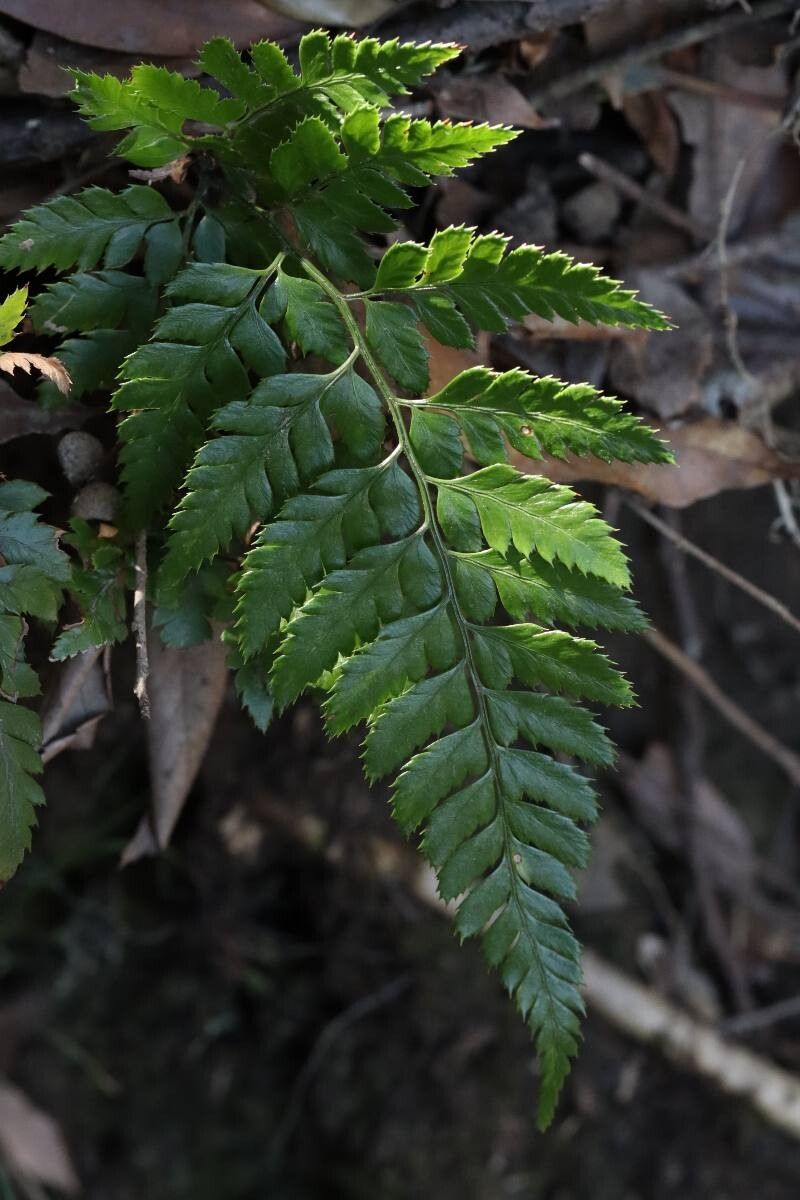
Propagating the Japanese Holly Fern (Arachniodes pseudoaristata): A Gardener’s Guide
Introduction:
Arachniodes pseudoaristata, commonly known as the Japanese Holly Fern, is a captivating addition to any shade garden. Its distinctive, dark green, holly-like fronds, coupled with its relatively low maintenance needs, have secured its popularity among fern enthusiasts. However, propagation isn’t always straightforward. While the plant is relatively easy to divide, other methods present unique challenges. Understanding these challenges and employing the appropriate techniques is crucial for successful propagation.
Seed Germination:
Currently, there are no known reliable methods for seed germination propagation of Arachniodes pseudoaristata. While the fern produces spores, germination rates are extremely low or nonexistent in controlled environments. This is likely due to complex symbiotic relationships required for successful spore germination in nature, which are difficult to replicate artificially.
Cuttings:
Propagating Japanese Holly Fern from cuttings is also unreliable. Unlike some ferns that can be propagated from frond cuttings, Arachniodes pseudoaristata does not readily root from stem or frond sections. Attempts at this method have yielded little success, suggesting that this approach is not a viable option for propagating this species.
Division:
Division is the most successful and widely practiced method for propagating Arachniodes pseudoaristata. This technique leverages the fern’s naturally clumping growth habit.
Challenges: The primary challenge is ensuring each division contains sufficient rhizome and roots for survival. Divisions that are too small may struggle to establish themselves. Additionally, the timing of division is crucial; spring, when new growth is emerging, is ideal.
Practical Tips: Carefully dig up the established plant, gently separating it into smaller clumps. Each clump should ideally consist of several healthy fronds and a significant portion of rhizome with attached roots. Replant the divisions immediately in well-drained, moist, humus-rich soil in a shaded location.
Rewards: Division offers a relatively simple and high-success-rate method for propagating this fern, allowing gardeners to quickly increase their stock. While it doesn’t offer genetic diversity like seed propagation, it’s an efficient approach for expanding existing plants.
Tissue Culture:
Tissue culture offers a potential, albeit specialized and technically demanding, method for propagating Arachniodes pseudoaristata.
Challenges: Establishing sterile conditions and developing appropriate culture media are critical and require specialized knowledge and equipment. The process is time-consuming and may require a trial-and-error approach to optimize conditions for growth.
Practical Tips: Tissue culture techniques require specialized laboratories and expertise. Successful propagation involves selecting healthy tissue samples, sterilising them, and cultivating them on a nutrient-rich agar medium under controlled environmental conditions.
Rewards: Tissue culture enables mass propagation and the potential for disease-free plants. It’s the most effective way to ensure large-scale proliferation of A. pseudoaristata, especially for commercial purposes.
Conclusion:
Propagating Arachniodes pseudoaristata presents a range of challenges, with division presenting the most reliable method for home gardeners. While seed germination and cuttings are not viable options, the potential of tissue culture exists but requires significant resources and expertise. The unique rewards lie in nurturing this beautiful fern from a division, witnessing its slow but steady growth, and ultimately expanding its presence in your garden – a testament to both your patience and skill as a gardener. Don’t be discouraged by the challenges; the successful propagation of Japanese Holly Fern offers a deeply satisfying experience, and the result is a magnificent addition to any landscape. Start with division, and if you have access to tissue culture facilities, explore this option for large-scale propagation.