
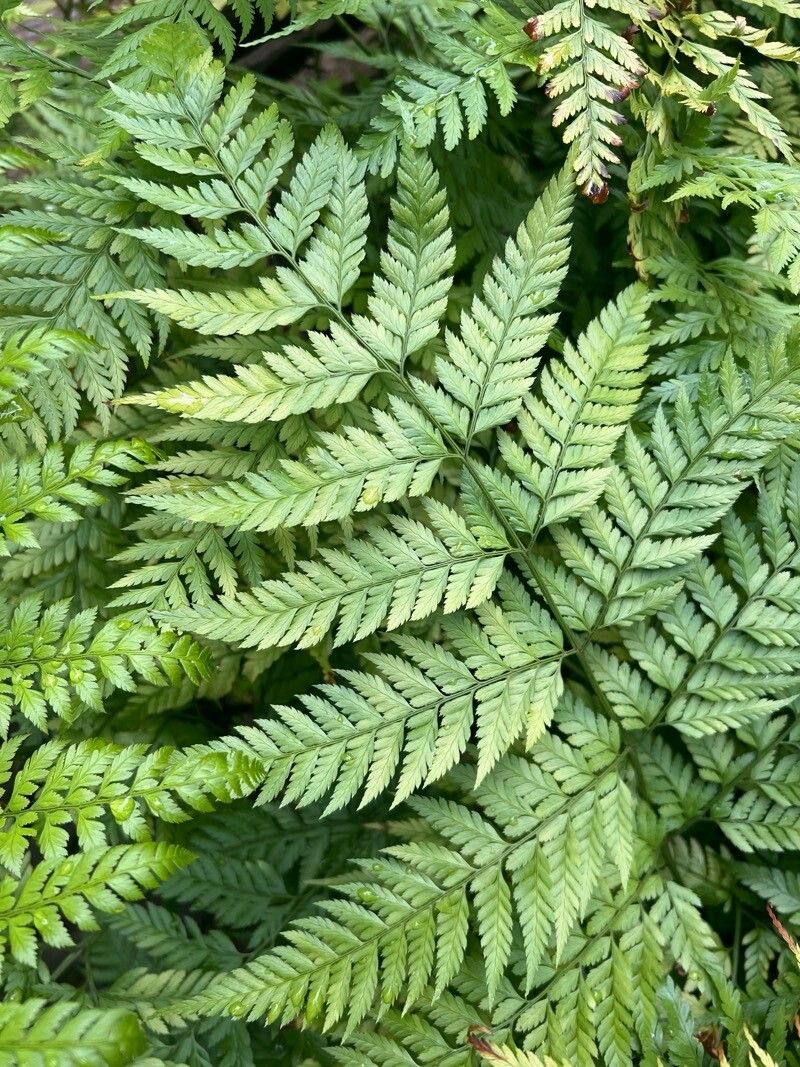
Propagating the Holly Fern: Unraveling the Mysteries of Arachniodes webbiana
Arachniodes webbiana, commonly known as the Holly Fern, is a captivating fern prized for its attractive, holly-like fronds. Its delicate, dark green foliage, often displaying a glossy sheen, makes it a popular choice among fern enthusiasts and gardeners seeking an elegant addition to shaded borders, woodland gardens, or container displays. However, propagating this beautiful fern can present unique challenges. This article explores various methods, highlighting their feasibility and offering practical advice to aspiring propagators.
Seed Germination:
Currently, there are no known reliable methods for seed germination propagation of Arachniodes webbiana. While some fern species readily propagate from spores, A. webbiana appears to be recalcitrant in this regard. Further research may reveal viable techniques, but current evidence suggests that relying on seed germination for this species is impractical.
Cuttings:
Cuttings are also not a successful method for propagating Arachniodes webbiana. Ferns, unlike many flowering plants, do not readily regenerate from stem or leaf cuttings. The rhizomes (underground stems) are the primary structures involved in vegetative propagation, as detailed in the division section below.
Division:
Division is the most reliable and practical method for propagating Arachniodes webbiana. This involves carefully separating the rhizomes into smaller sections, each possessing healthy fronds and roots.
Challenges: Precise division is key to avoid damaging the delicate rhizomes and roots, which can lead to the death of the separated sections. Overcrowding in the original plant also decreases the vigor of the rhizomes, making division more challenging.
Tips: The best time for division is during the spring or early summer, when the fern is actively growing. Carefully lift the entire plant, gently loosen the soil around the rhizomes, and use a sharp, clean knife or spade to divide the rhizome into sections, ensuring each section has several healthy fronds and a good root system. Replant the divisions immediately in well-drained, humus-rich soil. Avoid overwatering initially.
Rewards: Division offers a relatively straightforward method for increasing plant numbers, leading to more Holly Ferns to grace your garden. It also ensures the genetic consistency of the parent plant.
Tissue Culture:
Tissue culture offers a potential, albeit more complex, method for propagating Arachniodes webbiana.
Challenges: This technique requires specialized equipment, a sterile environment, and expertise in plant tissue culture protocols. Developing effective protocols specific to A. webbiana would require significant research and experimentation. Cost and technical expertise are significant barriers.
Tips: If pursuing this method, consult with experts in plant tissue culture or utilize a commercial laboratory experienced in fern propagation.
Rewards: Tissue culture allows for large-scale propagation, ensuring uniformity and potentially producing disease-free plants. This would be ideal for commercial purposes.
Conclusion:
Propagating Arachniodes webbiana presents unique challenges. While seed germination and cuttings appear unviable, division offers a readily accessible method for gardeners. Tissue culture remains a potentially powerful but complex option, best suited for commercial or research settings. The rewards – whether a few additional Holly Ferns for your garden or a wealth of plants for commercial distribution – are well worth the effort, especially considering the elegant presence of this fascinating fern. The satisfaction derived from successfully propagating a plant that initially resists conventional methods is deeply rewarding, proving a testament to perseverance and horticultural ingenuity. Embrace the challenges, learn from experience, and enjoy the journey of cultivating this beautiful plant.