
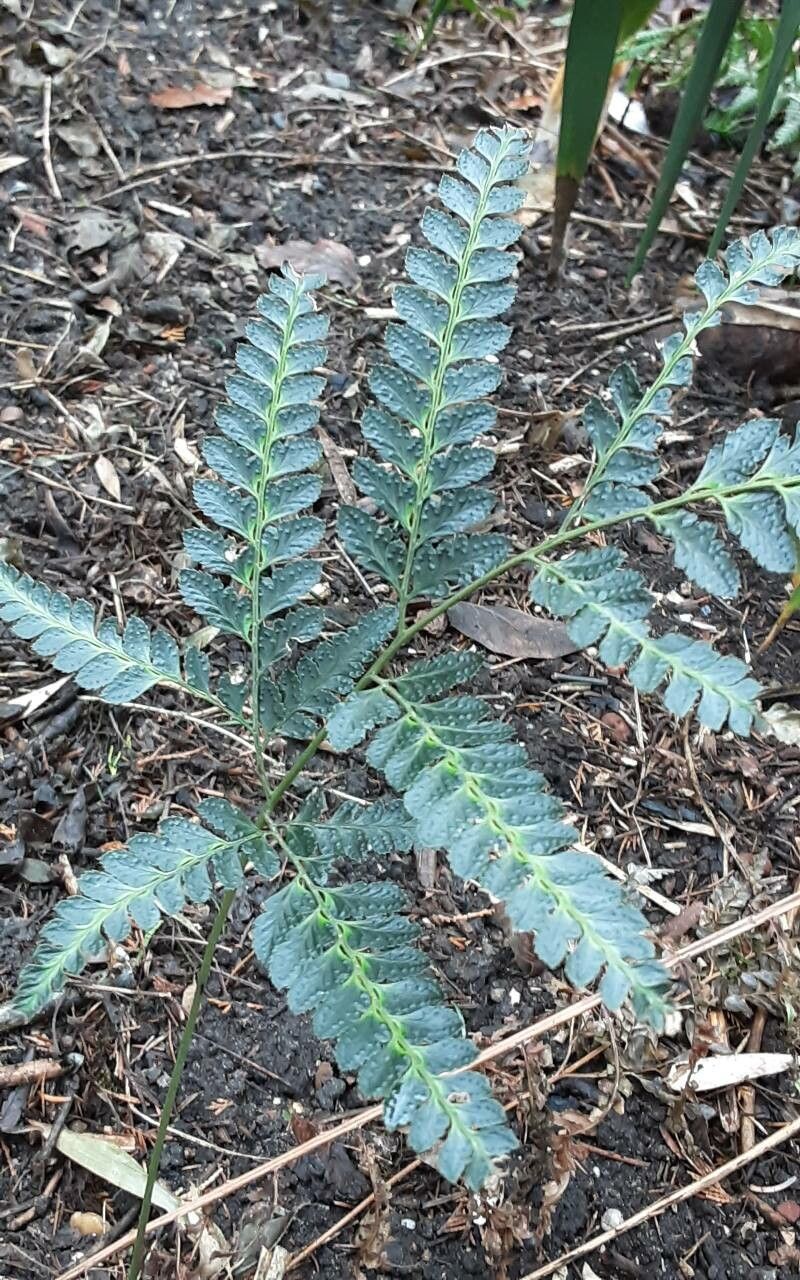
Propagating the Japanese Holly Fern (Arachniodes simplicior): A Gardener’s Guide
Introduction:
Arachniodes simplicior, commonly known as the Japanese Holly Fern, is a prized addition to any shade garden. Its elegantly simple, holly-like fronds offer a refined texture and vibrant green color, making it a popular choice amongst fern enthusiasts. Unlike some ferns exhibiting complex reproductive strategies, the Japanese Holly Fern presents a fascinating challenge for propagation, with success varying significantly across different methods. This article explores the various techniques used to propagate this beautiful species, weighing their advantages and drawbacks.
Seed Germination:
Currently, there are no known reliable methods for seed germination propagation of Arachniodes simplicior. While the fern produces spores, their germination rate is exceptionally low, and successful cultivation from spores requires highly specialized laboratory conditions and expertise far beyond the typical home gardener. Consequently, this method isn’t a practical option for most enthusiasts.
Cuttings:
Cuttings are also generally unreliable for propagating Arachniodes simplicior. While some fern species can be propagated from leaf or rhizome cuttings, the Japanese Holly Fern hasn’t shown consistent success with this method. The low success rate likely stems from the fern’s reliance on specific conditions for the development of new rhizomes and fronds. Attempts at propagation via cuttings are often unsuccessful, resulting in decay of the cutting material before any root or frond development occurs.
Division:
Division is the most practical and reliable method for propagating Arachniodes simplicior. This involves carefully separating established plants into smaller sections, each containing a portion of rhizome and healthy fronds.
Challenges: The main challenge with division lies in minimizing damage to the rhizome and ensuring each division has sufficient root mass to support its growth. Aggressive separation can lead to plant death.
Practical Tips: It’s best to divide established, vigorous plants in spring or early summer. Use a sharp, clean knife or spade to divide the rhizome, aiming for sections with at least three to five healthy fronds. Plant the divisions immediately into well-draining, moist soil rich in organic matter, and keep them consistently moist but not waterlogged.
Rewards: Division offers a relatively high success rate, allowing for the quick establishment of new plants. It’s a straightforward method, requiring minimal specialized equipment or knowledge, suitable for home gardeners.
Tissue Culture:
Tissue culture offers a high potential for large-scale propagation of Arachniodes simplicior, bypassing the limitations of other methods.
Challenges: Tissue culture requires sterile laboratory conditions, specialized media, and a comprehensive understanding of plant tissue physiology. It’s not a technique readily accessible to the home hobbyist.
Practical Tips: This method is best left to professionals or specialized nurseries equipped for sterile lab work and maintaining the exact environmental conditions necessary to foster new plantlet development.
Rewards: Tissue culture allows for rapid and substantial multiplication of plants, offering genetic uniformity and the potential for large-scale commercial production.
Conclusion:
Propagating Arachniodes simplicior presents a unique blend of challenges and rewards. While seed propagation and cuttings prove largely fruitless for home gardeners, division offers a reliable, albeit somewhat delicate, approach. Tissue culture, while highly effective for large-scale propagation, requires specialized equipment and expertise, making it inaccessible to most home growers.
The unique satisfaction derived from successfully propagating this elegant fern comes from overcoming the inherent difficulties. The patience and careful technique required are precisely what makes nurturing a new Japanese Holly Fern from a division particularly rewarding. Aspiring propagators are encouraged to begin with division, mastering the art of careful rhizome separation, and gradually progressing to more advanced techniques as their skills and resources allow. The beauty of the resulting plants is a testament to the dedicated effort invested in their cultivation.