
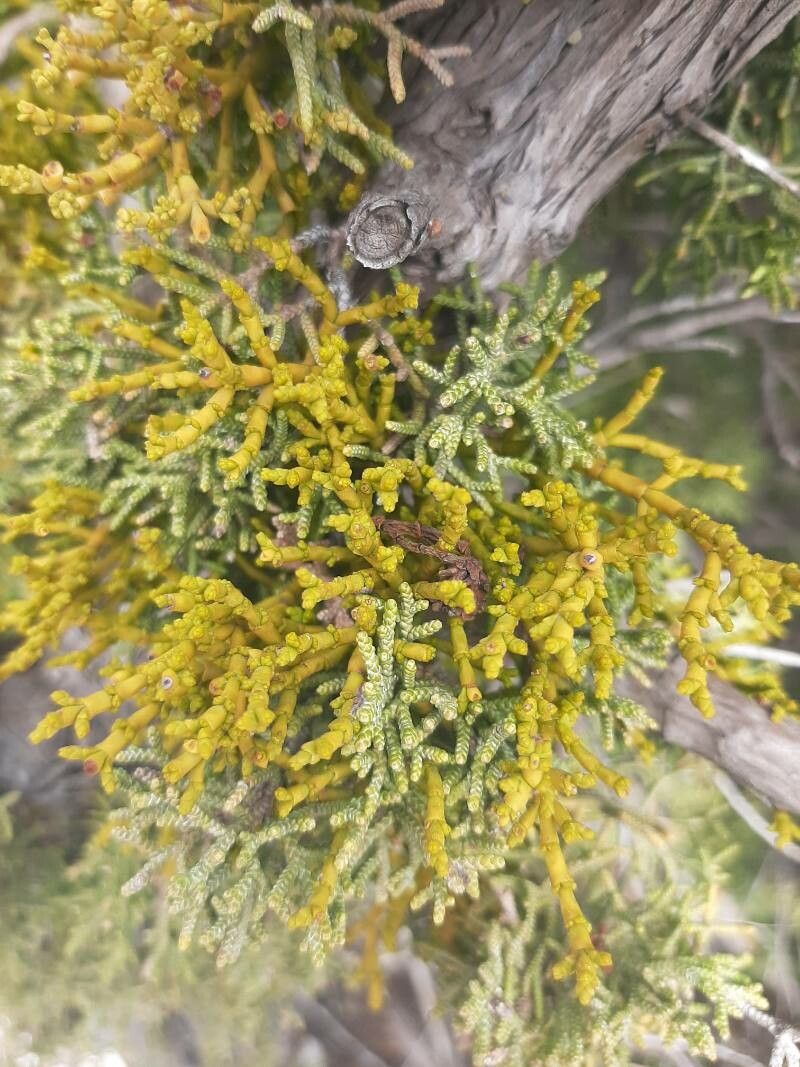
Propagating Arceuthobium gambyi: A Challenging Endeavor
Arceuthobium gambyi, also known as a dwarf mistletoe (though the common name isn’t very specific as many species within the genus share this), is a fascinating and challenging plant to propagate. This hemiparasitic plant, meaning it derives some nutrients from a host plant while also producing its own, is known for its small size and unique growth habit. While not widely cultivated for ornamental purposes due to its parasitic nature, its unique characteristics make it a subject of interest for botanists and dedicated plant enthusiasts. Its propagation, however, presents significant hurdles.
Seed Germination:
Currently, there are no known reliable methods for seed germination propagation of Arceuthobium gambyi. The seeds of dwarf mistletoes exhibit a highly specialized germination process, often requiring specific environmental conditions and the presence of a suitable host plant for successful establishment. Research into the germination requirements of this specific species is limited, and even in species where germination has been achieved, the success rate is notoriously low. Factors including seed dormancy, the need for a specific host chemical signal, and the precise timing of germination relative to host growth appear to be major obstacles.
Cuttings:
Propagating Arceuthobium gambyi from cuttings is also highly unlikely to be successful. The plant’s parasitic nature means that it relies heavily on its connection to the host plant for nutrients and water. Severing it from the host would almost certainly result in the cutting’s death. There is no evidence to suggest that any successful propagation has been achieved through this method.
Division:
Similar to cuttings, division is an impractical method for propagating Arceuthobium gambyi. The plant’s intimate connection with its host tree makes it impossible to divide it without severely damaging both the mistletoe and the host. Attempting division would likely result in the death of both parts.
Tissue Culture:
While tissue culture presents a theoretically viable method for propagating Arceuthobium gambyi, it remains largely unexplored for this species. The specialized requirements of hemiparasitic plants – including the need for host-derived growth factors – present considerable challenges to establishing a successful tissue culture protocol. Significant research involving carefully controlled nutrient media and potentially the addition of host plant extracts would be required to even attempt this. Currently, no published methods exist.
Conclusion:
Propagating Arceuthobium gambyi presents significant challenges across all conventional methods. Seed germination, cuttings, division, and even tissue culture all appear highly problematic. The plant’s parasitic lifestyle and its specialized relationship with its host dictate the extreme difficulty in cultivating it outside its natural environment. However, the very challenges associated with its cultivation add to the unique satisfaction that would come from achieving successful propagation. The knowledge gained through even unsuccessful attempts contributes to a deeper understanding of this fascinating plant’s biology. For aspiring propagators, we suggest focusing research efforts on understanding the seed germination process and exploring the possibilities of tissue culture, while accepting the significant hurdles involved. The rewards, while difficult to achieve, would lie in contributing to the conservation and understanding of this remarkable species.