
Propagating Arctostaphylos regismontana: A Gardener’s Challenge and Reward
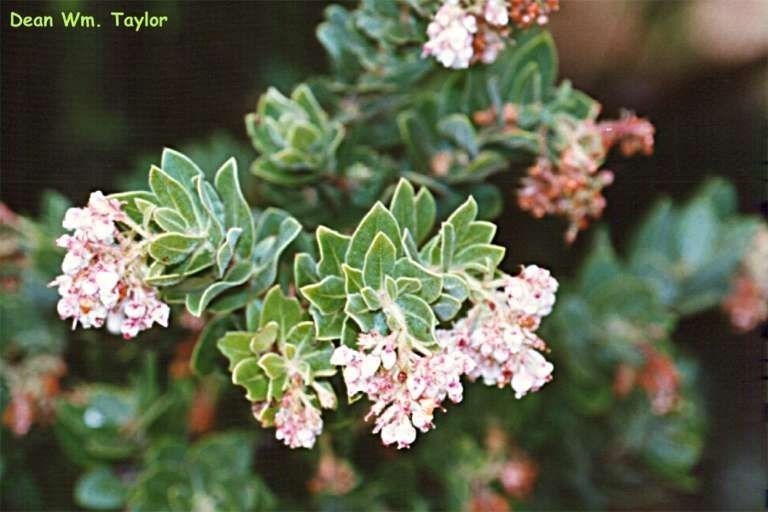
Arctostaphylos regismontana, commonly known as the Monterey Manzanita, is a captivating evergreen shrub prized for its elegant form, attractive reddish-brown bark, and beautiful white or pinkish flowers. Native to California’s central coast, it’s become increasingly popular among gardeners for its drought tolerance and stunning visual appeal, particularly in xeriscaping designs. However, propagating this striking shrub presents unique challenges. Its relatively slow growth and specific environmental needs demand patience and a nuanced approach.
Seed Germination:
Currently, there are no known reliable methods for seed germination propagation of Arctostaphylos regismontana. While seeds are produced, germination rates are extremely low even under optimal conditions, likely due to a combination of factors including hard seed coats and dormancy requirements that haven’t been fully elucidated. Further research is needed to develop reliable seed propagation techniques for this species.
Cuttings:
Cuttings offer a more viable path to propagating Arctostaphylos regismontana. However, it’s still a challenging process with a relatively low success rate.
Challenges: The woody nature of the stems makes rooting difficult. Success hinges on using semi-hardwood cuttings taken in late summer or early autumn. Improper sanitation can lead to fungal infections, while inadequate humidity can cause desiccation.
Practical Tips: Use a sharp knife or shears to take cuttings of 4-6 inches from the current season’s growth. Remove lower leaves, dip the cut end in rooting hormone, and plant in a well-draining mix of perlite and peat moss. Maintain high humidity using a propagation dome or plastic bag. Bottom heat can improve rooting success.
Rewards: Successfully rooted cuttings offer a faster route to a mature plant compared to other methods. Genetic uniformity is maintained, ensuring that the offspring will faithfully replicate the parent plant’s characteristics.
Division:
Division is generally not a practical method for propagating Arctostaphylos regismontana. The plant’s deep root system and often single-stemmed growth habit makes it challenging to divide without seriously damaging or killing the parent plant.
Tissue Culture:
Tissue culture presents a potential, albeit specialized, method for propagating Arctostaphylos regismontana.
Challenges: Establishing sterile cultures and developing appropriate media formulations are technically demanding, requiring specialized knowledge and equipment. The process can be labor-intensive and expensive.
Practical Tips: This technique requires a controlled laboratory environment and expertise in plant tissue culture. Sterile techniques are crucial to prevent contamination. The suitable medium needs to promote shoot multiplication and root formation.
Rewards: Tissue culture allows for the mass propagation of genetically identical plants, ideal for commercial nurseries or conservation efforts. It also offers a way to propagate plants from difficult-to-root cuttings or seeds.
Conclusion:
Propagating Arctostaphylos regismontana presents significant challenges regardless of the chosen method. While seed propagation currently seems impractical, cuttings offer a more achievable route, albeit with variable success rates. Division is largely unsuitable, and tissue culture, though viable, demands advanced expertise and resources. The rewards, however, are substantial. Successfully propagating this stunning Manzanita is incredibly fulfilling, offering a deep connection to the natural world and the satisfaction of overcoming a horticultural challenge. For aspiring propagators, patience, attention to detail, and a willingness to experiment are essential components of success. Don’t be discouraged by initial setbacks – the beauty and uniqueness of the Monterey Manzanita are well worth the effort.