
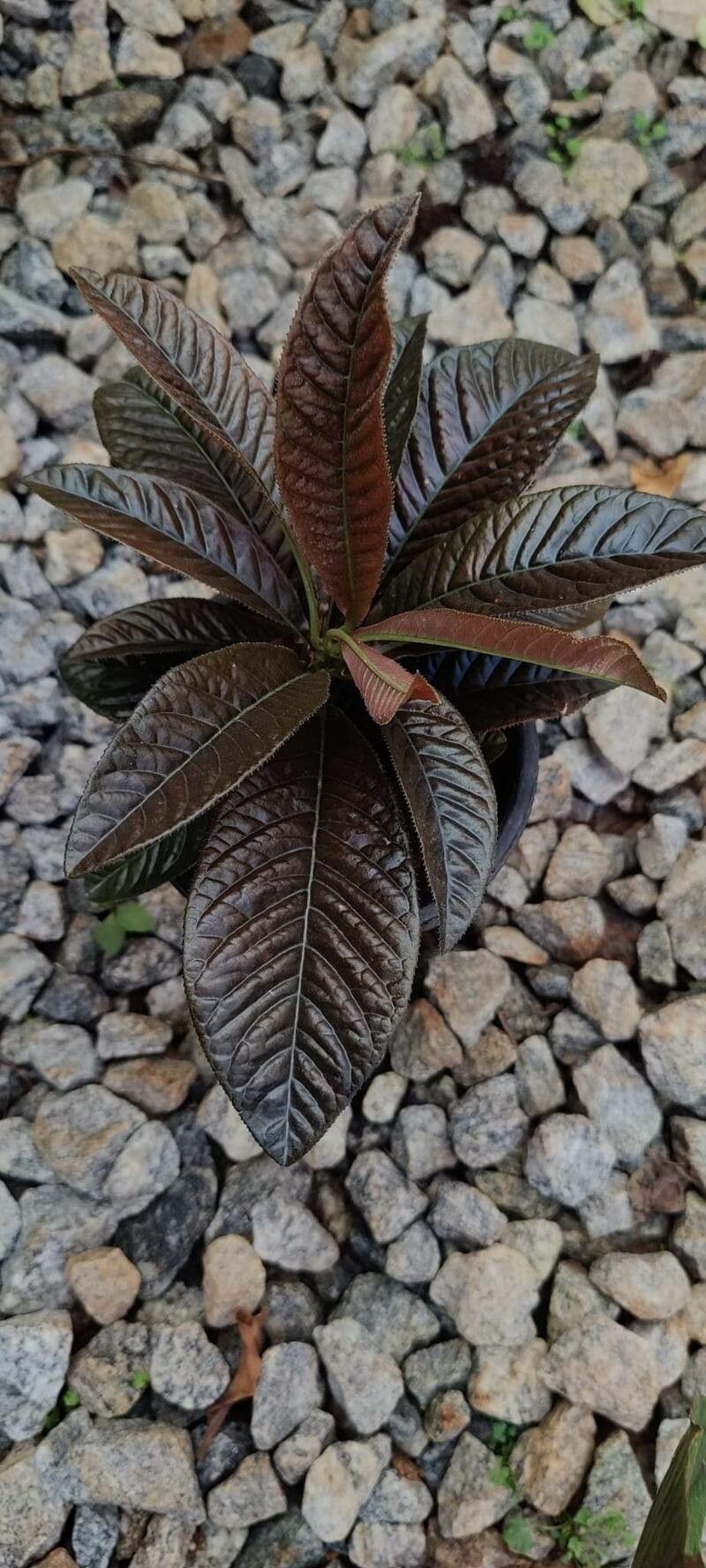
Propagating Ardisia affinis: The Coralberry Challenge
Introduction:
Ardisia affinis, commonly known as coralberry or coral ardisia, is a captivating evergreen shrub prized for its vibrant red berries that persist throughout winter, providing a striking contrast against its dark green foliage. Its compact size and attractive appearance make it a popular choice for indoor and outdoor landscaping, particularly in warmer climates. However, propagating this beautiful plant presents unique challenges, making successful cultivation all the more rewarding. Its relatively slow growth rate adds to the allure and importance of effective propagation methods.
Seed Germination:
Currently, there are no known reliable methods for seed germination propagation of Ardisia affinis. While seeds are produced, their germination rate is extremely low, and even under optimal conditions, successful germination remains unpredictable. The dormancy period of the seeds appears to be a significant hurdle. Further research is needed to determine if specific pre-treatment techniques, such as scarification or stratification, could improve germination success.
Cuttings:
Cuttings offer a more reliable method of propagating Ardisia affinis compared to seed germination.
Challenges: Rooting cuttings can be slow and inconsistent. The success rate is highly dependent on factors such as the age and health of the parent plant, the timing of the cutting (preferably semi-hardwood cuttings in late spring/early summer), the type of rooting medium (a well-draining mix is crucial), and the application of rooting hormones.
Practical Tips: Take 4-6 inch cuttings from healthy, non-flowering stems. Remove lower leaves and apply a rooting hormone powder before planting in a moist, well-draining medium (e.g., perlite and peat moss mix). Maintain consistently high humidity (using a propagator or plastic bag) and warmth (bottom heat is beneficial). Patience is key; rooting can take several weeks to months.
Rewards: Cuttings provide genetically identical plants to the parent, preserving desirable traits. This method is relatively cost-effective compared to other methods and allows for controlled propagation of specific cultivars.
Division:
Division is another viable propagation method, particularly for established plants with multiple stems.
Challenges: Mature Ardisia affinis plants can be somewhat challenging to divide without damaging the root system, impacting their survival rate. Careful handling is crucial to minimize stress on the plant.
Practical Tips: The best time to divide is during the spring before new growth commences. Carefully dig up the plant and gently separate it into smaller sections, ensuring each section has sufficient roots and foliage. Replant the divisions immediately, providing adequate watering and shade to help them establish.
Rewards: Division is a relatively quick method and offers a high success rate if done correctly. It is ideal for increasing the number of plants of an existing, healthy specimen.
Tissue Culture:
Tissue culture is a potentially highly efficient method for large-scale propagation of Ardisia affinis.
Challenges: Tissue culture requires specialized equipment, sterile conditions, and expertise in plant tissue culture techniques. It’s also a more expensive method than cuttings or division.
Practical Tips: Sterile techniques are paramount. Explants (small pieces of plant tissue) are taken from the parent plant under aseptic conditions and cultured on a nutrient-rich medium. Success relies on maintaining sterile conditions throughout the process. Expertise in plant hormone regulation is essential for optimal shoot multiplication and rooting.
Rewards: Tissue culture allows for rapid multiplication of plants and produces disease-free stock. This method is ideal for large-scale commercial propagation and the preservation of rare or desirable cultivars.
Conclusion:
Propagating Ardisia affinis presents its share of challenges across all methods. While seed germination remains unreliable, cuttings and division offer viable alternatives, though patience and careful technique are essential. Tissue culture offers a high-potential, albeit resource intensive, option for large-scale production. Despite the difficulties, the satisfaction of successfully cultivating this vibrant plant from a cutting, division, or even (rarer still) seed, is immense. The enduring beauty of the coralberries throughout the winter months makes the effort unequivocally worthwhile. To prospective propagators: embrace the challenge, practice patience, and revel in the rewarding journey of growing your own coralberries.