
Propagating Arenaria libanotica: A Gardener’s Guide to the Lebanese Sandwort
Introduction:
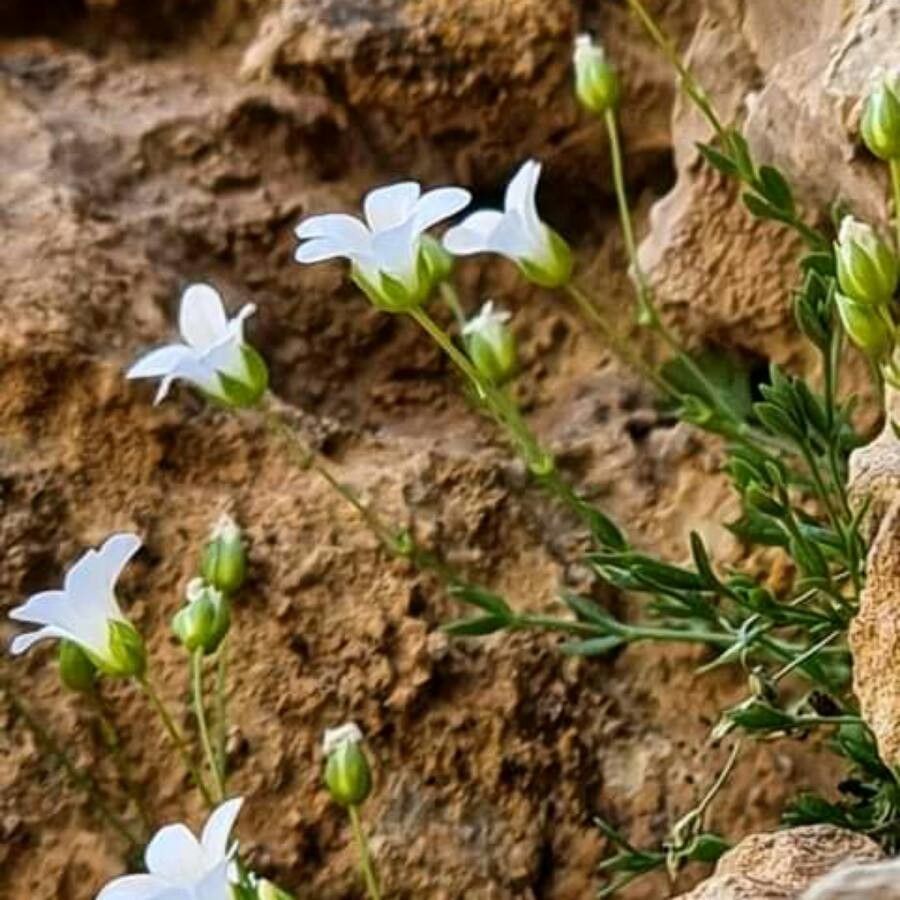
Arenaria libanotica, commonly known as the Lebanese Sandwort, is a charming alpine plant prized for its delicate, needle-like foliage and profusion of small, white flowers. Native to the mountains of Lebanon, this hardy perennial adds a touch of elegance to rock gardens, alpine troughs, and other dry, well-drained environments. Its compact habit and low-maintenance nature contribute to its increasing popularity among gardeners. However, propagating Arenaria libanotica presents unique challenges due to its specific environmental needs and relatively slow growth. This article explores various propagation methods, highlighting their viability and offering practical advice.
Seed Germination:
Currently, there are no known reliable methods for seed germination propagation of Arenaria libanotica. While seeds may be produced, their germination rate is notoriously low, and successful germination often requires precise and often unpredictable conditions. Further research into specific stratification techniques or the use of growth hormones might yield results, but currently, seed propagation is not a practical method for most home gardeners.
Cuttings:
Cuttings offer a more promising avenue for propagating Arenaria libanotica. However, success relies on meticulous technique and precise conditions.
Challenges: The slow rooting rate of cuttings is a significant hurdle. The success rate is generally low unless very specific conditions are met.
Practical Tips: Take semi-hardwood cuttings in late spring or early summer. Use a sharp, sterile blade to take cuttings of about 4-6 cm, removing lower leaves to prevent rotting. Use a well-draining propagation mix, such as a blend of perlite and vermiculite. Apply a rooting hormone to increase the chances of success. Maintain high humidity using a propagator or plastic bag, but ensure good ventilation to prevent fungal diseases. A cool, bright location (avoid direct sunlight) is crucial.
Rewards: Successful rooting from cuttings results in genetically identical plants, preserving desirable characteristics. It’s a relatively straightforward method suitable for small-scale propagation.
Division:
Division is arguably the most reliable method for propagating Arenaria libanotica.
Challenges: This plant is relatively slow-growing, limiting the frequency of division. Care must be taken to avoid damaging the delicate root system.
Practical Tips: Divide established plants in spring or autumn. Gently lift the plant, carefully separating it into smaller clumps, ensuring each division has a healthy root system. Replant the divisions immediately in well-drained soil, keeping them well-watered until established.
Rewards: Division offers the highest success rate and is a reasonably quick way to increase the number of plants. It is the method most likely to result in quick success for home gardeners.
Tissue Culture:
While technically feasible, tissue culture propagation of Arenaria libanotica is generally not practical for home gardeners. It requires specialized equipment, a sterile environment, and expertise in plant tissue culture techniques. This method is better suited to commercial nurseries or research settings looking for large-scale propagation.
Challenges: Establishing sterile cultures and achieving consistent growth can be difficult. The procedure demands specialized equipment and knowledge.
Practical Tips: This method is not advised for the average home gardener.
Rewards: Tissue culture allows for rapid and large-scale propagation, enabling the production of many genetically identical plants.
Conclusion:
Propagating Arenaria libanotica presents challenges, with division proving the most reliable method for amateur gardeners. While seed propagation currently remains unreliable, and tissue culture is impractical for most, mastering the technique of cuttings can yield satisfactory results with patience and attention to detail. The rewards – the sight of this charming plant thriving in your garden, a testament to your horticultural skills – make the effort worthwhile. Don’t be discouraged by initial setbacks. The unique satisfaction of successfully cultivating this beautiful alpine plant is a reward in itself, underscoring the joy of nurturing something rare and delicate. Remember to choose the propagation method best suited to your skill level and resources, and enjoy the journey!