
Propagating the Norwegian Sandwort (Arenaria norvegica): A Gardener’s Guide
Introduction:
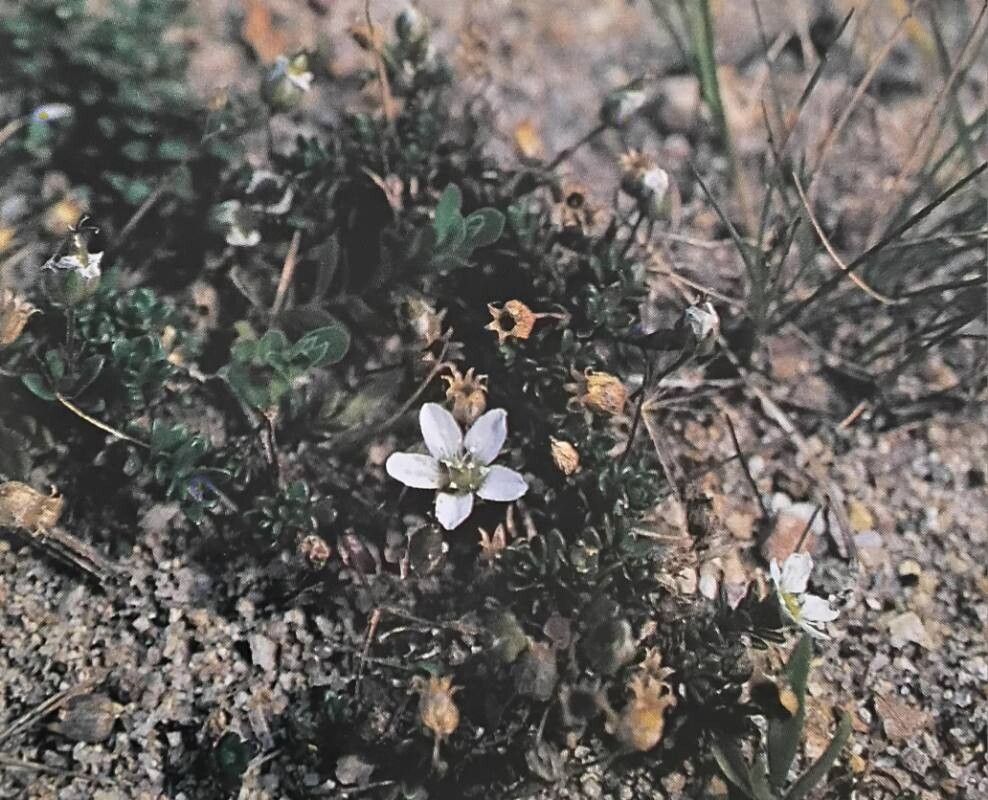
Arenaria norvegica, commonly known as Norwegian Sandwort, is a charming alpine plant prized for its delicate, white flowers and low-growing, mat-forming habit. Its diminutive size and resilience make it a popular choice for rock gardens, alpine troughs, and crevices where few other plants can thrive. However, its propagation can present unique challenges, making successful cultivation all the more rewarding. This guide explores various propagation methods for Arenaria norvegica, highlighting both the difficulties and the ultimate satisfaction of bringing this special plant to life.
Seed Germination:
Currently, there are no known reliable methods for seed germination propagation of Arenaria norvegica. While seeds may be produced, their germination rate is reported to be extremely low, even under carefully controlled conditions. Further research is needed to determine the specific requirements for successful seed germination, if any exist.
Cuttings:
Cuttings offer a more promising approach to propagating Arenaria norvegica than seed germination.
Challenges: The success rate of cuttings can be variable. The small size of the plant makes it challenging to take sufficient stem material for propagation, and establishing roots can be slow.
Practical Tips: Take semi-hardwood cuttings in late spring or early summer. Use a sharp, sterile knife or shears to obtain cuttings approximately 3-5 cm long, ensuring at least two nodes are included. Remove lower leaves to prevent rotting. Dip the cut ends in a rooting hormone powder and plant them in a well-draining seed-starting mix or a mixture of perlite and peat moss. Maintain a consistently moist (but not soggy) environment, ideally with high humidity, either through covering the container with a plastic dome or placing in a propagator. Patiently wait for root development, which can take several weeks or even months.
Rewards: Cuttings offer a reasonably efficient method to increase the number of plants while maintaining genetic uniformity of the parent plant.
Division:
Division is arguably the most reliable and practical method for propagating Arenaria norvegica.
Challenges: This method requires established, mature plants. Overly aggressive division can damage the plant, reducing the likelihood of success for both the parent plant and the divisions.
Practical Tips: Carefully divide the plant in the spring or autumn when the plant is actively growing. Use a sharp, clean spade or knife to separate the plant into smaller clumps, ensuring each section has viable roots and ample foliage. Replant the divisions into well-drained, gritty soil, ensuring sufficient spacing for growth. Water gently after planting.
Rewards: Division is generally successful and allows for quick propagation of larger numbers of plants compared to cuttings.
Tissue Culture:
Tissue culture propagation of Arenaria norvegica is not widely practiced, largely due to the limited commercial interest in this plant.
Challenges: Establishing sterile conditions and finding the optimal media and hormone ratios for in-vitro growth are significant challenges, requiring specialized lab equipment and expertise.
Practical Tips: Given the lack of readily available protocols, this method is not recommended for amateur propagators.
Rewards: If successful, tissue culture offers the potential for mass propagation and the possibility of removing diseases. However, the costs and specialized knowledge required outweigh the benefits for most home gardeners.
Conclusion:
Propagating Arenaria norvegica presents unique challenges, but the rewards are significant. While seed germination is improbable, cuttings offer a reasonable chance of success, provided appropriate care is taken. However, division remains the most reliable method for the home gardener, offering a balance of efficiency and relative ease. The unique satisfaction of cultivating this charming alpine plant stems from overcoming these challenges – the journey to successful propagation is as rewarding as the outcome itself. For aspiring propagators, I encourage persistence and patience. Begin with division, and if you have the resources and inclination, experiment with cuttings. Celebrate every small success, for each new plant is a testament to your dedication and horticultural skill.