
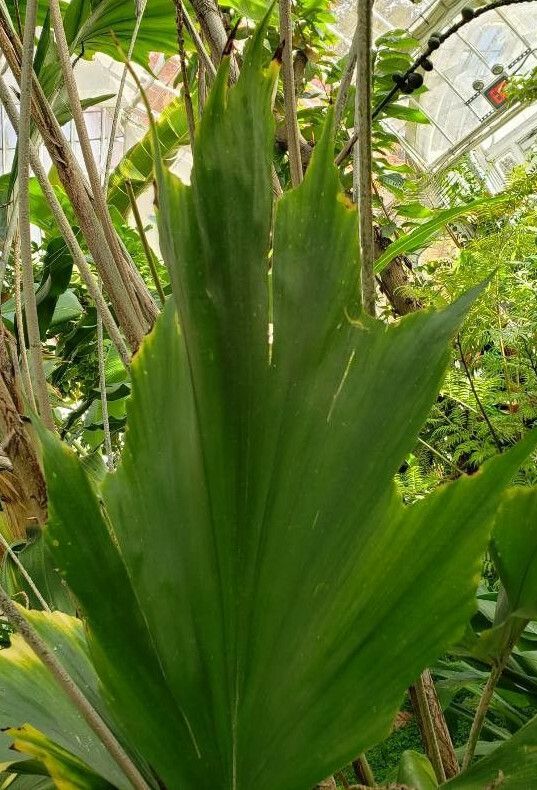
Propagating Arenga hookeriana: A Gardener’s Guide to the Hookerian Sugar Palm
Introduction:
Arenga hookeriana, commonly known as the Hookerian sugar palm or Hooker’s arenga palm, is a captivating species prized for its elegant, arching fronds and striking, dark green foliage. Native to Southeast Asia, it’s increasingly popular among gardeners seeking an exotic, yet relatively manageable palm for their landscapes. Its relatively slow growth rate and unique aesthetics contribute to its appeal. However, propagation presents some challenges, requiring patience and a degree of horticultural expertise. Unlike some easily propagated palms, Arenga hookeriana presents a more complex case, with varying degrees of success depending on the chosen method.
Seed Germination:
Seed germination is a viable, albeit challenging, method for propagating Arenga hookeriana. Fresh seeds offer the best chance of success. However, challenges exist. The seeds have a relatively low germination rate, and dormancy periods can be unpredictable.
Challenges: Obtaining fresh, viable seeds is the primary challenge. Seeds often require a period of stratification, mimicking the natural conditions experienced within the forest floor. This might involve pre-soaking in warm water followed by a period of cold stratification (around 4°C) for several weeks to break dormancy. Fungal infection can also be a significant problem.
Practical Tips: Gently scarify the seed coat before sowing to aid germination. Sow seeds individually in well-draining, sterile seed-starting mix. Maintain high humidity and consistent warmth (around 25-30°C). Regular monitoring for fungal growth and prompt treatment with a fungicide is crucial.
Rewards: Successful seed germination provides genetic diversity within your propagated plants, leading to a robust and varied collection. It also presents an opportunity for large-scale propagation, particularly if you have access to a reliable source of viable seed.
Cuttings:
Currently, there are no known reliable methods for propagation of Arenga hookeriana using cuttings. The palm’s physiology does not readily lend itself to this method.
Division:
Division is another potentially viable, though challenging, technique.
Challenges: Arenga hookeriana does not readily produce offsets or suckers like some other palms. If division is attempted, it needs to be done carefully to avoid damaging the parent plant and to ensure each division has a healthy root system. The success rate is frequently low.
Practical Tips: Division should only be attempted on mature, well-established plants. It’s best performed during the warmer months, ideally after the plant’s active growth period. Sharp, sterilized tools are essential to minimize damage. Each division should ideally have its own established root system and multiple active growing points.
Rewards: Successful division of an established plant can result in multiple mature plants, accelerating the expansion of your collection.
Tissue Culture:
Tissue culture offers the best potential for large-scale, controlled propagation of Arenga hookeriana.
Challenges: Tissue culture requires a specialized laboratory setting, sophisticated techniques and sterile conditions to avoid contamination. Establishing a successful protocol can be time-consuming and expensive, requiring expertise in plant tissue culture.
Practical Tips: This method requires specialized training and equipment, and is best left to professionals or experienced laboratories.
Rewards: Tissue culture allows for the rapid and consistent production of a large number of genetically identical plants, ideal for commercial propagation or for preserving desirable genetic traits.
Conclusion:
Propagating Arenga hookeriana presents a unique set of challenges, varying significantly based on the chosen method. While seed germination and division offer potential, both are associated with low success rates and require considerable patience. Tissue culture offers the highest potential for success on a large scale, but demands significant investment in resources and expertise. The rewards, however, are worth the effort: the satisfaction of nurturing these exquisite palms from seed or a carefully separated division is immense. For aspiring propagators, the key is patience, meticulous attention to detail, and a willingness to learn from both successes and failures. Starting with readily available, established plants might be the most practical approach. Remember that a healthy and well-maintained parent plant will always be the foundation for successful propagation, whatever method chosen.