
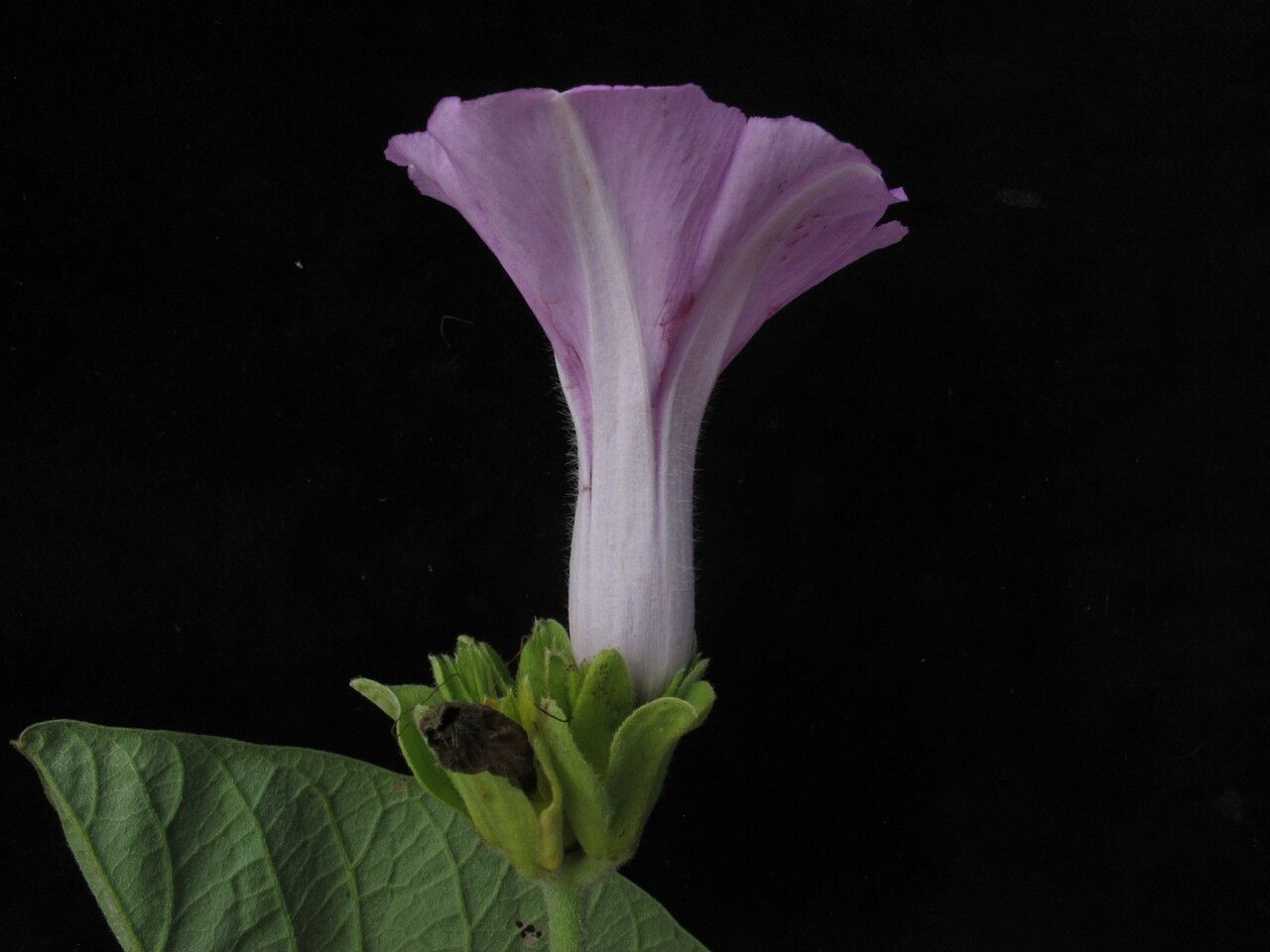
Propagating Elephant Creeper: A Gardener’s Guide to Argyreia roxburghii
Introduction:
Argyreia roxburghii, commonly known as Elephant Creeper, is a vigorous, twining vine celebrated for its large, velvety heart-shaped leaves and charming, funnel-shaped flowers, often in shades of pink or purple. Its rapid growth and stunning visual impact make it a popular choice among gardeners, particularly those seeking a dramatic, fast-growing climber for fences, walls, or trellises. However, its propagation presents unique challenges. The plant’s popularity, coupled with the difficulty in propagation, makes successful cultivation a particularly rewarding endeavor.
Seed Germination:
Seed germination is a viable, albeit challenging, method for propagating Argyreia roxburghii. Elephant Creeper seeds possess a hard seed coat, which inhibits water absorption and germination. This necessitates scarification, a process of weakening or breaking the seed coat to improve germination rates.
Challenges: Low germination rates are common even with scarification. Inconsistent seed quality can also impact success.
Practical Tips: Soaking seeds in warm water for 24-48 hours before scarification can further help. Scarification can be achieved through mechanical methods (e.g., gently nicking the seed coat with a file) or chemical methods (e.g., using concentrated sulfuric acid for a short period – proceed with extreme caution and appropriate safety measures if using this method). Sow seeds in a well-draining seed-starting mix, keeping the soil consistently moist (but not waterlogged) at warm temperatures (25-30°C). High humidity can also benefit germination.
Rewards: Successful germination from seed offers the advantage of increased genetic diversity compared to other propagation methods. This diversity can lead to plants with slightly varying characteristics. Seed propagation also allows for large-scale propagation if sufficient seeds are available and germination success is high.
Cuttings:
Propagating Argyreia roxburghii from cuttings is possible but typically exhibits lower success rates compared to other methods.
Challenges: Cuttings are prone to rotting before root development occurs. The relatively large size of cuttings increases the risk of desiccation.
Practical Tips: Use semi-hardwood cuttings (taken from the current season’s growth) in the late spring or early summer. Treat cuttings with a rooting hormone to increase the chances of success. Plant cuttings in a well-draining mix, maintaining high humidity and warmth using a propagation dome or plastic bag. Regular misting is crucial.
Rewards: Cuttings can propagate plants with the exact characteristics of the mother plant, retaining desirable traits. The process is relatively simple.
Division:
Division of established plants can be a successful method for propagating Argyreia roxburghii.
Challenges: Requires an already established, mature plant large enough to divide. Can be disruptive to the mother plant if not done properly.
Practical Tips: Preferably divide the plant in spring or early autumn. Ensure each division contains sufficient roots and stems. Plant divisions promptly in well-prepared soil, maintaining adequate moisture.
Rewards: Division is a relatively quick and easy method for obtaining new plants if an already established specimen is available. It results in a plant identical to the parent.
Tissue Culture:
Tissue culture offers the potential for large-scale, rapid propagation of Argyreia roxburghii.
Challenges: Tissue culture requires specialized equipment, sterile conditions and expertise, making it less accessible to the home gardener. The process can be expensive and complex.
Practical Tips: This method is best left to professionals or researchers with access to laboratories and appropriate sterile techniques.
Rewards: Tissue culture offers the highest potential for rapid and large-scale propagation, eliminating many challenges associated with seed germination or cuttings propagation.
Conclusion:
Propagating Argyreia roxburghii, while presenting significant challenges across all methods, is rewarding for the dedicated gardener. Seed germination offers the allure of genetic diversity but can be frustratingly unpredictable. Cuttings provide a reliable way to clone existing plants but require careful attention to prevent rot. Division is simple if material is available, and tissue culture offers the potential for mass reproduction but demands specialized skills and resources. The satisfaction of seeing a tiny seed germinate or a cutting take root after surmounting the inherent difficulties is a testament to the gardener’s patience and persistence. Remember to focus on providing ideal growing conditions, including moisture, temperature, and light, for the best results. Embrace the challenge and enjoy the journey of cultivating this magnificent climber!