
Propagating Elephant Creeper (Argyreia obtusifolia): A Gardener’s Guide
Introduction
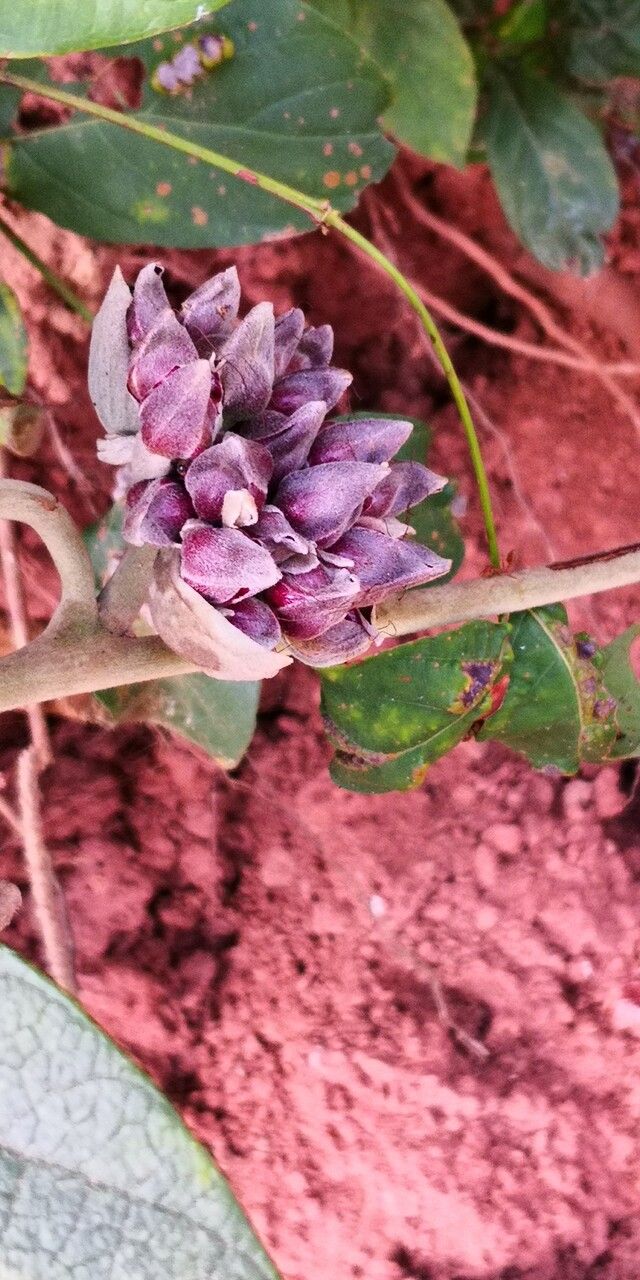
Argyreia obtusifolia, commonly known as Elephant Creeper, is a vigorous, twining vine prized for its large, velvety, heart-shaped leaves and attractive, though often short-lived, funnel-shaped flowers. Its rapid growth and stunning appearance make it a popular choice amongst gardeners, particularly in tropical and subtropical climates. However, its propagation can present certain challenges, making success all the more rewarding. This article explores various propagation methods for Argyreia obtusifolia, highlighting both the hurdles and the triumphs.
Seed Germination
Seed germination is a viable method for propagating Argyreia obtusifolia, but it’s not always straightforward. Challenges include a relatively low germination rate and the need for specific conditions to mimic the natural environment.
Challenges: Seed dormancy can be a significant hurdle. Seeds may require a period of stratification (exposure to cold, moist conditions) to break dormancy before germination. Furthermore, fungal diseases can affect germinating seeds if the growing medium is not sterile or adequately drained.
Practical Tips: Soak seeds in warm water for 24-48 hours before sowing. Stratification can be achieved by placing seeds in a moist vermiculite or peat moss mixture in a sealed bag and refrigerating for 4-6 weeks. Sow seeds in well-draining seed-starting mix, keeping the soil consistently moist but not waterlogged. Maintain a warm temperature (20-25°C) and high humidity.
Rewards: Seed propagation offers the advantage of genetic diversity, crucial for the long-term health and resilience of the plant population. It also allows for large-scale propagation, enabling the creation of numerous plants from a single seed pod.
Cuttings
Propagation through cuttings is also possible with Argyreia obtusifolia.
Challenges: Successful rooting of cuttings can be somewhat unpredictable. The success rate depends heavily on factors such as the age and health of the parent plant, the type of cutting (e.g., stem cuttings), the rooting medium, and the environmental conditions.
Practical Tips: Take semi-hardwood cuttings in spring or summer. Use a rooting hormone to enhance root development. Plant cuttings in a well-draining mix, such as perlite and peat moss, and maintain high humidity by covering the cuttings with a plastic bag or humidity dome. Ensure adequate warmth and indirect light.
Rewards: Cutting propagation offers a faster way to obtain new plants compared to seed germination, and it preserves the genetic characteristics of the parent plant.
Division
Division of established plants is another method for propagating Argyreia obtusifolia.
Challenges: This method is only viable for mature, well-established plants with a substantial root system. Dividing the plant too aggressively can damage the roots and hinder the survival of the divisions.
Practical Tips: Carefully dig up the mature plant, and gently separate the root ball into smaller sections, ensuring each division has its own healthy roots and shoots. Replant the divisions in suitable growing conditions.
Rewards: Division is a relatively simple and rapid method, resulting in instant, mature plants.
Tissue Culture
Tissue culture is a sophisticated method that is technically feasible but not commonly employed for home propagation of Argyreia obtusifolia.
Challenges: Tissue culture requires specialized equipment, a sterile environment, and expertise in microbiological techniques. This makes it an impractical method for most home gardeners.
Practical Tips: If attempting tissue culture, aseptic techniques are crucial to prevent contamination. Use a sterile growth medium and work in a laminar flow hood. Consult specialist literature for detailed protocols.
Rewards: Tissue culture offers opportunities for rapid multiplication of plants and the elimination of diseases.
Conclusion
Propagating Argyreia obtusifolia offers a unique challenge and reward for the dedicated gardener. While seed germination, cuttings, and division each present their own set of hurdles, the successful cultivation of this stunning vine through any of these methods is immensely satisfying. Remember that patience and attention to detail are crucial regardless of the chosen method. Don’t be discouraged by initial setbacks – the vibrant growth and beauty of a successfully propagated Elephant Creeper make the effort well worthwhile. Experiment, learn from your successes and failures, and enjoy the journey!