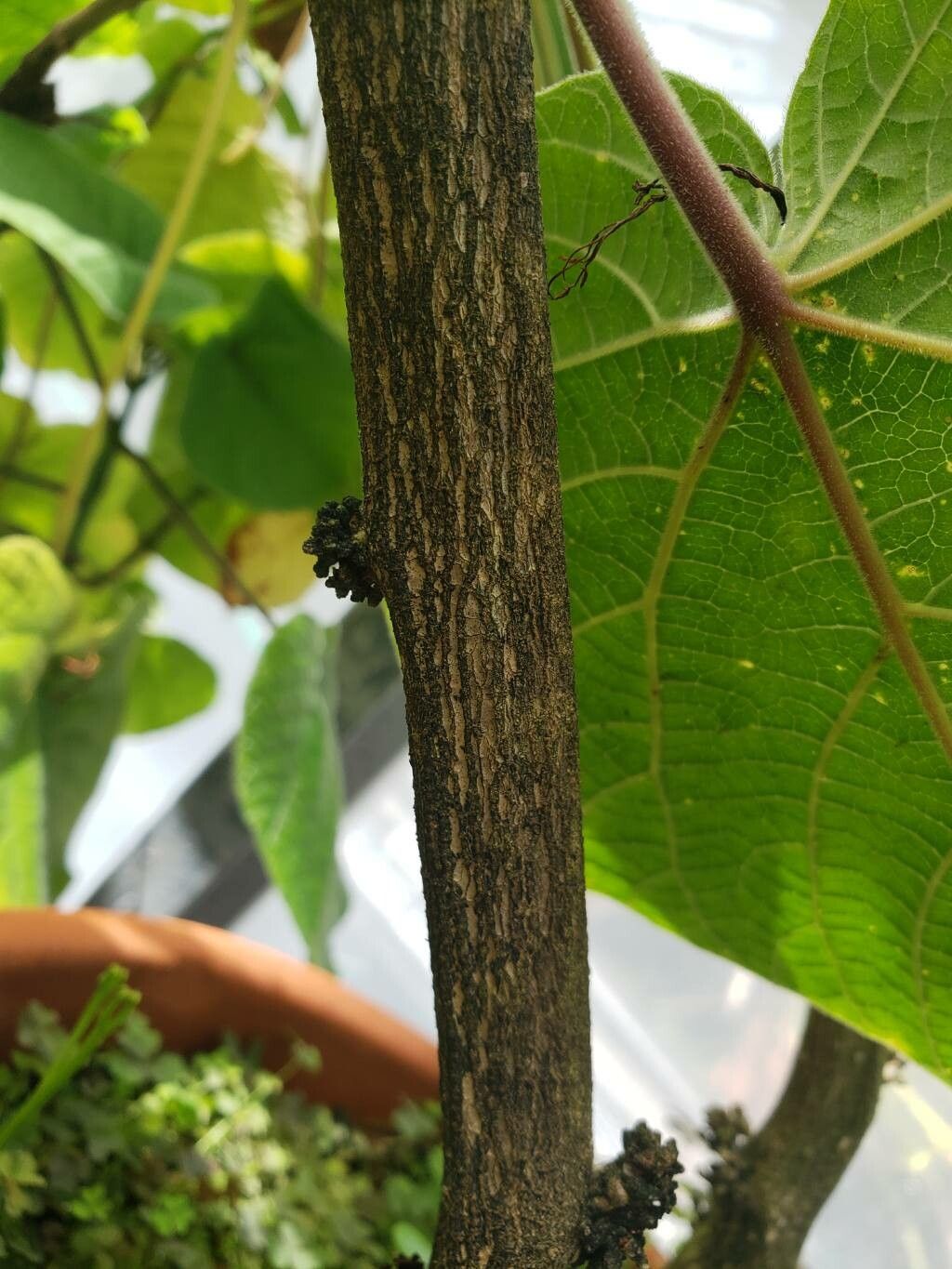
How to Propagate Argyreia nervosa

Propagating Hawaiian Baby Woodrose: A Gardener’s Guide to Argyreia nervosa

Argyreia nervosa, commonly known as Hawaiian Baby Woodrose, is a captivating twining vine prized for its heart-shaped, velvety leaves and stunning, trumpet-shaped flowers. Its rapid growth and striking visuals have secured its place in the hearts of many gardeners, although its potential for invasiveness in some regions necessitates responsible cultivation. However, propagating this alluring plant presents a unique set of challenges, varying significantly depending on the chosen method. Let’s explore the most common propagation techniques.

Seed Germination:

Seed germination for Argyreia nervosa is a viable, albeit sometimes unpredictable, method. The primary challenge lies in the hard seed coat, which inhibits water absorption and germination. This necessitates scarification, a process of weakening or breaking the seed coat. This can be achieved through several methods: gentle filing using sandpaper, nicking the seed coat with a sharp knife, or soaking seeds in warm water for 24-48 hours before sowing.

Practical Tips: After scarification, sow seeds individually in well-draining seed-starting mix at a depth of about twice the seed’s diameter.Maintain consistently moist (but not waterlogged) conditions and warm temperatures (around 25-30°C). High humidity can also improve germination rates. Germination can take several weeks or even months.

Rewards: Successful seed germination offers the significant reward of genetic diversity, producing plants with slight variations in leaf shape, flower color, and growth habit. This method also allows for large-scale propagation if many seeds are available.

Cuttings:

Propagating Argyreia nervosa from cuttings is a more reliable method than seed germination. Semi-hardwood cuttings, taken from the current season’s growth, are ideal.

Practical Tips: Take cuttings of about 10-15 cm, removing the lower leaves. Dip the cut end in rooting hormone to stimulate root development. Plant the cuttings in a well-draining potting mix, ensuring at least one node is buried. Maintain high humidity by covering the cuttings with a plastic bag or dome. Keep the potting mix consistently moist. Rooting typically takes several weeks.

Rewards: Cuttings offer a quicker and more reliable method of propagation, especially when compared to seed germination. The resulting plants are clones of the parent plant, preserving desirable traits.

Division:

Division is another viable method, particularly useful for established plants.

Practical Tips: Carefully dig up the mature plant, separating the root ball into smaller sections, each containing healthy roots and shoots. Plant the divisions in well-prepared soil, ensuring adequate spacing for growth. Water thoroughly after planting.

Rewards: Division offers a rapid means to increase the number of plants, preserving the characteristics of the original plant. It is a less technically demanding method than cuttings or tissue culture.

Tissue Culture:

Tissue culture offers a highly efficient and controlled propagation method.

Practical Tips: This technique requires sterile laboratory conditions and specialized knowledge. Small pieces of plant tissue are cultured in a nutrient-rich medium, inducing the formation of new plantlets. This method allows for mass production of genetically identical plants.

Rewards: Tissue culture enables the rapid production of a large number of plants from a small amount of starting material, minimizing genetic variability. However, the specialized equipment and expertise required render this method inaccessible to most home gardeners.

Conclusion:

Propagating Argyreia nervosa presents a unique blend of challenges and rewards. While seed germination offers the thrill of genetic diversity but is slow and uncertain, cuttings and division provide more reliable alternatives, albeit with less genetic variation. Tissue culture offers the possibility of mass production but demands specialized skill and resources. The satisfaction derived from successfully propagating this stunning vine is amplified by the challenges involved, underscoring the rewarding nature of nurturing life through all its complexities. For aspiring propagators, patience, attention to detail, and persistence are key ingredients for success. Remember to check local regulations on the cultivation of Argyreia nervosa before embarking on your propagation journey, as its invasive potential in some areas necessitates responsible cultivation.

How to Propagate Argyreia nervosa

Propagating Argyreia nervosa: Unveiling the Secrets of the Elephant Creeper

Argyreia nervosa, commonly known as elephant creeper, is a captivating twining vine renowned for its large, velvety leaves and striking, bell-shaped flowers. Its vigorous growth habit and dramatic appearance make it a popular choice among gardeners, particularly those with ample space for its sprawling nature. However, successfully propagating this plant presents unique challenges due to its specific requirements. This article explores various propagation methods, outlining the successes, setbacks, and overall rewards of cultivating this captivating vine.

Seed Germination:

Seed germination for Argyreia nervosa is a viable but challenging method. The seeds possess a hard seed coat that inhibits water uptake, leading to dormancy. This necessitates pre-treatment to break dormancy.

Challenges: Low germination rates are common even with scarification or other pre-treatments. Inconsistent germination times can also be frustrating.

Practical Tips: Scarification (scoring the seed coat with sandpaper or nicking it with a knife) followed by soaking in warm water for 24-48 hours before sowing is often recommended. Seeds should be sown in a well-draining seed starting mix, kept moist but not waterlogged, and maintained at warm temperatures (25-30°C). A high humidity environment can further aid germination.

Rewards: Seed propagation offers the benefit of genetic diversity, resulting in a wider range of plant variations. It also allows for large-scale propagation, ideal for commercial purposes or establishing significant numbers of plants.

Cuttings:

Propagating Argyreia nervosa from stem cuttings is a relatively successful method.

Challenges: Cuttings require a high humidity environment to prevent desiccation, and rooting can be slow. The use of rooting hormone can significantly improve success rates but is not always necessary.

Practical Tips: Take semi-hardwood cuttings (taken from mature but not woody stems) in spring or summer. Remove lower leaves to prevent rotting, and dip the cut end in rooting hormone before planting in a well-draining rooting medium (e.g., perlite or a mixture of perlite and peat moss). Keep the cuttings consistently moist and maintain high humidity (e.g., using a propagator or covering with a plastic bag).

Rewards: Cuttings provide a quicker propagation method than seeds, preserving the genetic characteristics of the parent plant.

Division:

Division of established Argyreia nervosa plants is possible but not frequently employed.

Challenges: This method disrupts the established root system and may stress the plant, potentially reducing vigor. The plant must be sufficiently large and mature for division to be feasible.

Practical Tips: The plant should be carefully dug up and its root ball divided into sections, each with sufficient roots and shoots. Replant immediately in well-draining soil and provide consistent watering to help the plant establish.

Rewards: Division allows for the rapid increase in the number of plants from a large, mature specimen.

Tissue Culture:

Tissue culture propagation is a viable but technically demanding method for Argyreia nervosa.

Challenges: Requires specialized equipment, sterile laboratory conditions, and a thorough understanding of plant tissue culture techniques. This method is typically suited for large-scale propagation and research purposes.

Practical Tips: Sterile techniques are crucial to prevent contamination. Appropriate plant growth regulators need to be employed to control growth and shoot multiplication. This method is best left to experienced tissue culture laboratories.

Rewards: Tissue culture enables the rapid propagation of large numbers of disease-free plants, ideal for commercial production and for research purposes.

Conclusion:

Propagating Argyreia nervosa, while presenting unique challenges depending on the chosen method, is ultimately a rewarding endeavor. Each method carries its own set of hurdles, from overcoming seed dormancy to mastering the art of tissue culture. However, the satisfaction of successfully nurturing a cutting into a thriving vine or witnessing the first sprout emerge from a germinated seed is immense. The inherent beauty of the elephant creeper, coupled with the perseverance required for its propagation, fosters a deep connection between the grower and the plant. Aspiring propagators should carefully consider their resources and experience level before selecting a method, starting perhaps with cuttings and patiently tackling the challenges one step at a time. The lush foliage and stunning flowers of a successfully propagated elephant creeper will serve as ample testament to the dedication and effort invested.