
Propagating the Hawaiian Baby Woodrose: A Gardener’s Guide to Argyreia nervosa (formerly setosa)
Introduction:
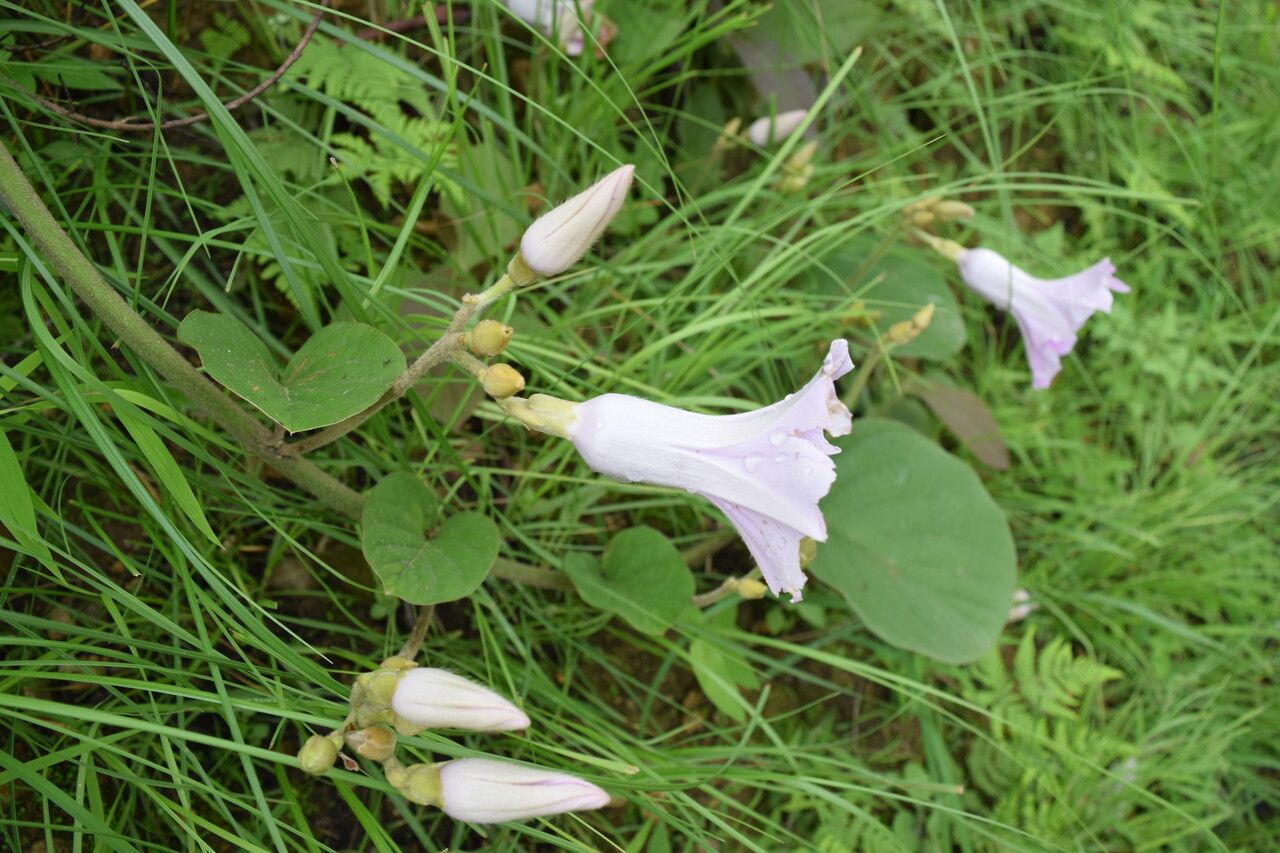
Argyreia nervosa, formerly known as Argyreia setosa, commonly called Hawaiian Baby Woodrose, is a captivating twining vine renowned for its striking, velvety heart-shaped leaves and beautiful, trumpet-shaped flowers. Its ornamental value makes it a popular choice among gardeners, while its seeds, containing ergoline alkaloids, have unfortunately led to its misuse. However, this article focuses solely on the horticultural propagation of the plant. Its vigorous growth and relatively easy propagation make it a rewarding, albeit sometimes challenging, plant to cultivate. However, it’s crucial to note that responsible cultivation and awareness of its potential misuse are vital. Always adhere to local laws regarding the cultivation and possession of Argyreia nervosa.
Seed Germination:
Seed germination is a viable method for propagating Argyreia nervosa. However, it presents several challenges. The hard seed coat requires scarification to improve germination rates. This can be achieved through mechanical methods (scoring the seed coat with a file or sandpaper) or chemical methods (soaking in concentrated sulfuric acid for a short period – use extreme caution with this method). Another challenge is the inherent dormancy of the seeds. Stratification (a period of cold, moist storage) can significantly enhance germination. Soak the scarified seeds in warm water for 24 hours before sowing in a well-draining seed-starting mix. Keep the mix consistently moist but not soggy, and maintain a temperature around 25°C (77°F). Germination can take several weeks, even months, underscoring the patience required.
Rewards: Seed germination offers the advantage of generating genetic diversity within your plants, resulting in unique variations. It is also a cost-effective method for large-scale propagation.
Cuttings:
Propagation through cuttings is also possible with Argyreia nervosa. Semi-hardwood cuttings, taken from the current season’s growth in late spring or early summer, are often the most successful. Cuttings should be approximately 10-15cm long, with several nodes. Remove lower leaves to prevent rot and dip the cut end in rooting hormone before planting in a well-draining potting mix. High humidity, provided by a propagator or plastic bag, is highly beneficial. Rooting can take several weeks.
Challenges: The success rate of cuttings can be variable, and consistent humidity and warmth are essential for optimal rooting. Softwood cuttings are less likely to succeed.
Rewards: This method is relatively quick compared to seed germination and maintains the characteristics of the parent plant.
Division:
Division is a viable method for established plants. During the dormant season (fall/winter), carefully dig up the mature plant and gently separate the root ball into multiple sections, each containing healthy roots and shoots. Replant the divisions immediately, ensuring proper watering and providing support for the vines as they grow.
Challenges: Division may not always be successful, and it can be stressful on the plant, potentially leading to reduced vigor, or even death.
Rewards: Division provides a rapid way to multiply existing plants and is gentler than other options when dealing with a mature plant.
Tissue Culture:
While not commonly practiced by home gardeners, tissue culture is a highly effective technique for large-scale propagation and disease elimination. This method involves growing plant tissues in a sterile environment, using specialized nutrient media. This is best left to laboratories or nurseries with the necessary equipment and expertise.
Challenges Tissue culture requires specialized equipment, a clean working environment, and training to master proper sterile techniques. It is expensive and resource intensive.
Rewards: Tissue culture enables large scale propagation, disease-free plantlets and genetic preservation.
Conclusion:
Propagating Argyreia nervosa offers its own set of rewarding challenges based on the chosen method. Seed germination offers diversity but demands patience; cuttings are faster but with variable success rates; division is quick but potentially stressful to the mother plant; and tissue culture, though efficient, requires specialized skills and equipment. Regardless of the method chosen, successful propagation of this stunning vine is a testament to the gardener’s dedication and provides immense satisfaction. The unique beauty of the Hawaiian Baby Woodrose, coupled with the challenges of its propagation, makes nurturing these plants a truly fulfilling endeavor. Remember to always practice responsible gardening and be mindful of local regulations.