
Propagating the Moroccan Broom: A Gardener’s Guide to Argyrocytisus battandieri
Introduction:
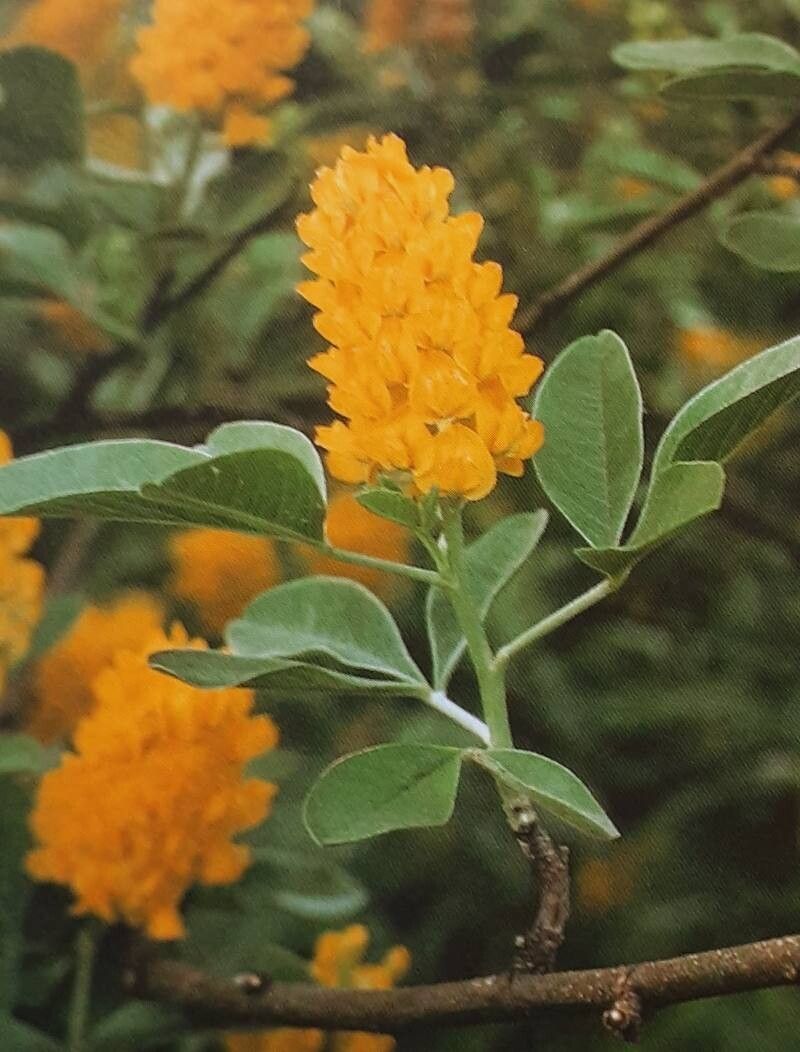
Argyrocytisus battandieri, commonly known as Moroccan broom, is a striking evergreen shrub prized for its silvery-grey foliage and vibrant yellow flowers. Native to the Atlas Mountains of Morocco, this drought-tolerant beauty adds a unique textural element to any garden. Its popularity stems from its relatively low maintenance and its ability to thrive in well-drained, sunny conditions. However, propagation can present certain challenges, making successful cultivation all the more rewarding. While less commonly encountered than other brooms, its distinct aesthetic merits the effort involved in its propagation.
Seed Germination:
Currently, there are no known reliable methods for seed germination propagation of Argyrocytisus battandieri. While seeds may be produced, their germination rate is notoriously low, and success requires highly specialized conditions rarely achievable in home settings.
Cuttings:
Cuttings represent a more viable method for propagating Moroccan broom.
Challenges: The success rate of cuttings can be variable. The woody nature of Argyrocytisus battandieri can make rooting difficult, and the plant is susceptible to fungal infections during the rooting process.
Practical Tips: Semi-hardwood cuttings taken in late summer or early autumn generally yield the best results. Cuttings should be approximately 4-6 inches long, taken from non-flowering shoots. The lower leaves should be removed, and the cut ends dipped in rooting hormone before planting in a well-draining propagation mix (e.g., perlite and peat moss). High humidity is crucial; using a propagator or enclosing the cuttings in a plastic bag can significantly improve success. Consistent warmth (around 20-24°C) is also essential.
Rewards: Cuttings offer a relatively quick way to produce genetically identical plants, preserving desirable traits from a parent plant.
Division:
Division is not a practical method for propagating Argyrocytisus battandieri. This shrub doesn’t readily produce easily separable root systems suitable for division.
Tissue Culture:
Tissue culture offers the potential for large-scale propagation of Argyrocytisus battandieri, overcoming the limitations of other methods.
Challenges: Tissue culture requires specialized equipment, sterile conditions, and expertise in plant tissue culture techniques. It is a more expensive and technically demanding method than cuttings.
Practical Tips: Successful tissue culture relies on the use of appropriate growth media, hormones, and sterile techniques to prevent contamination. A plant tissue culture laboratory is essential for this method.
Rewards: Tissue culture enables rapid and mass production of genetically identical plants, making it ideal for commercial propagation or obtaining large quantities of plants with specific desirable characteristics.
Conclusion:
Propagating Argyrocytisus battandieri presents a unique set of challenges, with cuttings offering the most accessible method for home gardeners. While seed propagation is unreliable, and division is impractical, tissue culture provides a high-yield alternative though it requires specialized resources. The difficulties involved only enhance the satisfaction of successfully cultivating this beautiful shrub. The silvery foliage and cheerful yellow blooms are a testament to the gardener’s patience and dedication. Whether pursuing cuttings or exploring the possibilities of tissue culture, aspiring propagators should maintain patience, carefully follow the recommended techniques, and appreciate the journey towards achieving success with this captivating plant. The unique rewards of cultivating this distinctive shrub will far outweigh the challenges, leaving you with a stunning addition to your garden.