
Unveiling the Secrets of Pampa Grass Propagation: A Step-by-Step Guide
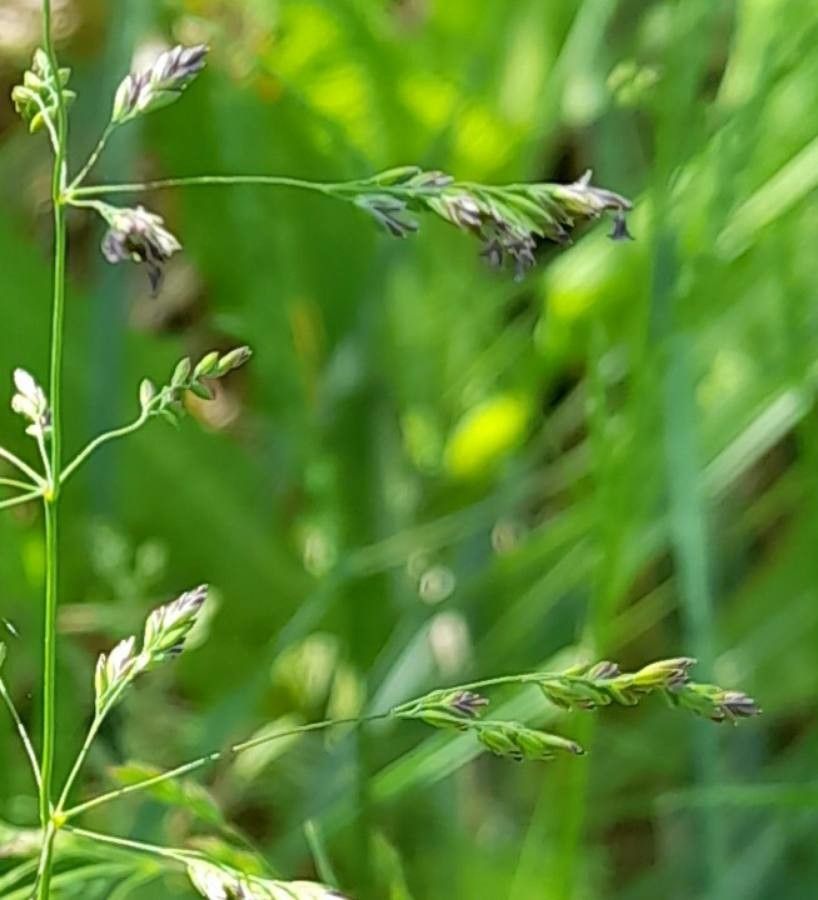
Pampa grass (Cortaderia selloana), often misidentified as “Poa bonariensis”, is a showstopper in any landscape. Its towering plumes and graceful foliage lend a touch of drama and elegance to gardens large and small. If you’re already enchanted by this architectural beauty and want to expand its presence in your yard, you’re in luck! Propagating pampas grass is achievable for gardeners of all levels, and we’re here to guide you through the process.
Understanding Your Options: Division or Seed?
1. Division: The Go-To Method
For established clumps of pampas grass, division reigns supreme. It’s the simplest and most reliable way to create new plants. Here’s a breakdown:
- Timing is Key: Early spring, just as new growth emerges, is the ideal time. The soil should be workable, but not waterlogged.
- Gearing Up: Gather your tools: a sharp spade or garden fork, gloves (pampas grass leaves can be sharp!), and a bucket of water to keep the roots hydrated.
- Let’s Divide!
- Water the clump thoroughly a day or two before dividing.
- Carefully dig around the perimeter of the clump you want to divide, loosening the soil.
- Gently lift the entire clump, or a sizeable portion, out of the ground.
- Using your spade or fork, carefully separate the clump into smaller sections, each containing a healthy amount of roots and shoots.
- Replant immediately in prepared holes that are the same depth as the original planting. Water well.
2. Seed Starting: A Test of Patience
While possible, propagating pampas grass from seed requires more time and effort. However, it can be a rewarding experience for those up to the challenge.
- Timing Again: Start seeds indoors 6-8 weeks before the last frost date in your region.
- Gather Your Supplies: Seed starting mix, small pots or trays, water, plastic wrap, and a warm, bright location.
- Sowing the Seeds:
- Fill your pots with seed starting mix and moisten lightly.
- Sprinkle a few seeds per pot, lightly pressing them onto the surface.
- Mist with water and cover the pots with plastic wrap to create a humid environment.
- Place in a warm, bright location out of direct sunlight.
- Transplanting: Once seedlings are several inches tall and all danger of frost has passed, harden them off gradually and transplant outdoors.
Caring for Your New Pampas Grass
Whether you choose division or seed starting, proper care is crucial for your new plants to thrive:
- Sunlight and Soil: Pampas grass thrives in full sun (at least 6 hours daily) and well-drained soil.
- Watering Wisely: While establishing, water regularly to keep the soil consistently moist. Once established, pampas grass is relatively drought tolerant.
- Fertilizing for Success: A balanced fertilizer applied in spring will promote healthy growth.
Enjoying the Graceful Rewards
Propagating your own pampas grass allows you to multiply the splendor of this stunning plant throughout your garden. With a little effort and patience, you can enjoy the architectural beauty and swaying plumes of pampas grass for years to come.