
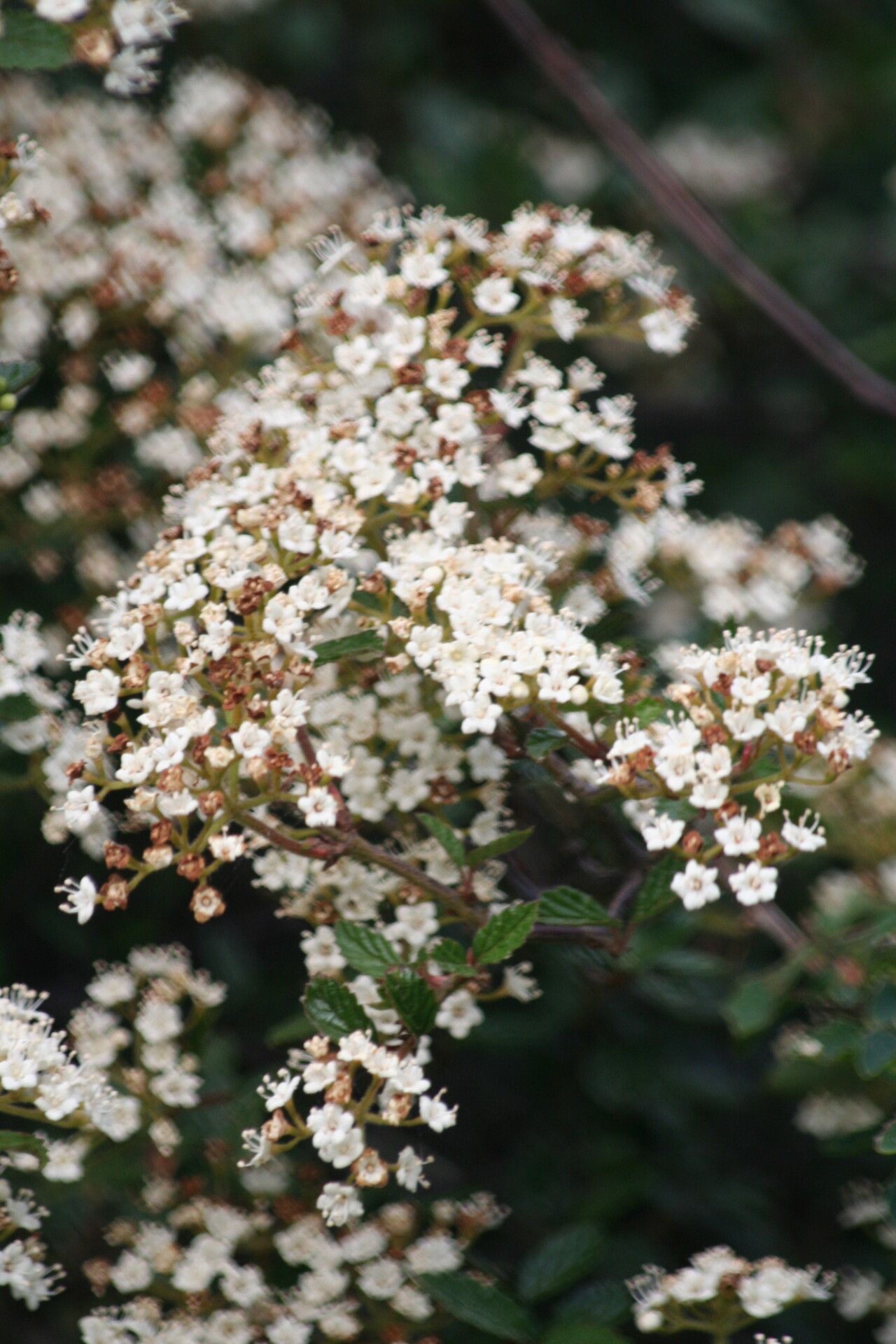
Multiply Your Green Thumb’s Reward: Propagating the Charming Viburnum parvifolium
Want to add a touch of woodland elegance to your garden without breaking the bank? Look no further than the Viburnum parvifolium, also known as the Small-leaved Viburnum. This adaptable shrub offers delicate blooms, vibrant fall foliage, and a graceful growth habit that can elevate any landscape. And the best part? Propagating Viburnum parvifolium is surprisingly easy, even for beginner gardeners!
Understanding the Basics
Before diving into the how-to, it’s helpful to understand the “why” behind propagation. In essence, you’re creating clones of your existing Viburnum parvifolium, taking advantage of its natural ability to regenerate. This means you can enjoy more of this lovely shrub in your garden or share the joy with friends and neighbors.
Propagation Techniques for Viburnum parvifolium
There are two primary methods for propagating Viburnum parvifolium:
1. Softwood Cuttings: This technique involves taking stem cuttings during the plant’s active growing season, typically in late spring or early summer.
- What you’ll need: Sharp pruning shears, rooting hormone (optional but recommended), well-draining potting mix, small pots or a seed tray, and a plastic bag or humidity dome.
- Steps:
- Select healthy, non-flowering stems, about 4-6 inches long.
- Remove the lower leaves, leaving only a few at the top.
- Dip the cut end in rooting hormone (optional).
- Plant the cuttings in the prepared potting mix.
- Water thoroughly and cover with a plastic bag or humidity dome.
- Place in a bright location but out of direct sunlight.
- Keep the soil consistently moist but not waterlogged.
- Roots should form in 4-6 weeks. Once established, you can transplant the cuttings into individual pots or directly into your garden.
2. Layering: This method takes advantage of the Viburnum parvifolium’s natural tendency to root where stems touch the ground.
- What you’ll need: Sharp knife or pruners, trowel, and garden staples (optional).
- Steps:
- Choose a flexible, low-growing branch.
- Make a small wound on the underside of the branch.
- Bend the branch down and bury the wounded portion in the soil, leaving the tip exposed.
- Use a garden staple (optional) to secure the branch.
- Keep the soil consistently moist.
- Roots should develop in a few months. Once established, carefully sever the layered branch from the parent plant and transplant it.
Tips for Success:
- Choose healthy parent plants for cuttings or layering.
- Use sterile tools and potting mix to prevent fungal diseases.
- Provide consistent moisture without overwatering.
- Be patient! Propagation takes time, so don’t be discouraged if results aren’t immediate.
By following these simple steps, you can easily propagate your Viburnum parvifolium and enjoy its charm for years to come. So go ahead, get your hands dirty, and multiply the beauty in your garden!