
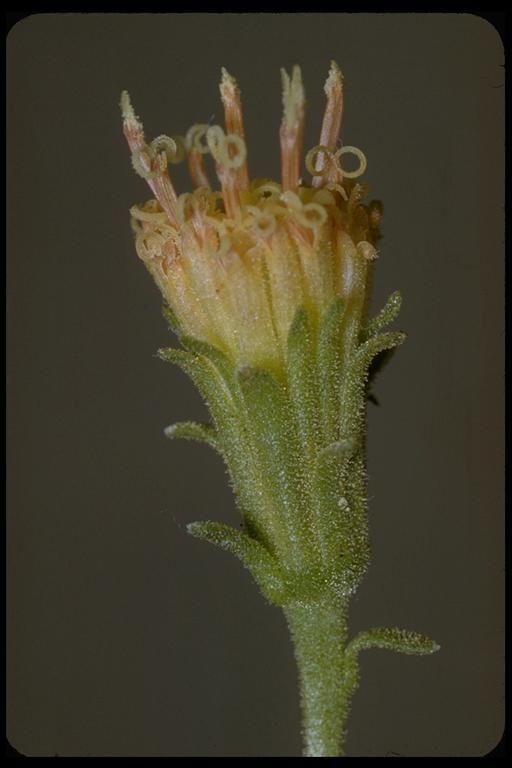
Taming the Wild Beauty: Propagation Techniques for Nevada Pincushion (Chaenactis nevadensis)
The Nevada Pincushion (Chaenactis nevadensis) is a captivating wildflower native to the western United States. Its delicate, fern-like foliage provides a stunning backdrop for the cheerful, pincushion-like blooms that burst forth in vibrant hues of pink and white. While commonly found gracing meadows and hillsides, wouldn’t it be wonderful to invite this charming wildflower into your own garden?
While cultivating wildflowers can sometimes seem daunting, propagating Nevada Pincushion is surprisingly achievable. This guide will equip you with the knowledge to successfully grow this enchanting plant, adding a touch of wild beauty to your backyard.
Two Paths to Propagation:
Nevada Pincushion can be propagated through two primary methods: seeds and cuttings. Each method offers its own set of advantages and considerations:
1. Starting from Seeds: A Rewarding Journey
Growing Nevada Pincushion from seed offers a deeply satisfying experience and allows you to witness the plant’s entire life cycle. Here’s how to embark on this rewarding journey:
- Seed Collection: Collect seeds from mature flower heads in late summer or early fall. Look for dry, brown seed heads ready to disperse their bounty.
- Cold Stratification: Nevada Pincushion seeds benefit from cold stratification, mimicking the natural winter conditions they experience. Place the seeds in a sealed bag with slightly damp sand or vermiculite and store them in your refrigerator (around 40°F) for 6-8 weeks.
- Sowing: In the spring, after the last frost, sow the seeds in a well-draining seed starting mix. Sprinkle them lightly on the surface and cover them with a thin layer (about 1/8 inch) of the mix.
- Patience and Care: Keep the soil consistently moist but not waterlogged. Be patient, as germination can take a few weeks.
- Transplanting Triumph: Once the seedlings have developed a few sets of true leaves, they are ready to be transplanted outdoors into their permanent location.
2. Propagation through Cuttings: A Faster Approach
For a quicker route to established plants, propagating through basal cuttings is an effective method:
- Timing is Key: Take cuttings in the spring just as new growth begins to emerge.
- Cut with Care: Using a clean, sharp knife or pair of scissors, take cuttings about 3-4 inches long from the base of the plant. Remove the lower leaves from the cutting, leaving a few at the top.
- Rooting Hormone (Optional): While not strictly necessary, dipping the cut end in rooting hormone can encourage faster and more successful rooting.
- Creating the Right Environment: Plant the cuttings in a well-draining potting mix. Maintain consistent moisture and humidity, covering the pot with a plastic bag to create a mini greenhouse effect.
- Signs of Success: New growth is a joyous sign that your cuttings have successfully rooted! Once the cuttings are established, you can harden them off and transplant them to their permanent location.
Welcoming Nevada Pincushion to Your Garden:
Nevada Pincushion thrives in full sun to partial shade and well-drained soil. Water regularly, especially during dry spells, but avoid overwatering. Once established, this resilient wildflower is relatively low-maintenance, bringing a burst of color and charm year after year.
By following these propagation techniques, you can cultivate the enchanting Nevada Pincushion in your own backyard. Not only will you enjoy the beauty of this remarkable wildflower, but you’ll also play a role in preserving its presence for generations to come.