
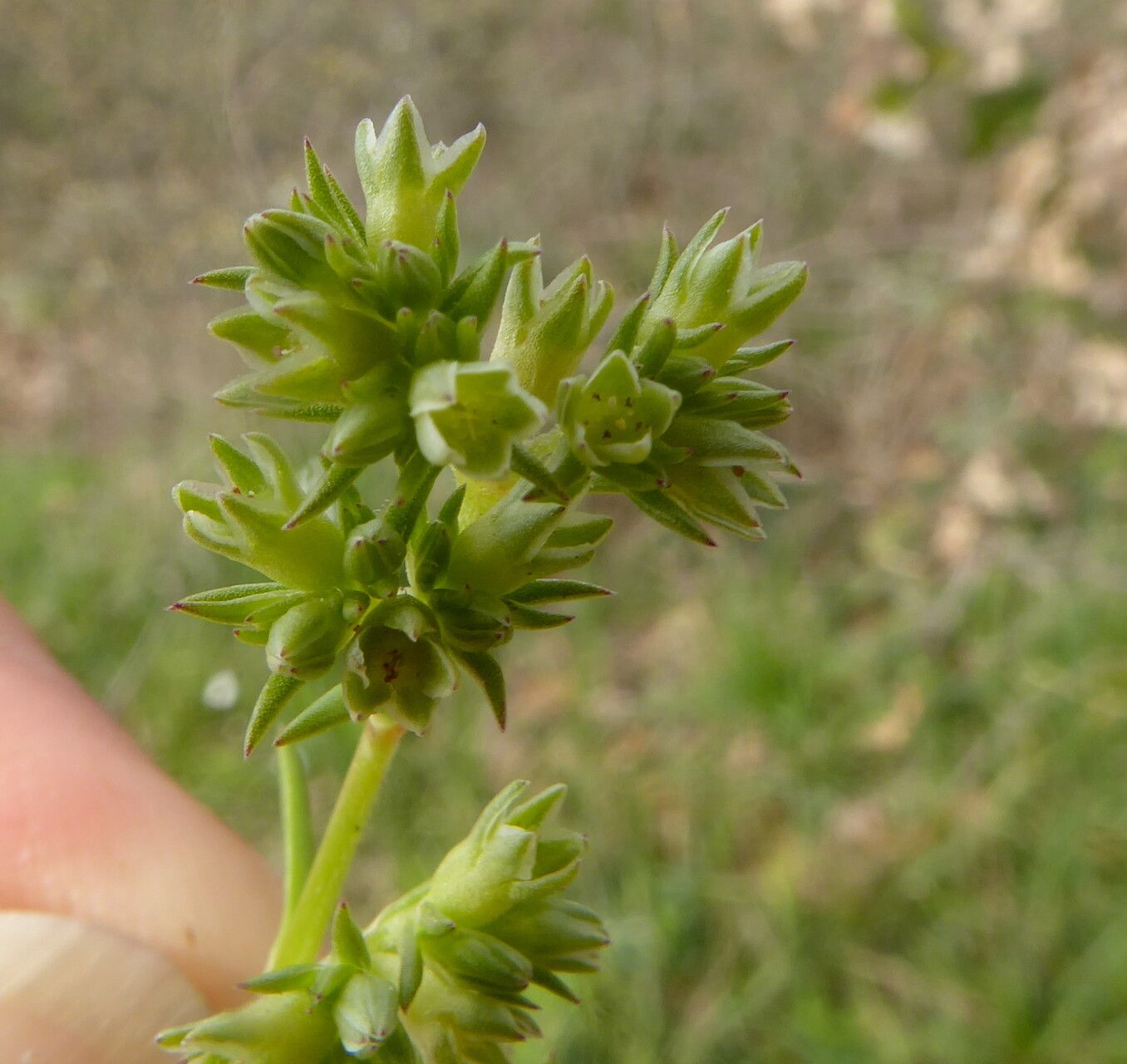
Taming the Knawel: A Guide to Propagating Scleranthus Annuus
Scleranthus annuus, more commonly known as Knawel, might not roll off the tongue as easily as “rose” or “tulip,” but this unassuming little plant offers a unique charm and surprising versatility. Whether you’re a seasoned gardener or just starting out, understanding how to propagate Knawel can add a touch of wildflower whimsy to your green space.
Understanding the Knawel
Before we dive into propagation, let’s get acquainted with our subject. Scleranthus annuus is an annual plant native to Europe and parts of Asia. This low-growing, mat-forming species boasts slender, needle-like leaves and inconspicuous green flowers that bloom from late spring to early fall.
Knawel thrives in dry, sandy soils and prefers full sun to partial shade. Its resilient nature makes it an excellent choice for rock gardens, borders, and even green roofs. Plus, it’s known to attract beneficial insects, making it a welcome addition to any pollinator-friendly garden.
Two Paths to Propagation: Seeds & Division
The good news is that propagating Scleranthus annuus is relatively straightforward. You have two main options: seeds and division.
1. Starting from Seed:
- Timing is Key: Sow your Knawel seeds directly outdoors after the last frost in your area. This typically falls in spring.
- Prepare the Soil: Knawel isn’t picky, but loose, well-drained soil is ideal. If your ground is heavy clay, amend it with some sand or grit to improve drainage.
- Sowing the Seeds: Scatter the seeds lightly over the soil surface. Knawel seeds need light to germinate, so avoid burying them deeply. A light raking to ensure good soil contact is enough.
- Water Gently: Keep the soil consistently moist until germination, which usually takes 1-2 weeks.
- Thinning Out: Once the seedlings emerge, thin them to about 6 inches apart to prevent overcrowding and encourage healthy growth.
2. Propagation by Division:
This method is perfect for established Knawel plants and is best done in spring or fall:
- Digging Up the Plant: Carefully lift the entire plant from the ground using a garden fork, ensuring you disturb the roots as little as possible.
- Dividing the Clump: Gently tease apart the plant into smaller sections, making sure each division has a good amount of roots attached.
- Replanting: Replant your divisions immediately in their new locations, ensuring they are at the same depth they were previously growing. Water them well after planting.
Caring for Your New Knawel Plants
Knawel is relatively low-maintenance. Here are a few tips to help your new plants thrive:
- Water sparingly: Once established, Knawel is fairly drought-tolerant. Water only when the soil feels dry to the touch.
- Fertilizer? Not necessary: Knawel doesn’t require regular fertilization. In fact, too much fertilizer can lead to excessive foliage growth and fewer blooms.
- Deadheading (optional): Deadheading spent flowers is not necessary for the plant’s health but can encourage a longer blooming period.
Enjoy Your Knawel Carpet!
With minimal effort, you can successfully propagate Scleranthus annuus and enjoy this charming, low-growing plant in your garden. Whether you choose to start from seed or divide existing plants, Knawel is sure to bring a touch of delicate beauty and resilience to your green spaces.