
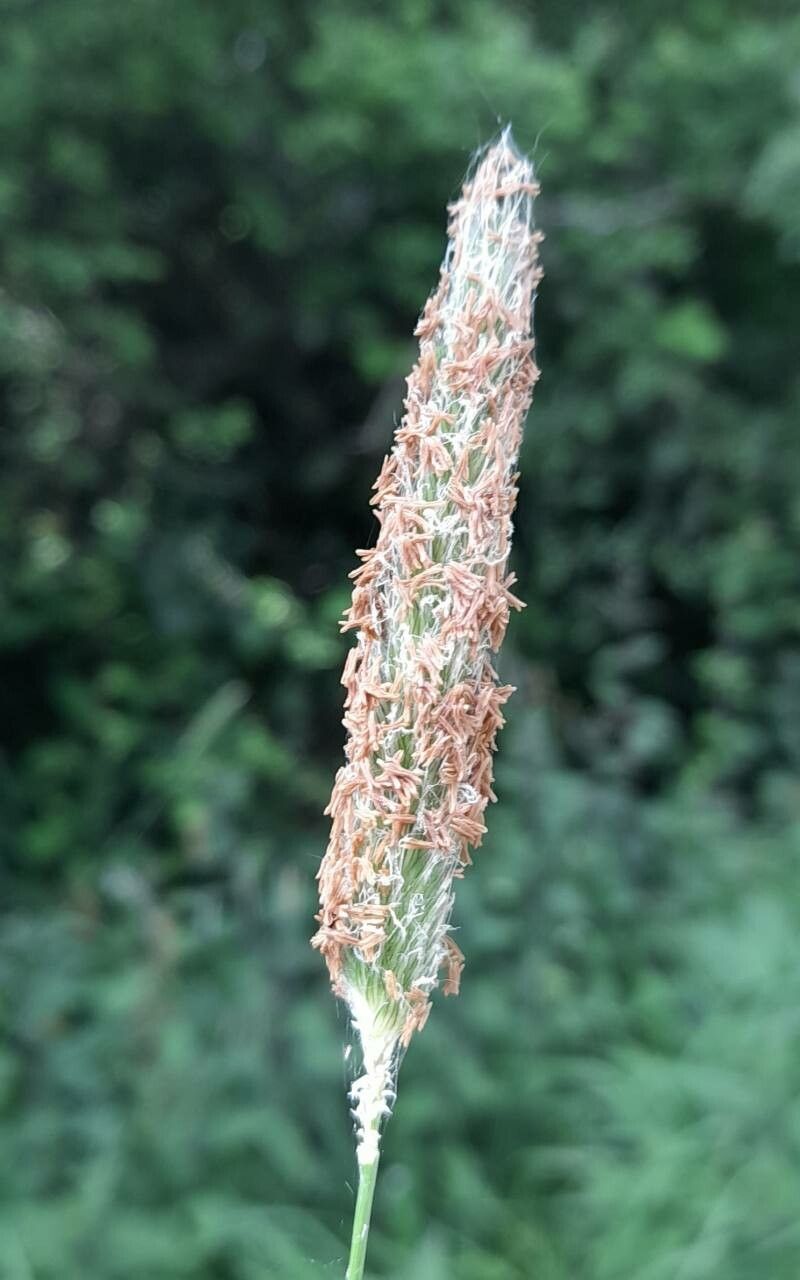
Multiply Your Meadow Magic: Propagating Foxtail Grass (Alopecurus pratensis)
Foxtail grass, also known as Alopecurus pratensis, is a graceful ornamental grass celebrated for its soft, fluffy flower plumes that sway enchantingly in the breeze. While readily available at garden centers, propagating your own foxtail grass is a rewarding experience that provides you with more of these beautiful plants for free.
This comprehensive guide walks you through the two most effective propagation methods for Alopecurus pratensis:
Method 1: Division
Division is the easiest and fastest way to propagate foxtail grass, and the optimal time to do so is early spring or fall.
Here’s what you need to do:
- Choose a healthy clump: Select a well-established clump of foxtail grass that’s at least 3 years old.
- Divide the clump: Carefully dig around the base of the plant, loosening the soil with a garden fork. Gently lift the entire clump from the ground, shaking off any excess soil. Using a sharp knife or spade, divide the plant into smaller sections, ensuring each section has a healthy amount of roots and shoots attached.
- Replant the divisions: Choose a sunny or partially shaded location with well-drained soil. Plant the divided sections at the same depth they were growing originally, spacing them 1 to 2 feet apart. Water thoroughly after planting.
Method 2: Seeds
Propagating foxtail grass from seed requires more patience but can be a rewarding experience. The best time to sow seeds is in the spring or fall.
Here’s the process:
- Collect mature seeds: Allow the foxtail grass flower plumes to dry completely on the plant. Once dry, gently collect the seeds by rubbing your hand along the plume.
- Sow the seeds: Fill a seed tray with a seed-starting mix and dampen it evenly. Sprinkle the seeds on the surface of the mix and lightly press them in without burying them.
- Provide optimal conditions: Cover the tray with a clear plastic dome or wrap to maintain humidity. Place the tray in a bright location, out of direct sunlight, and maintain a temperature of around 65-70°F (18-21°C).
- Transplant the seedlings: Germination typically takes 10 to 14 days. Once the seedlings have developed a few true leaves, they can be transplanted into individual pots or directly into the garden after hardening them off gradually.
Care and Considerations:
- Regardless of the propagation method, consistent watering is crucial for young plants, especially during dry periods.
- fertilize established plants annually with a balanced fertilizer in the spring.
- Foxtail grass is generally disease-resistant but can be susceptible to rust. Proper air circulation and avoiding overhead watering can help prevent fungal diseases.
Enjoying Your Foxtail Grass:
With proper care and attention, your propagated foxtail grass will thrive, adding movement, texture, and beauty to your garden. Use it to create borders, accentuate pathways, or as a striking focal point within a mixed planting scheme. Be warned, though – this grass has a tendency to self-seed prolifically, so be prepared for some volunteer seedlings popping up in unexpected places!